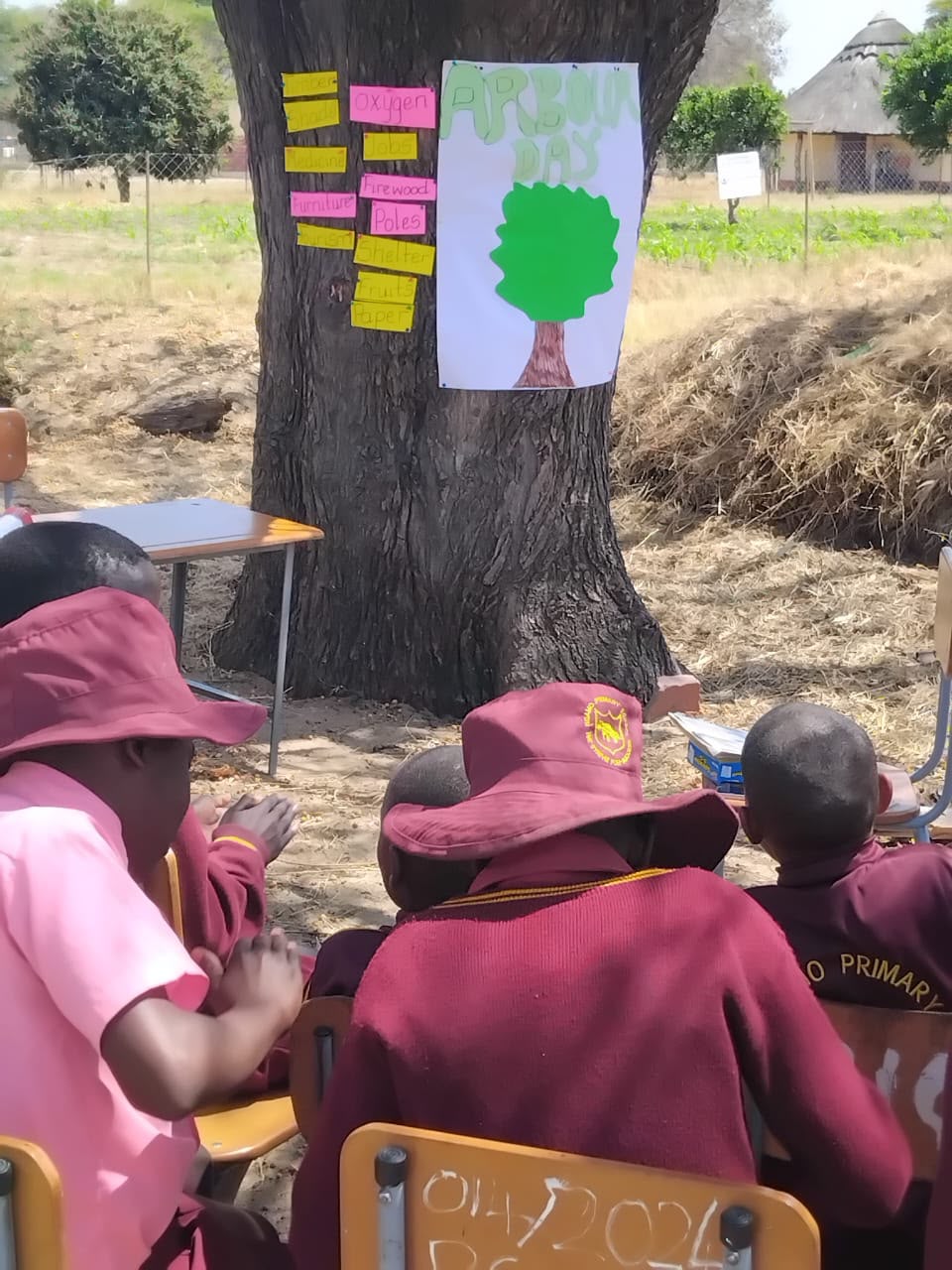
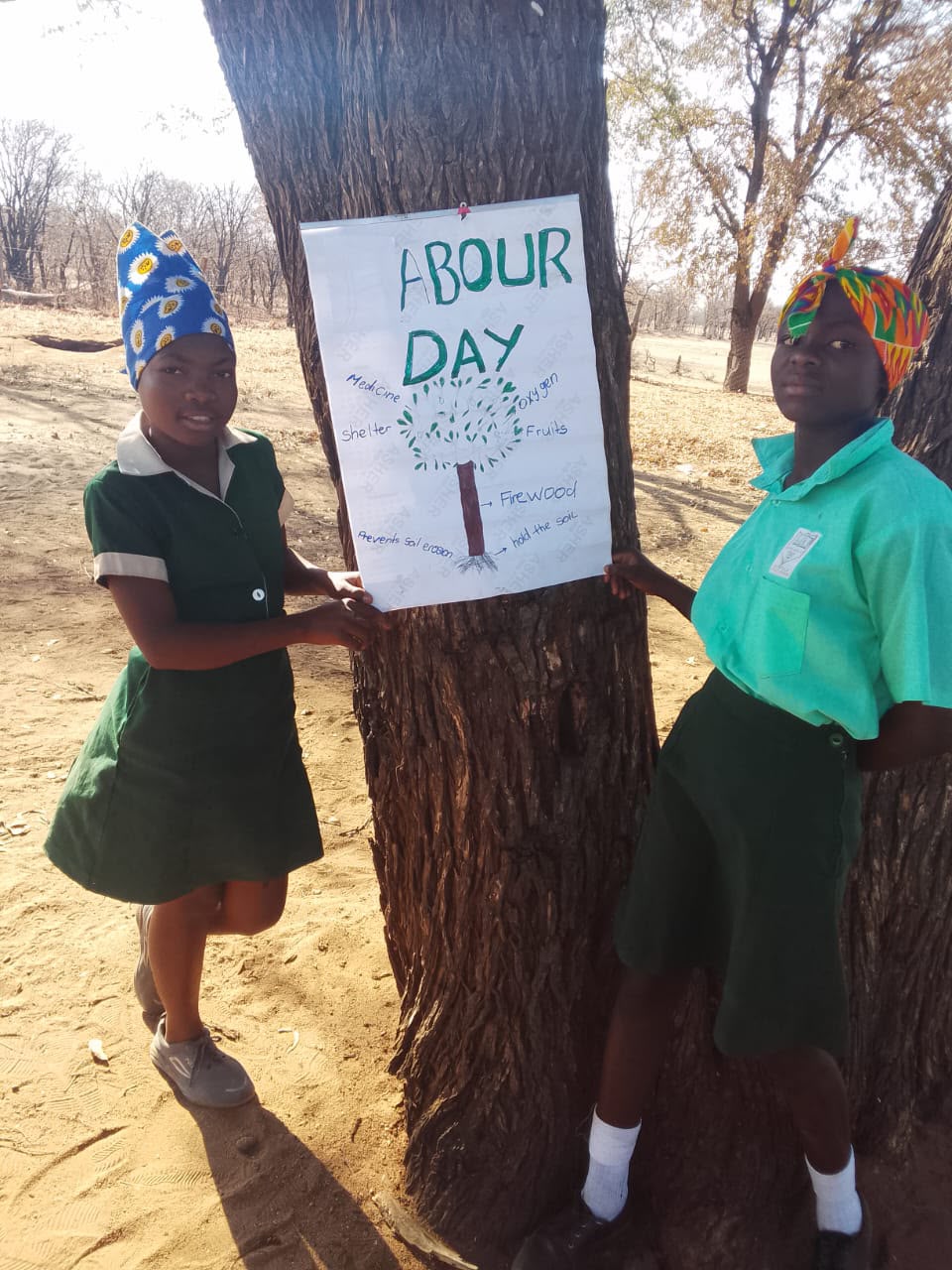
The CITW Zambezi Eco-Clubs started Term 3 in early September with an Arbour Day lesson, giving learners the opportunity to get outdoors, learn about the importance of trees and explore how they can help protect the environment around them.
The lesson began with an outdoor game that got everyone up and moving. Each learner took on the role of a tree and had to collect three strips of coloured paper from their classmates’ backs: blue for water, green for nutrients and yellow for sunlight. Once they had collected all three, they stood still with their arms raised like branches.
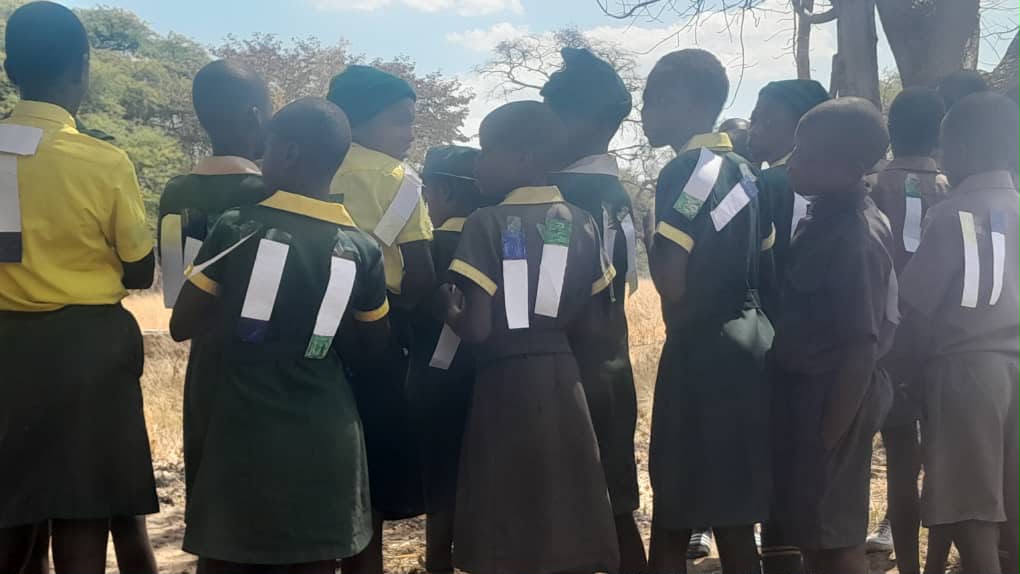
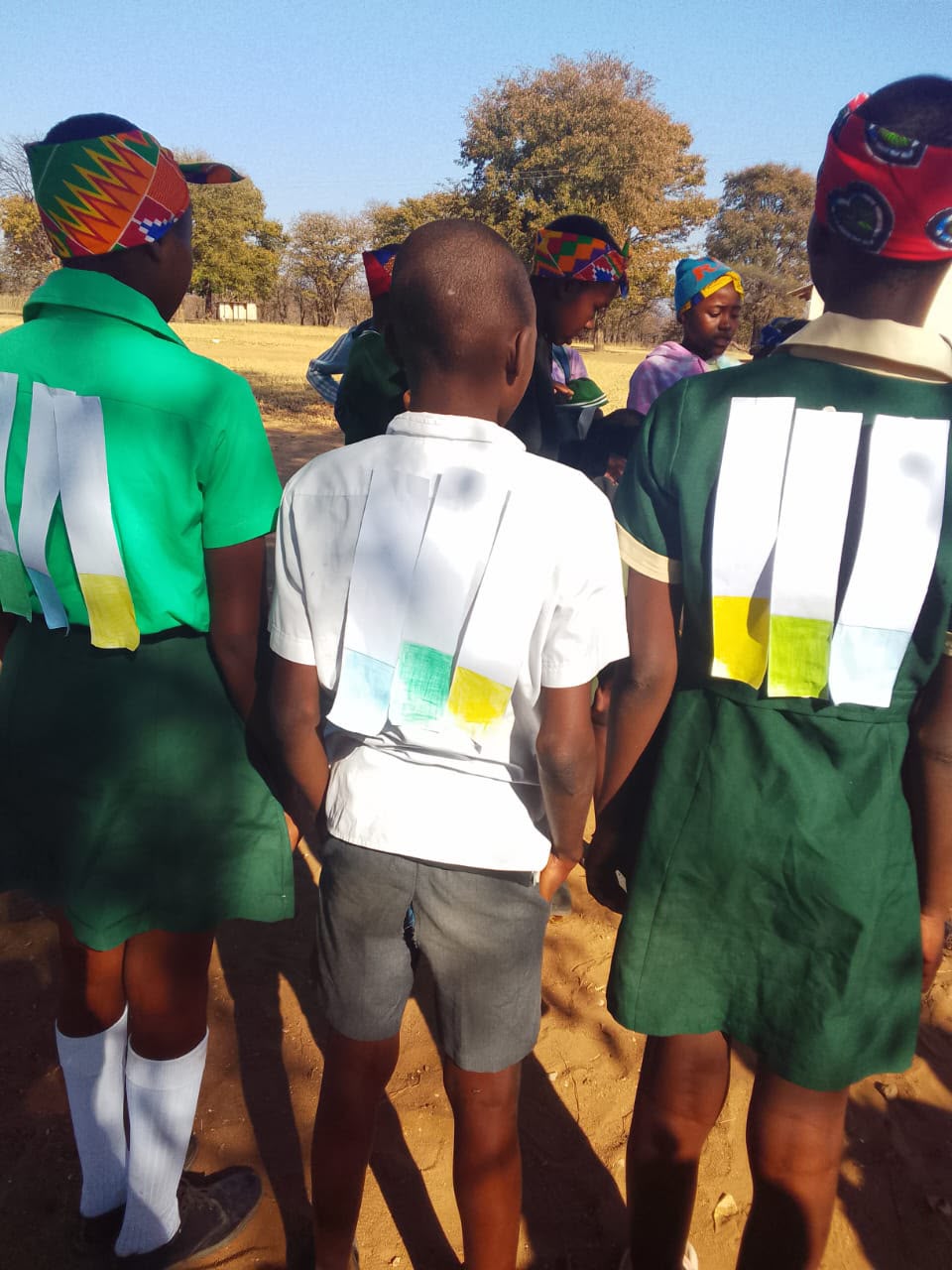
The game opened the door to a discussion about how trees depend on water, nutrients and sunlight to survive. Unlike people, trees can’t pack up and move when resources become scarce. Learners explored what happens to trees during droughts or when they become crowded out by other plants and competing land uses.
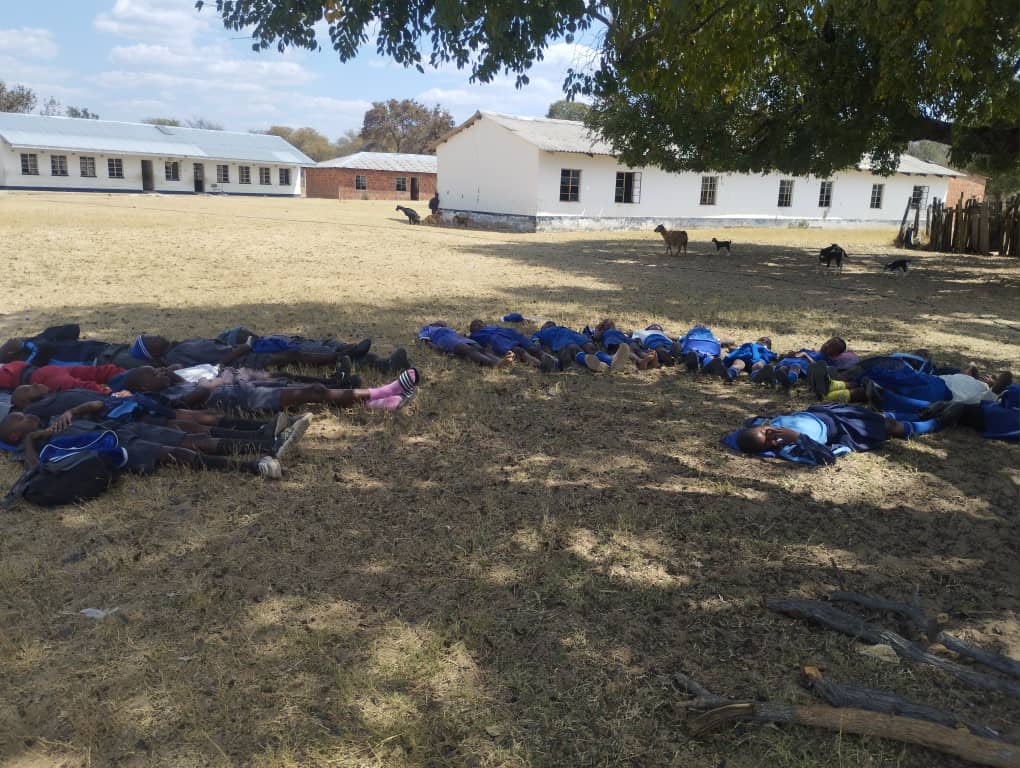
After the game, learners spent a few quiet minutes lying beneath the trees in their school grounds, looking up at the branches and listening to the sounds around them. They then shared what they had noticed, and compared what people need to survive with what trees need to grow.
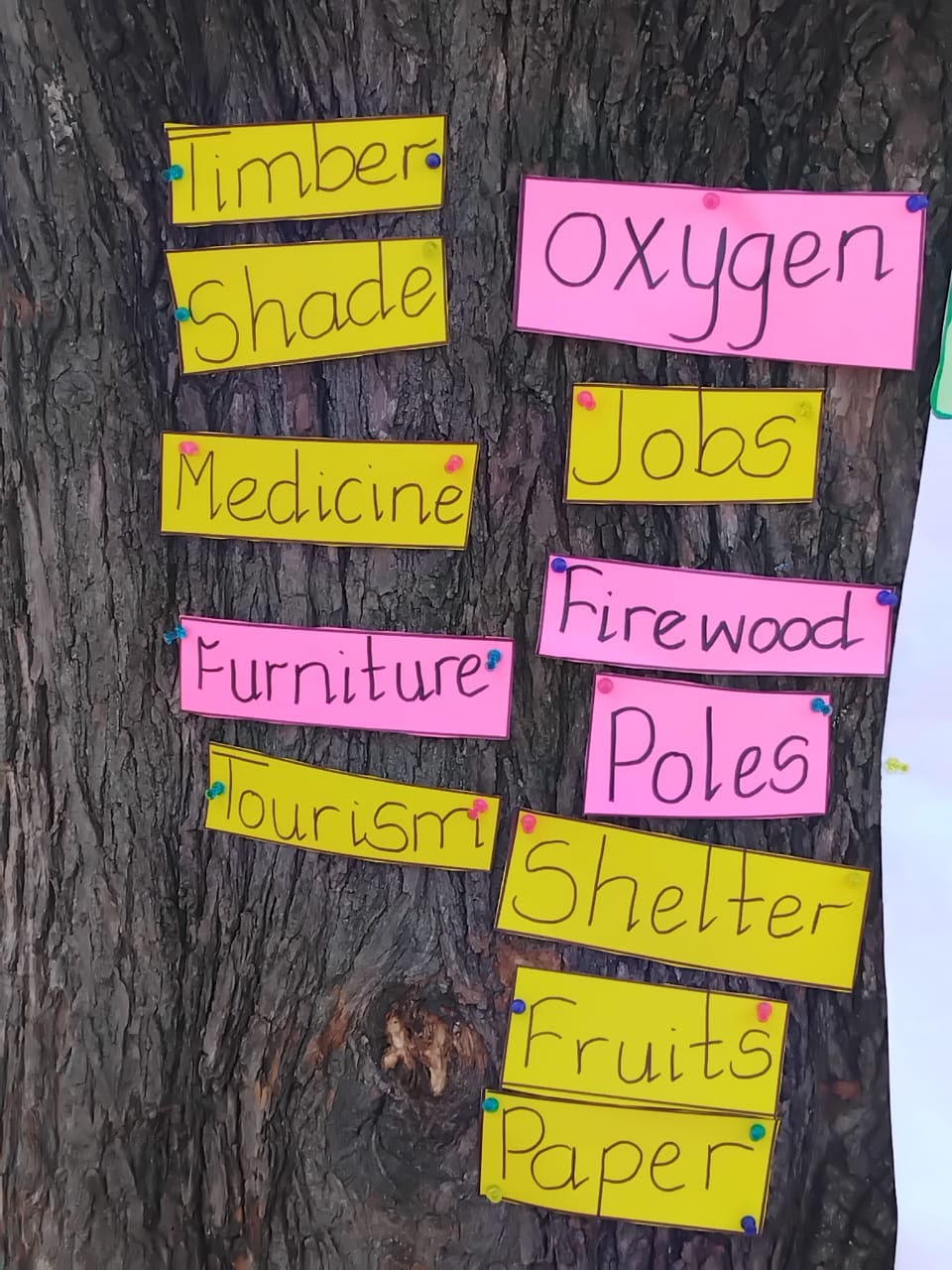
Together with their Eco-Mentors, learners explored the many ways trees support people, wildlife and the environment. The discussion also focused on the pressures facing trees, including invasive plants, land clearing for farming and construction, and the cutting of trees for firewood and charcoal. Learners shared practical ways they could help, from reusing paper and pruning branches for firewood instead of cutting down entire trees, to preventing bush fires and planting two trees for every one that is cut down.
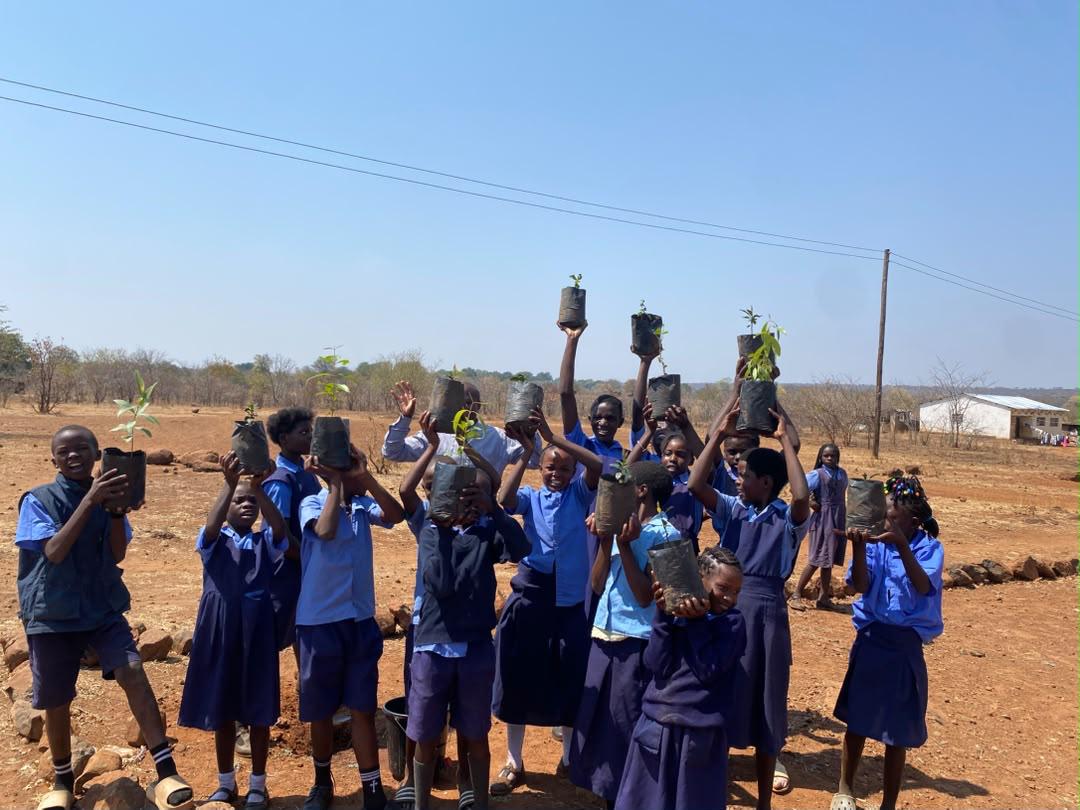
At some schools, the celebrations went a step further with tree planting activities. In Zambia, Lupani Primary and Twabuka Primary each planted 15 trees in their school grounds, with saplings donated by the Wilderness Toka Leya tree nursery. This was made possible through the support of Wilderness Zambezi, giving learners the opportunity to put their lessons into practice. Additionally, in Zimbabwe, learners at Matupula Primary in Tsholotsho, along with Mpindo and Ngamo, also took part in tree planting activities.
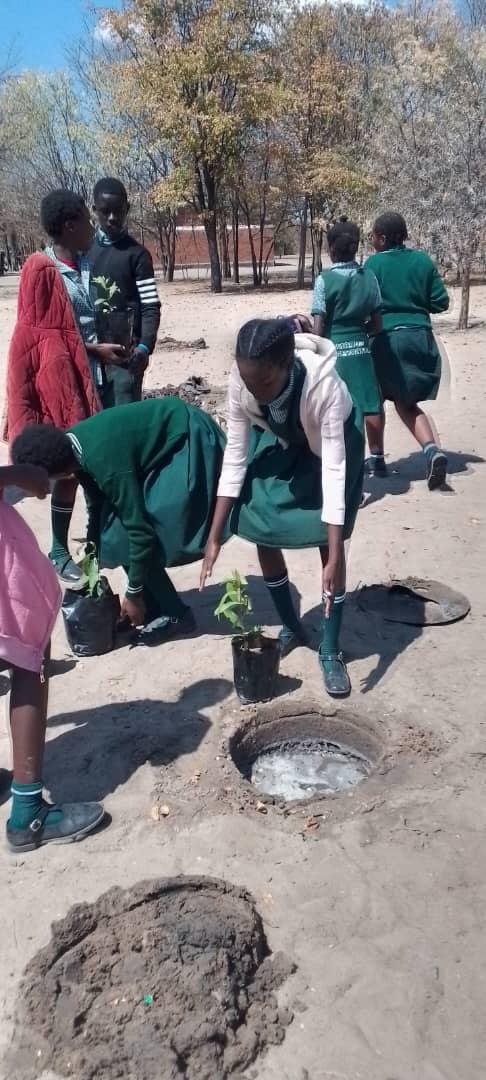

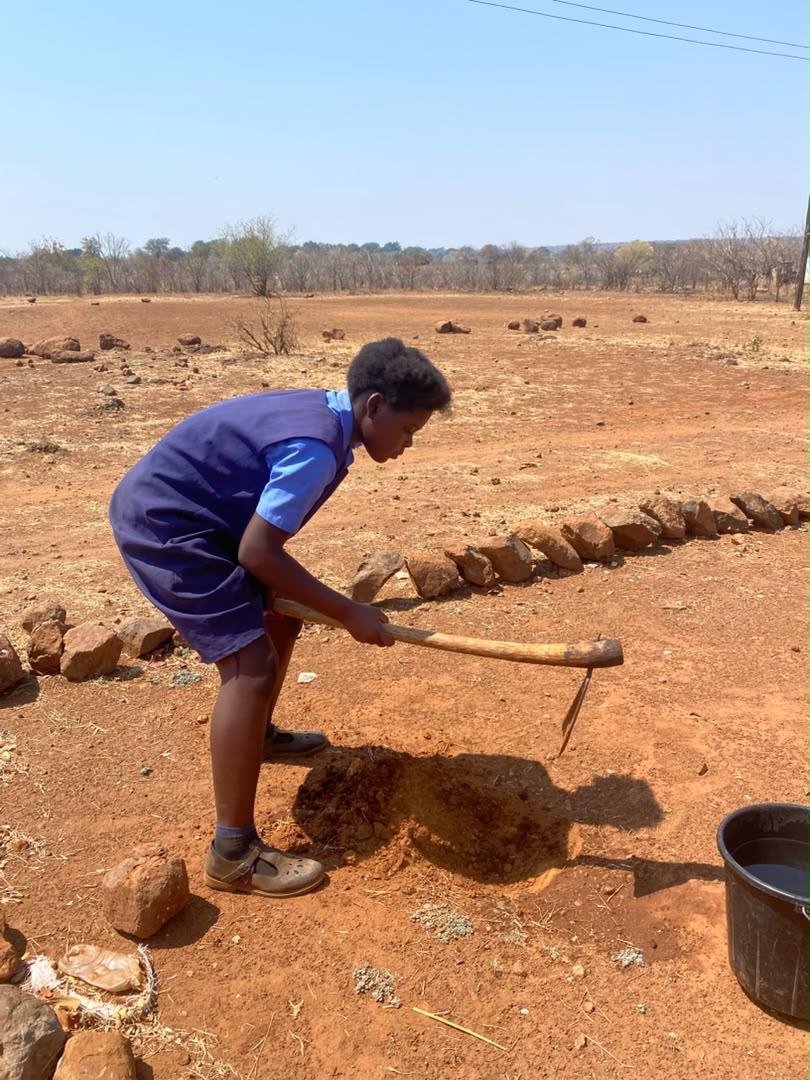
Throughout this Arbour Day lesson, learners were encouraged in a very fun and interactive way to think about the importance of protecting the trees around them and the role they can play in preventing deforestation. By giving children the knowledge and practical tools to care for their environment, we hope to nurture a lasting culture of conservation within their schools and communities.
A big thank you goes to our wonderful and dedicated Eco-Mentors for getting Term 3 off to such a positive start, and to Wilderness Zambezi and the Toka Leya team for their generous support with the tree saplings. It’s wonderful to see learners putting their knowledge into action, and we look forward to seeing these trees grow in the years to come.