Wilderness and Children in the Wilderness (CITW) Rwanda are proud to have recently hosted our annual Eco-Mentor Training at Centre d’Accueil Saint François Xavier in Rubavu District, 70 km south-west of Wilderness Bisate and Volcanoes National Park. Twenty-three Eco-Mentors joined us from eight partner schools – four primary and four secondary – coming together for four days of learning, sharing, and plenty of fun along the way.
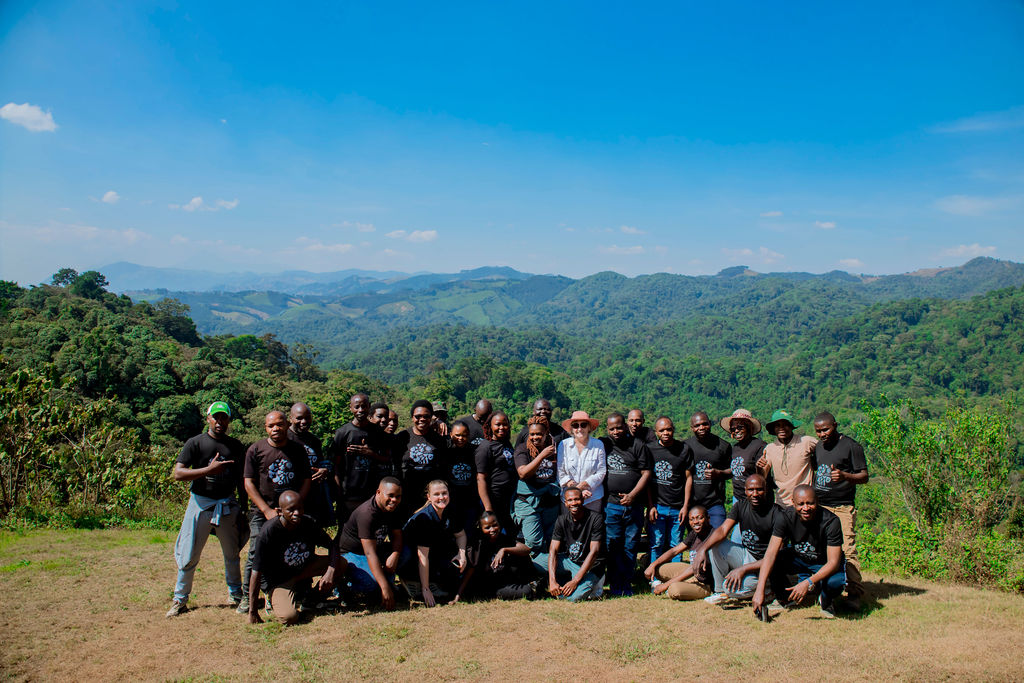
The Eco-Mentors arrived at the venue on the 25th of August 2026, and training began the following morning. Aline Umutoni, CITW and Community Manager for Wilderness Rwanda, welcomed everyone with an introduction to Wilderness and CITW, reminding the mentors about who we are, where we operate, and the camps we currently run. The training itself was led by Sue Goatley, Group CITW Co-ordinator, and Courtney Pritchard, Impact Co-ordinator from Zimbabwe.
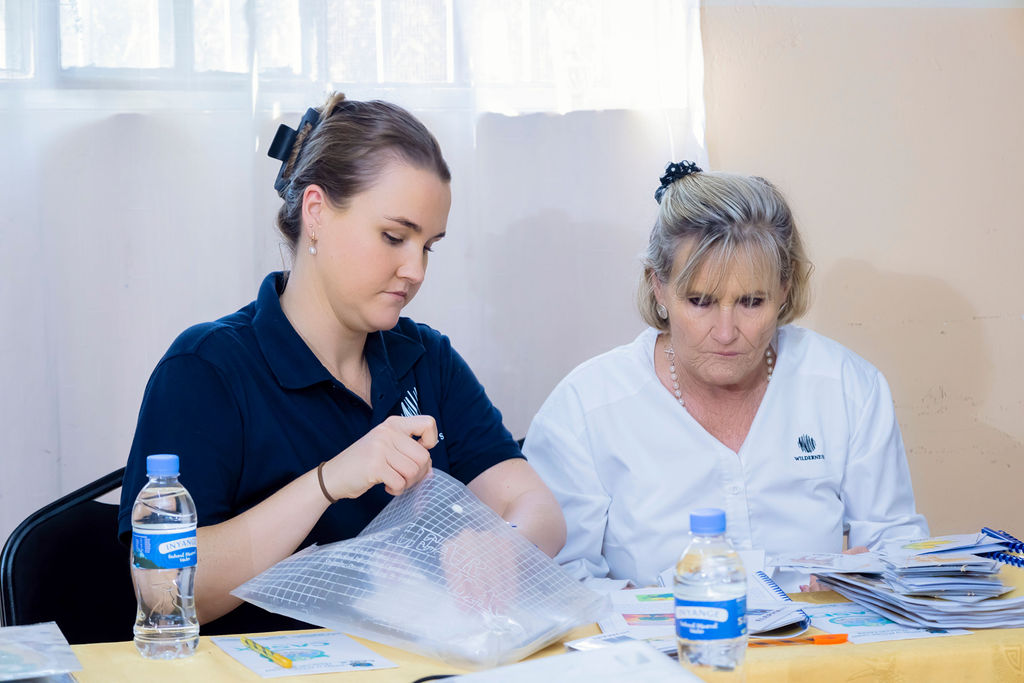
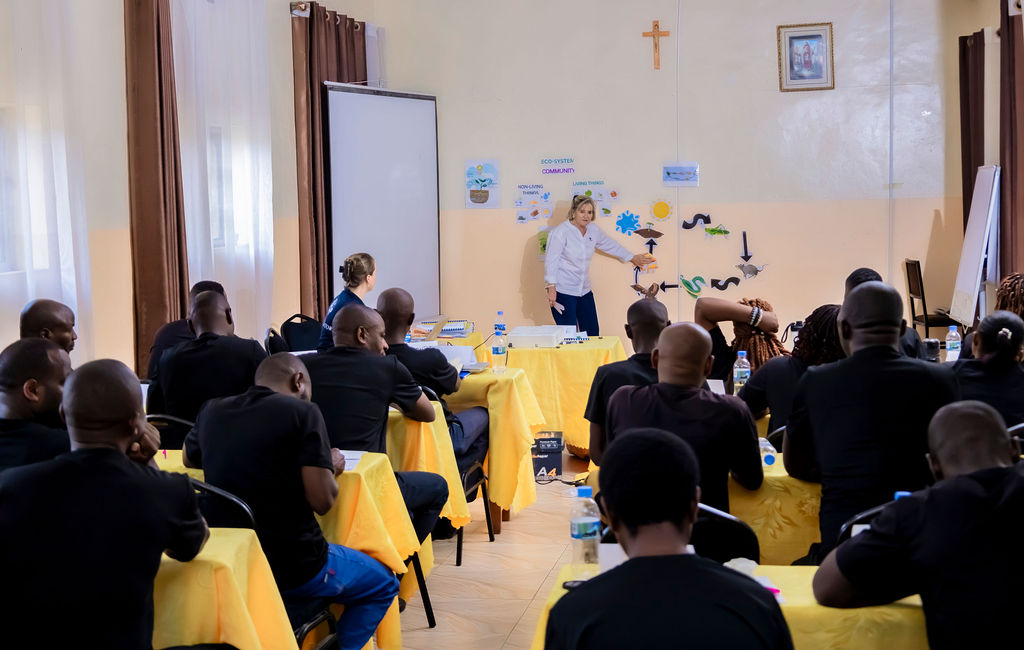
Rather than talking about teaching methods in the abstract, Sue and Courtney walked the Eco-Mentors through a full lesson from the CITW curriculum, step by step, showing them as an example of how it could be delivered back at their own Eco-Clubs. The point was to show how one topic can be taught in several different ways, so that every child in the room is reached, whatever their learning style or strengths.
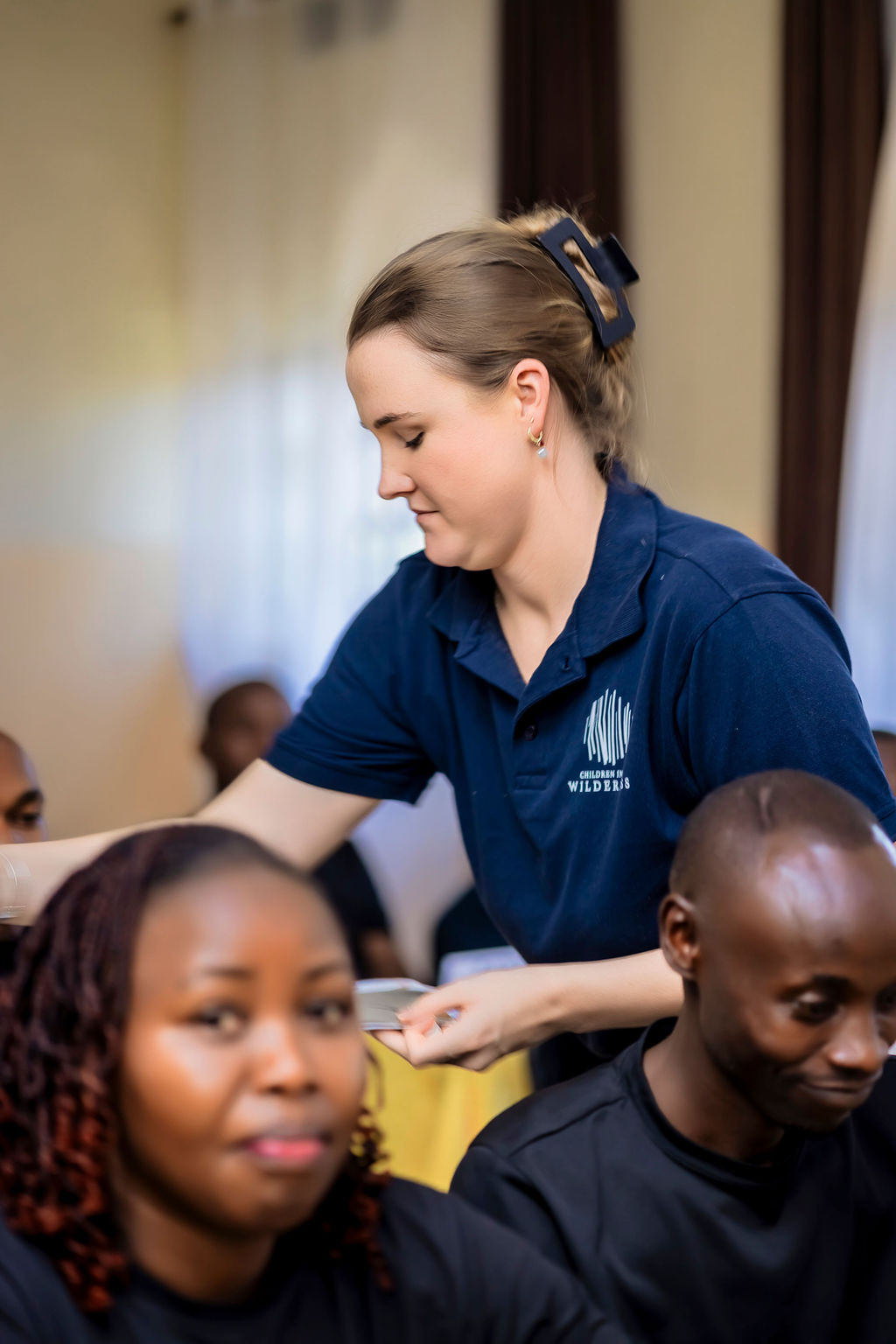
A lesson in action
The lesson opened with an energiser called Chopping a Tree, getting everyone up and moving and thinking in a fun, interactive way before settling down to the theory. The aim was to get the Eco-Mentors to consider what would happen if we cut down all the trees on Earth. Their answers came quickly: no clean water, birds and insects losing their habitat, no shade, soil degradation, and people themselves left in danger. The conclusion was simple. We must use trees wisely.
‘When we cut one tree, we must plant three others.’
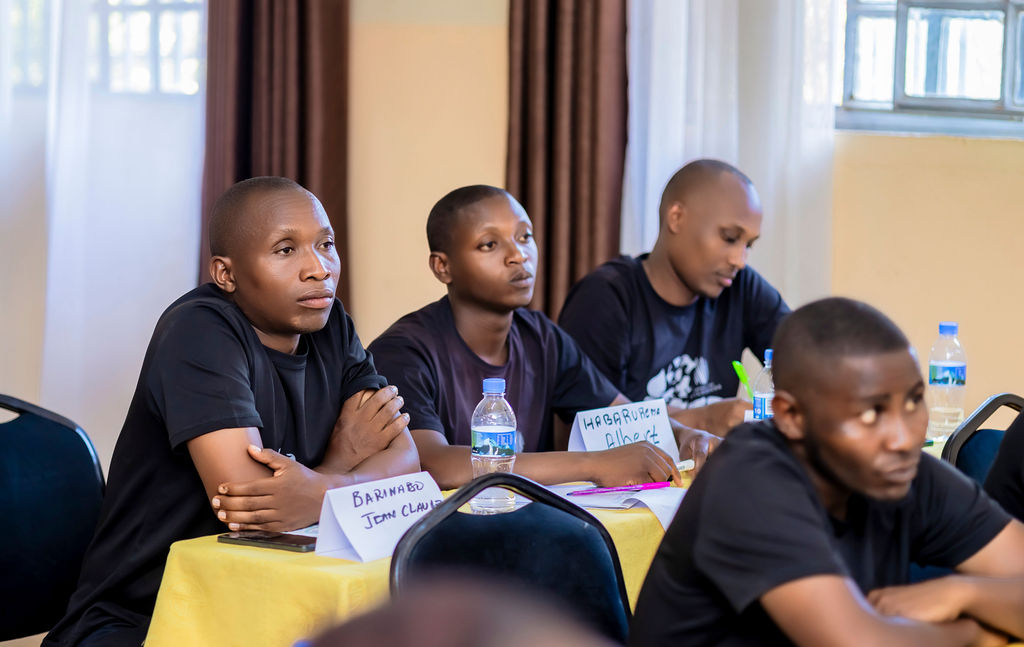
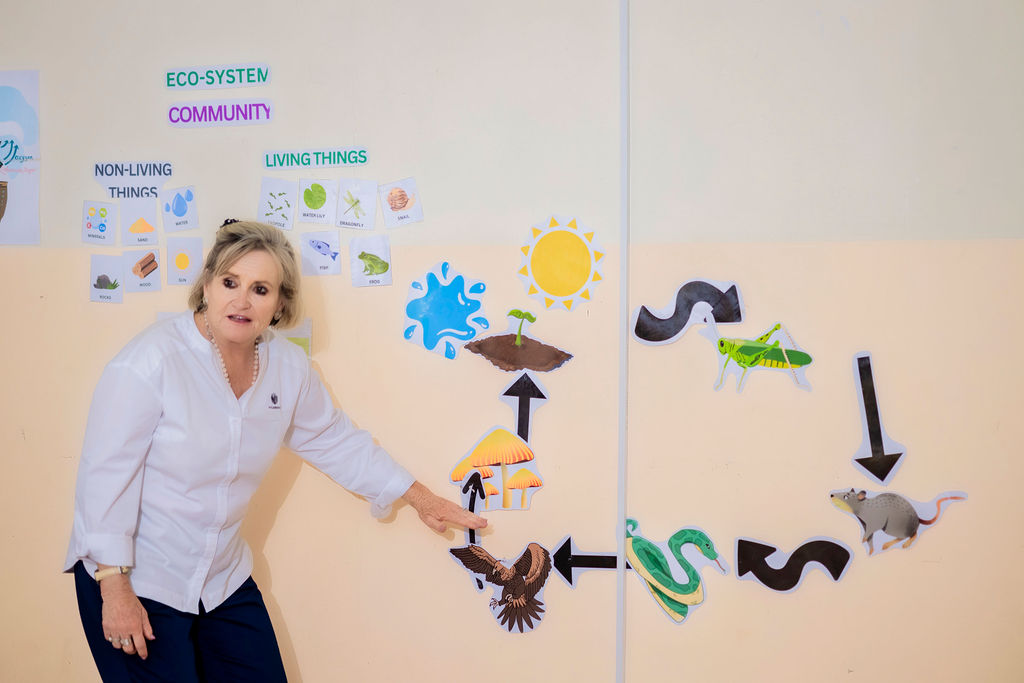
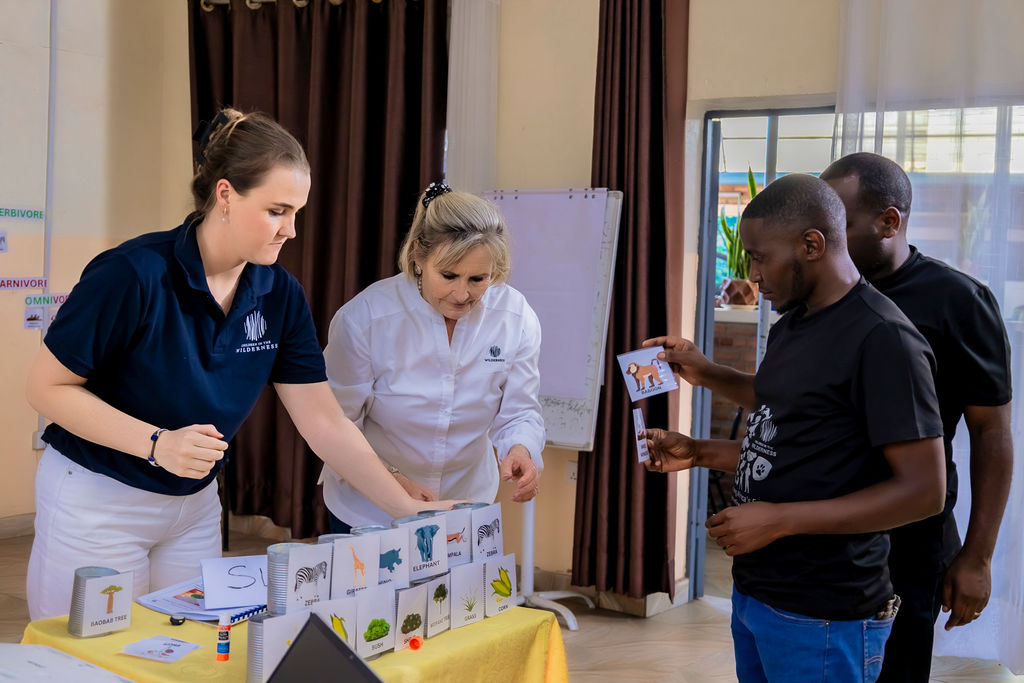
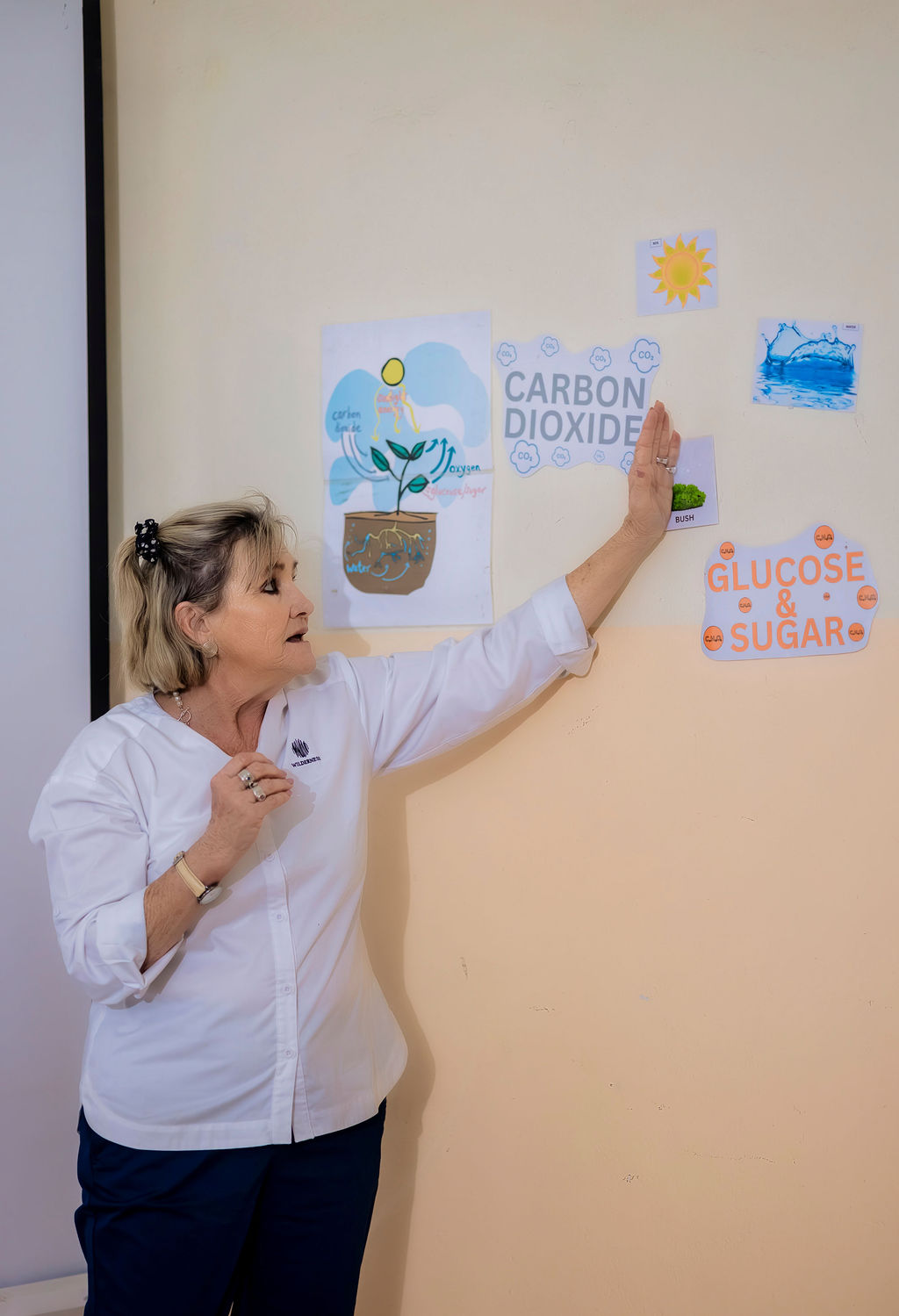
With the group warmed up and already thinking, Sue and Courtney moved on to Eco-Club materials and the ‘Photosynthesis’ activity, working through what plants need: carbon dioxide, sunlight, water, and soil. Sue explained that without photosynthesis all primary consumers, herbivores and human beings included, would die, and entire ecosystem would suffer. Plants use carbon dioxide, water, and sunlight to make their own food (glucose) and give us oxygen in return. From there the lesson widened out to why protecting the ecosystem matters in our everyday lives. An ecosystem is a community of living and non-living things, or put simply, the interaction between living things and their physical environment. Sue and Courtney demonstrated this visually, using flash cards of living and non-living things such as the sun, water, and soil.
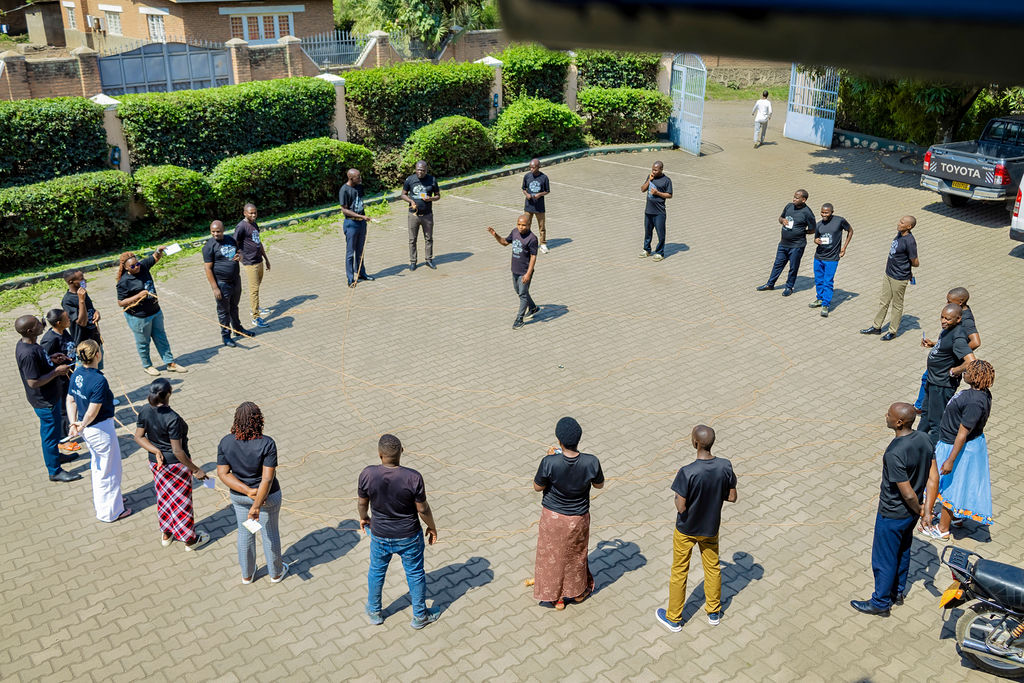
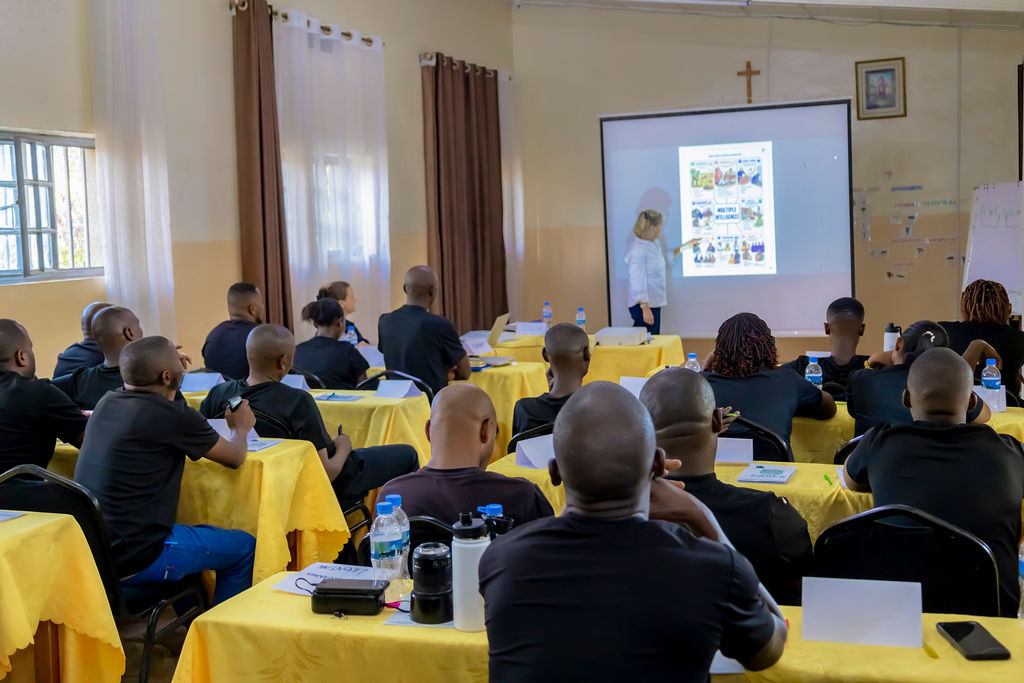
The energiser games kept coming between sections, and there was a lot of fun in amongst the learning!


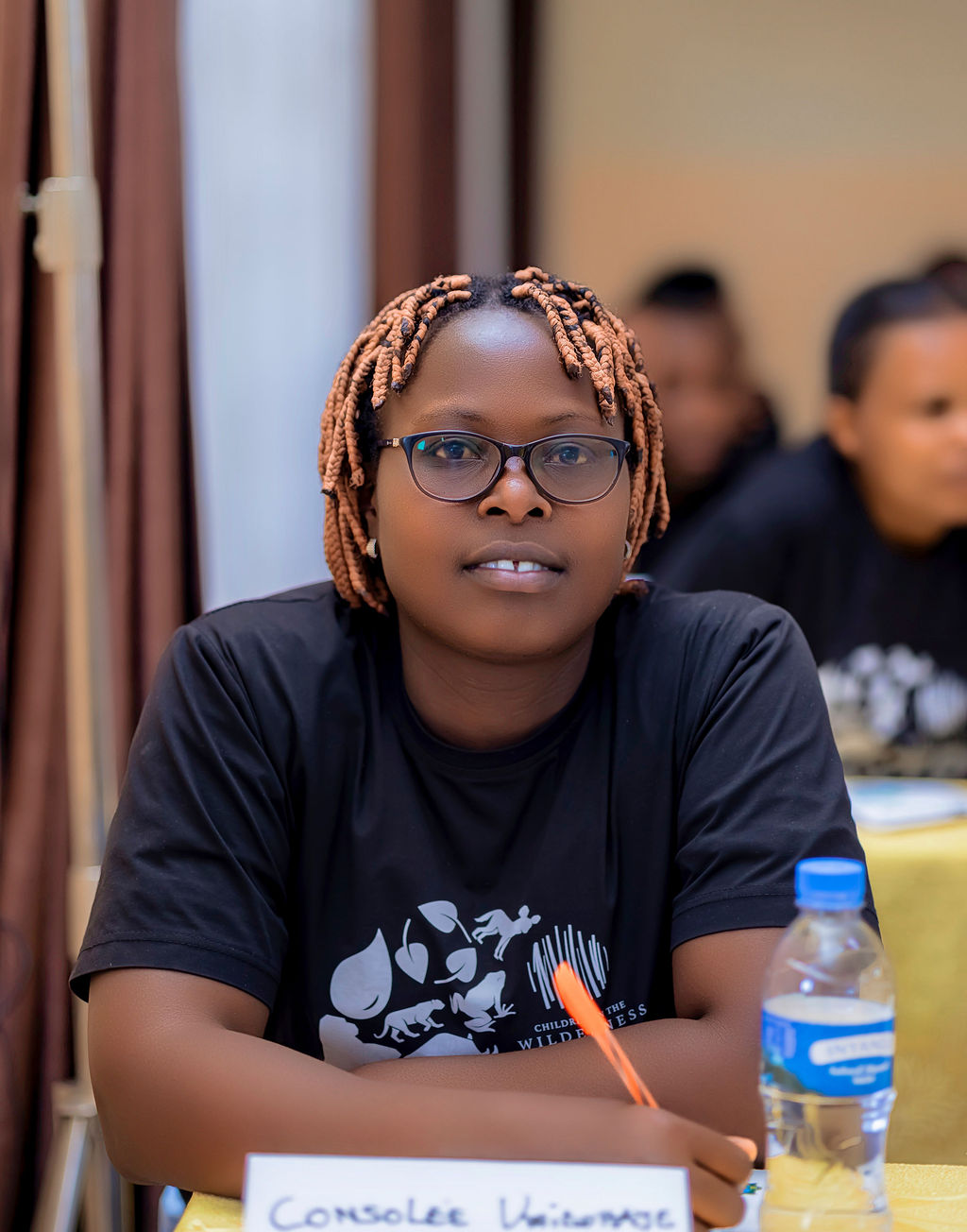
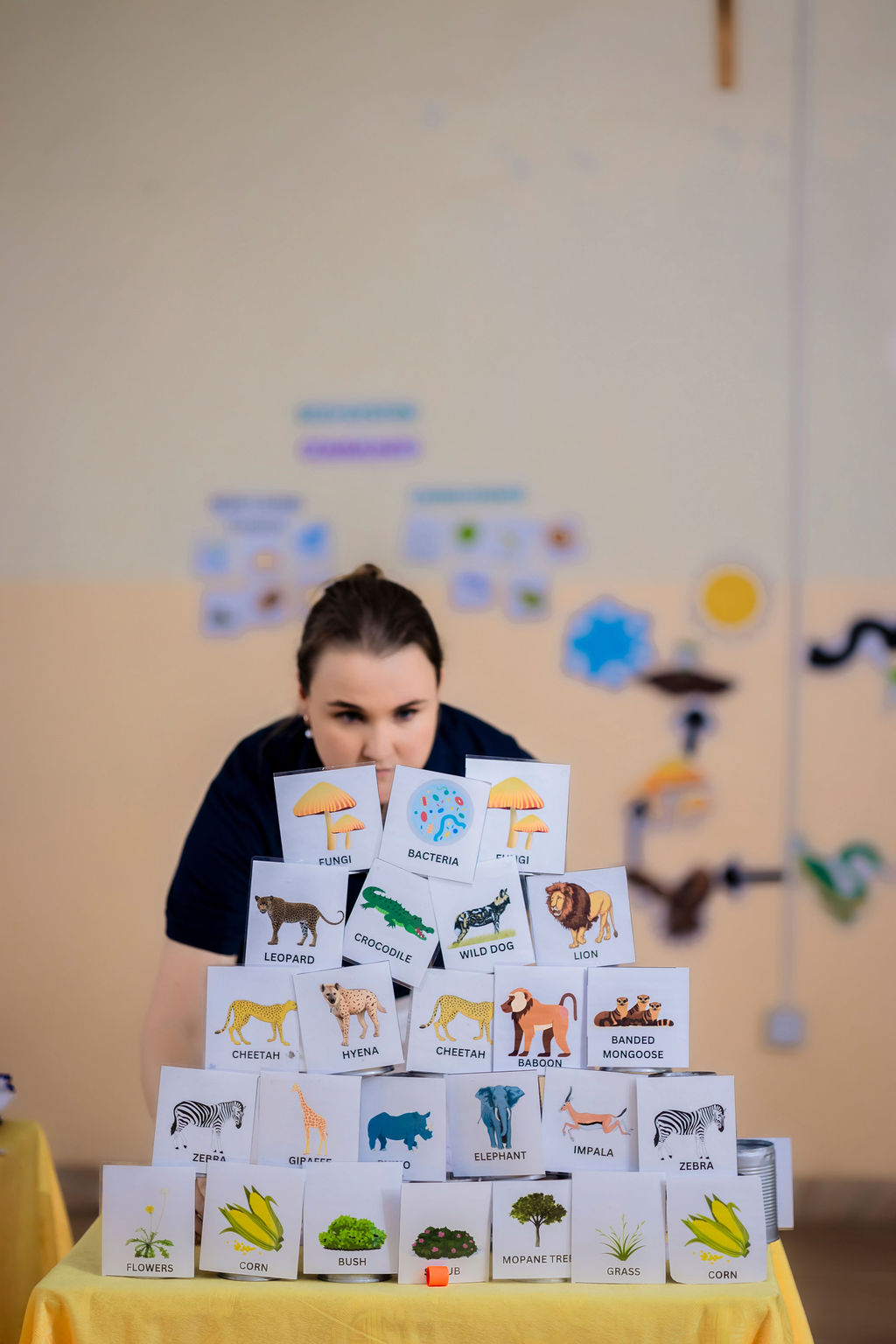
Throughout, the mentors were shown the small choices that help a lesson resonate in the Eco-Club setting. Rather than reading notes from a book, Sue reminded the mentors: write or draw key items on flash cards and hand them to the learners, letting the children hold the lesson in their own hands and decide what goes where. The flash cards then carried the group through the food chain itself.
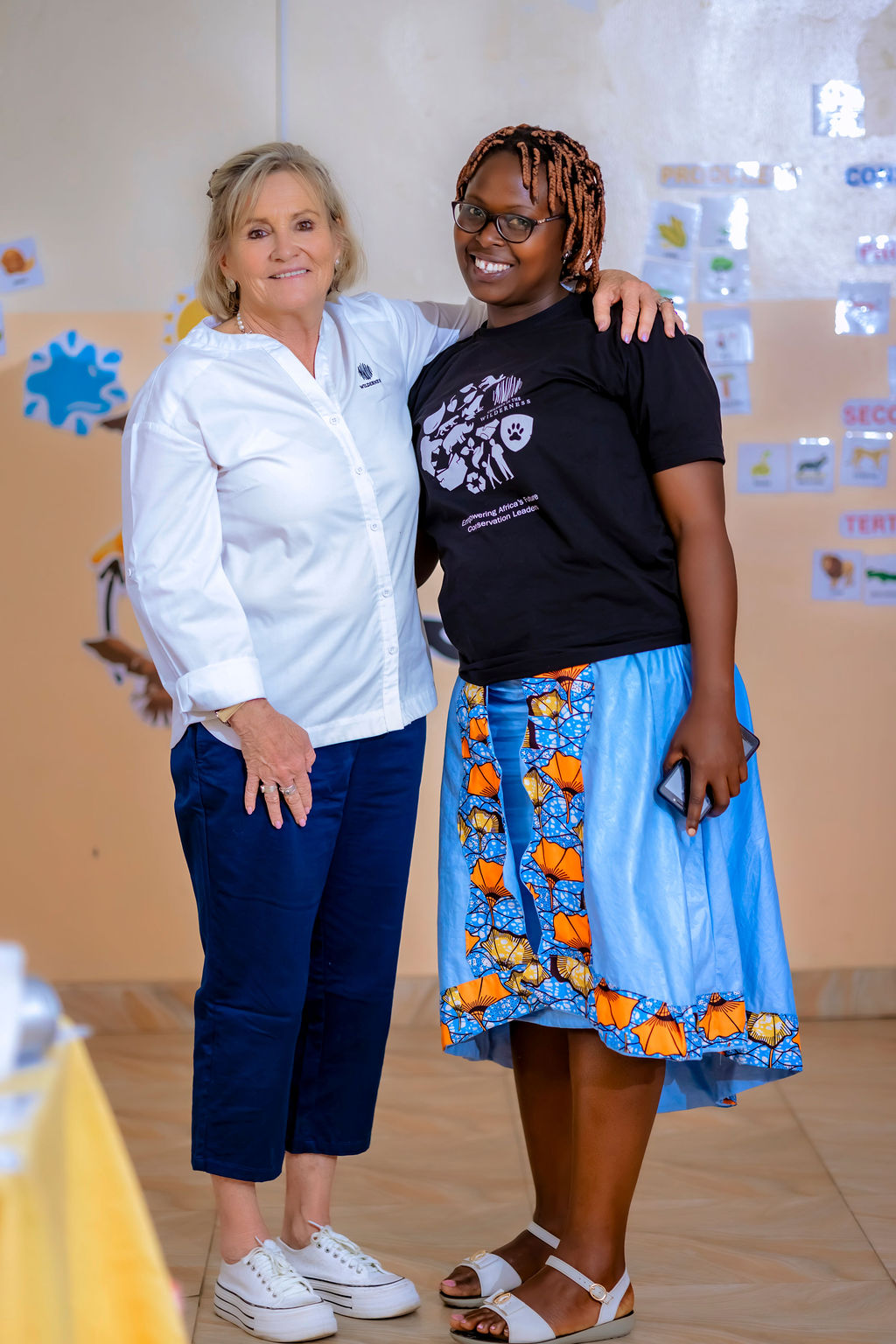
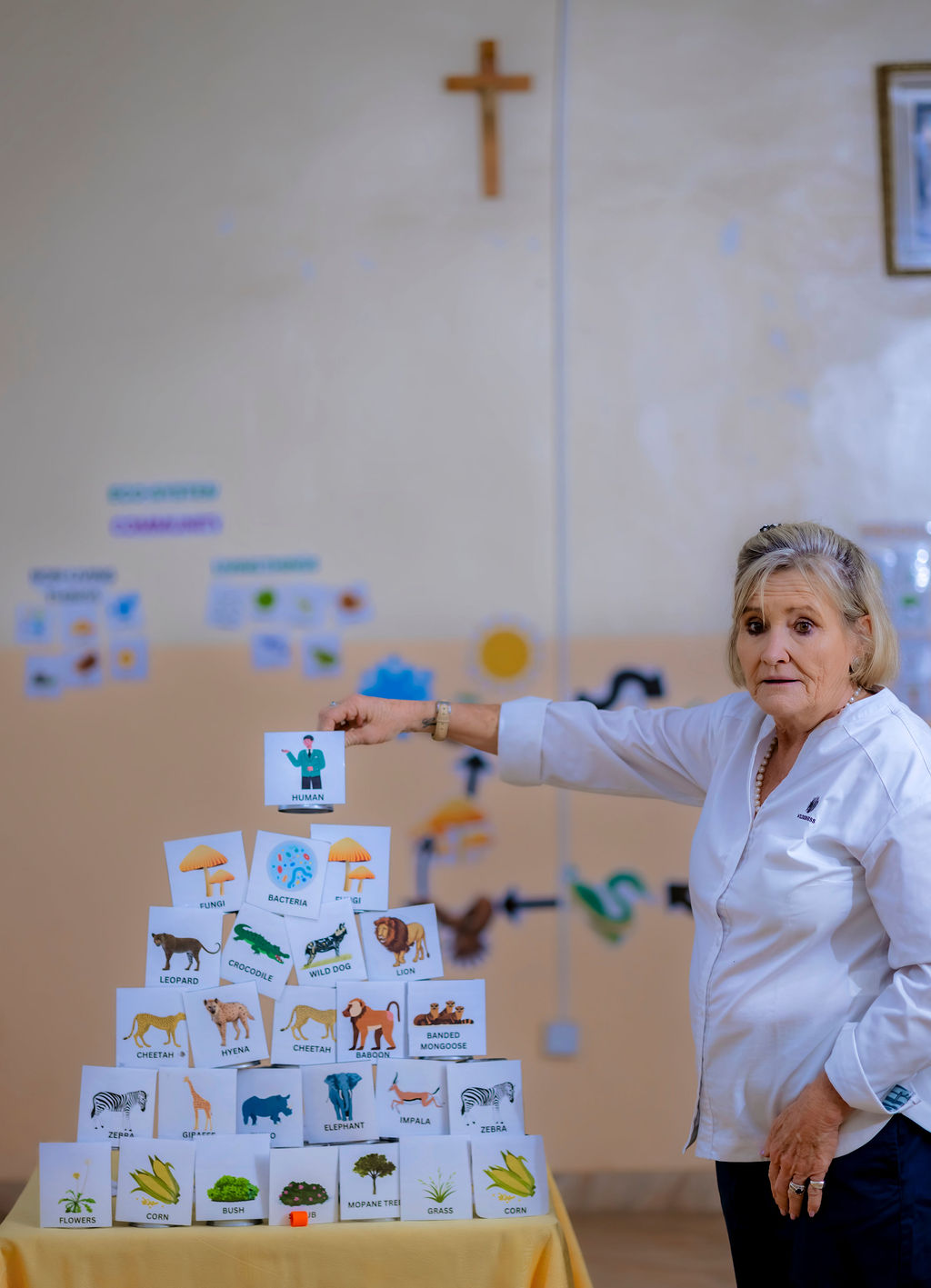
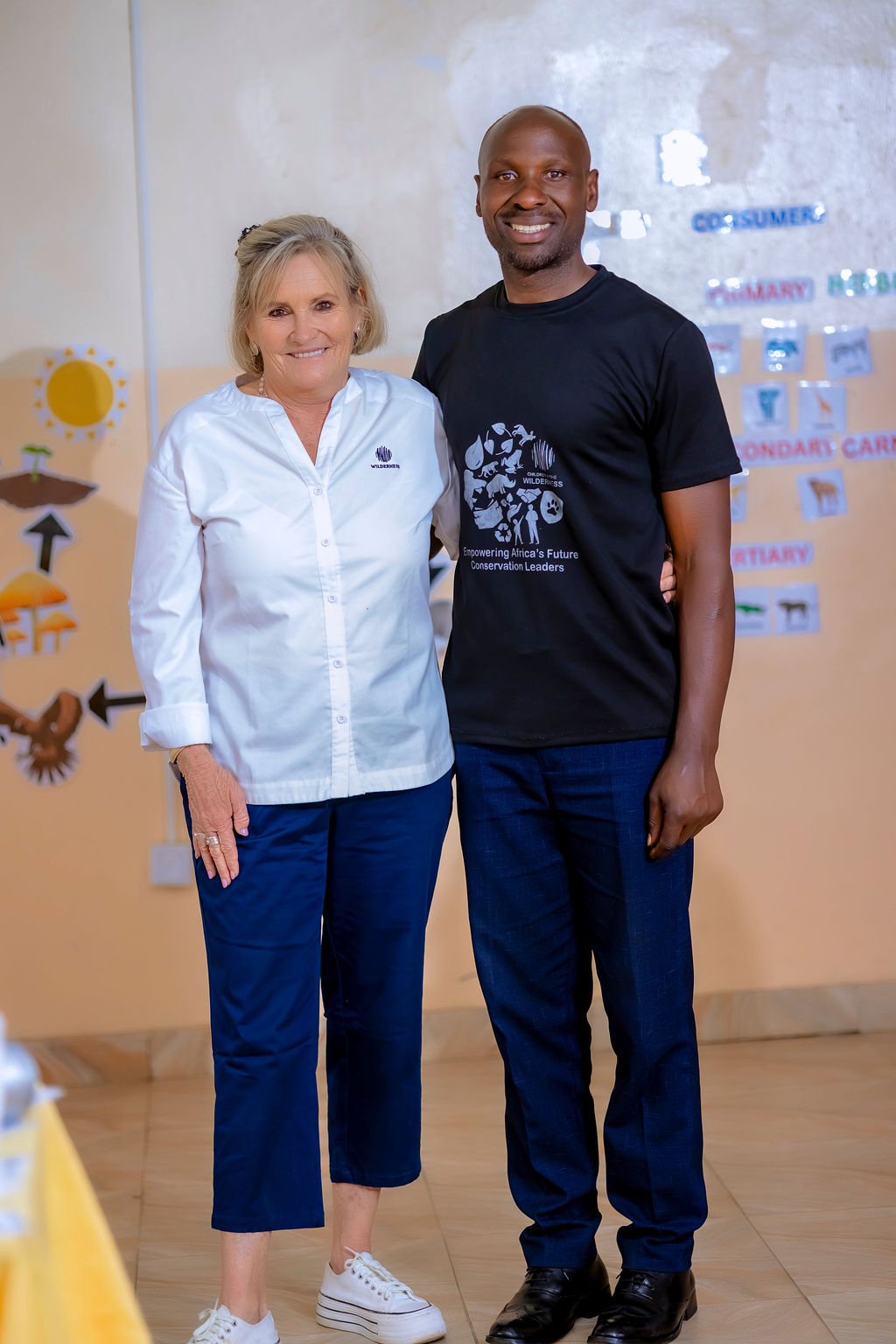
Simply put, ‘producers’ (plants) make the food in an ecosystem, and ‘consumers’ eat it. Sue worked through the primary, secondary, and tertiary consumers, the carnivores and the omnivores that eat both plants and meat, and finally the decomposers (bacteria), which break down dead matter into nutrients and fertilise the soil so plants can grow well. As she put it, human beings are the destroyers in the food web. By the end, the Eco-Mentors were left with a ready-made example to run with their own learners.
Field trip to Gishwati-Mukura
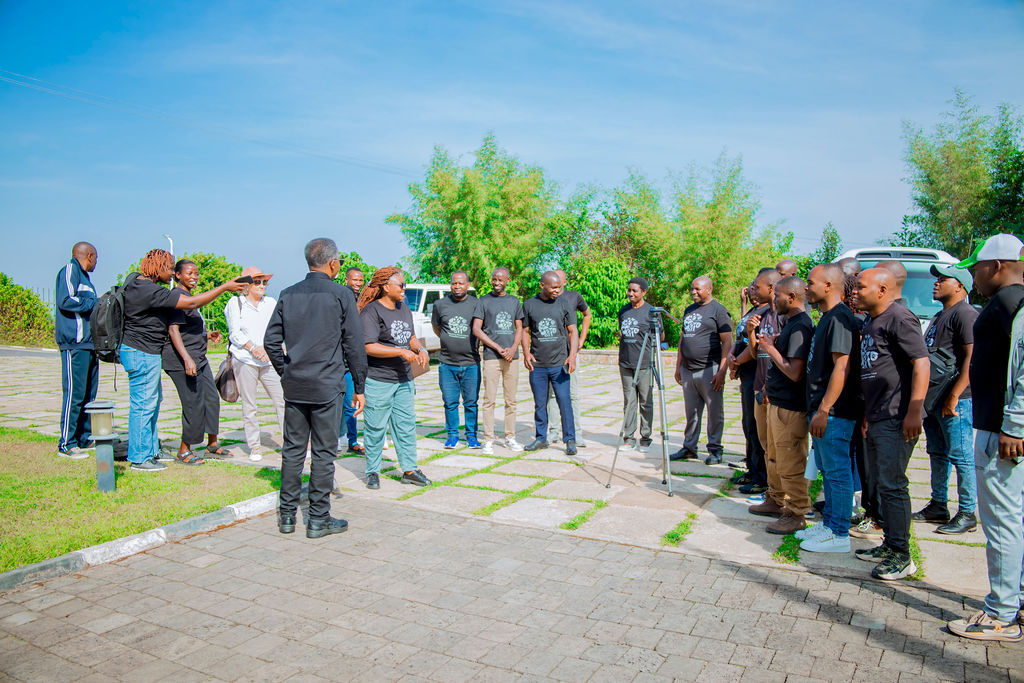
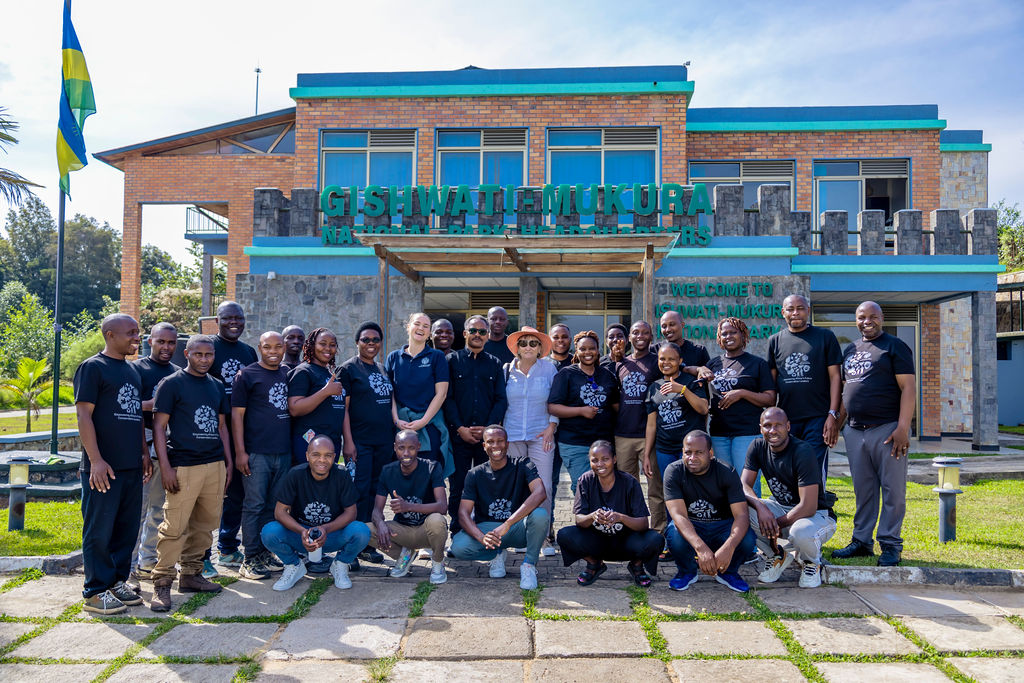
The following day, on the 27th of August, we took the Eco-Mentors to Gishwati-Mukura National Park. We stopped first at the Rwanda Development Board (RDB) Headquarters, where the Chief Park Warden welcomed us with an introduction to the park and its biodiversity, followed by a briefing from the guides.
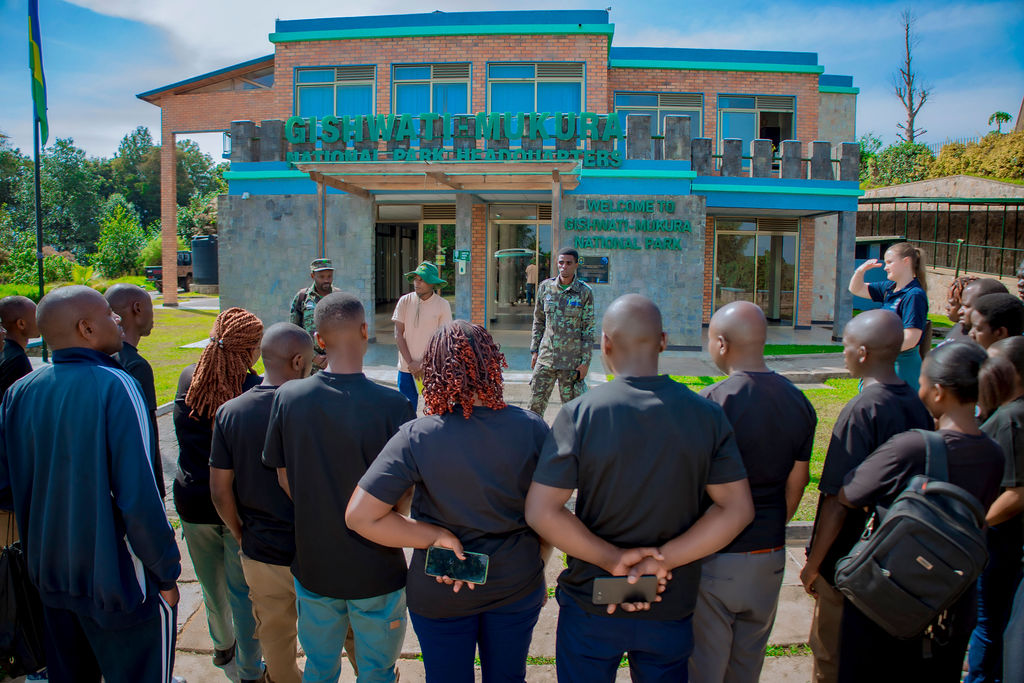
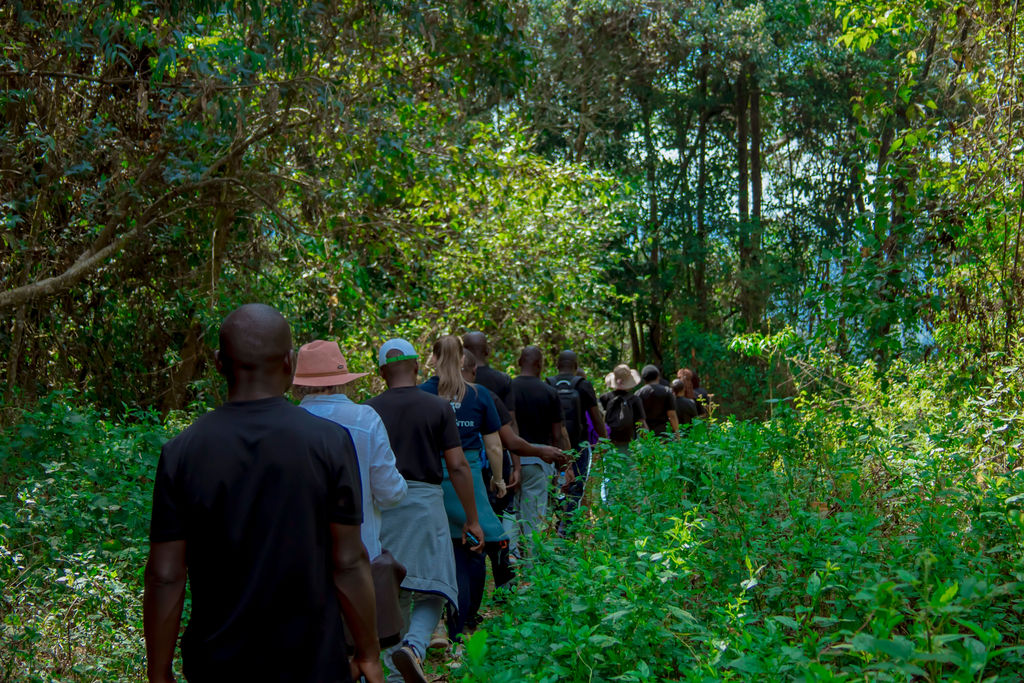
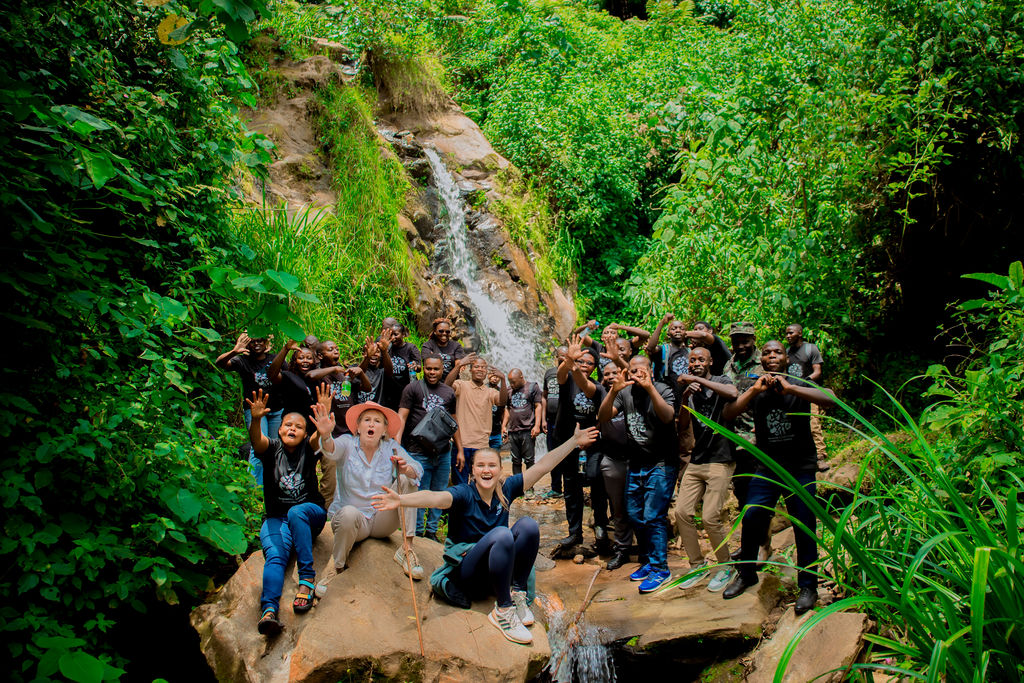
We then continued into the park and visited Kazeneza Waterfall. Walking through the forest, the guides pointed out different tree species, among them Carapa grandiflora, known as Umushwati in Kinyarwanda.
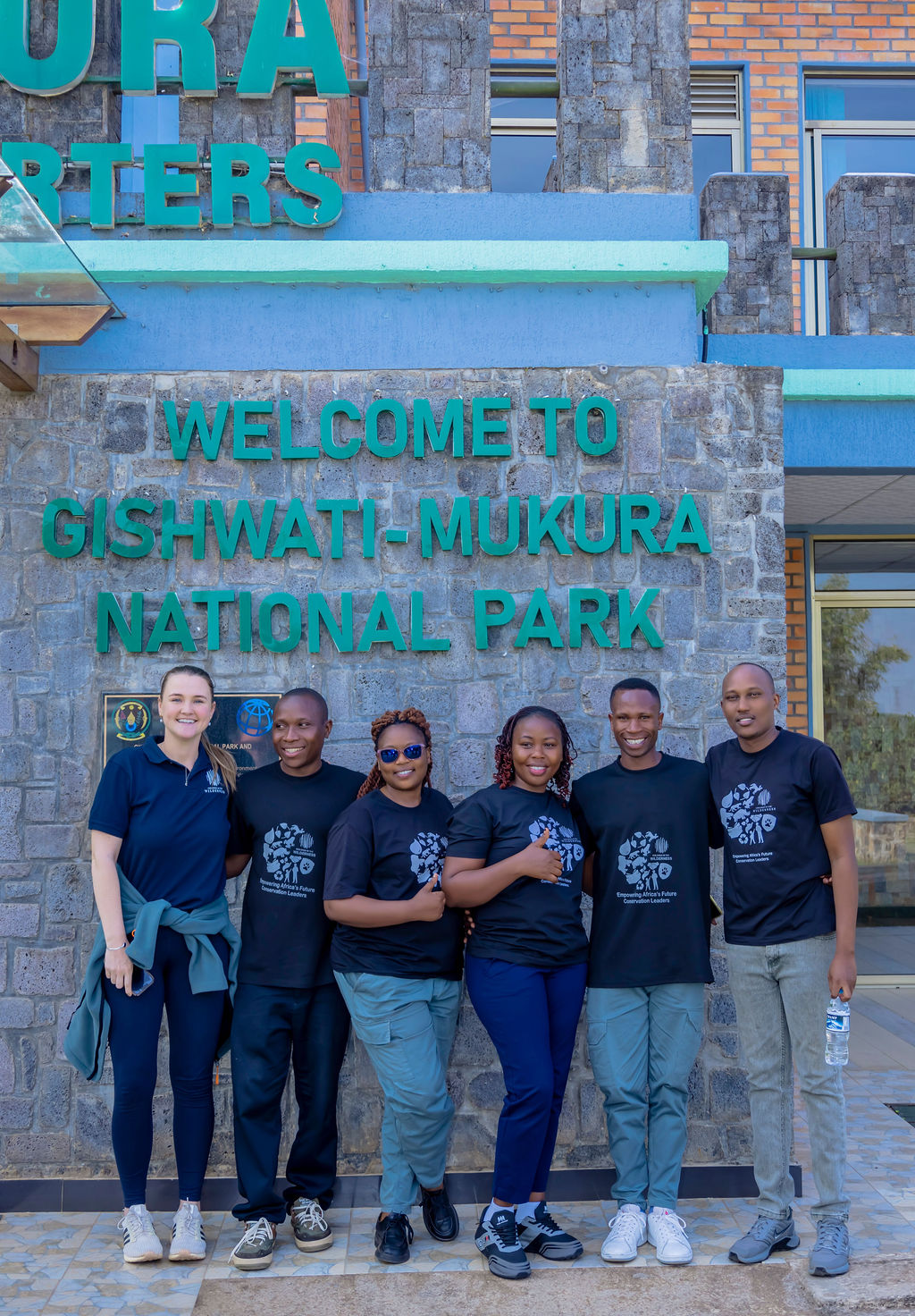
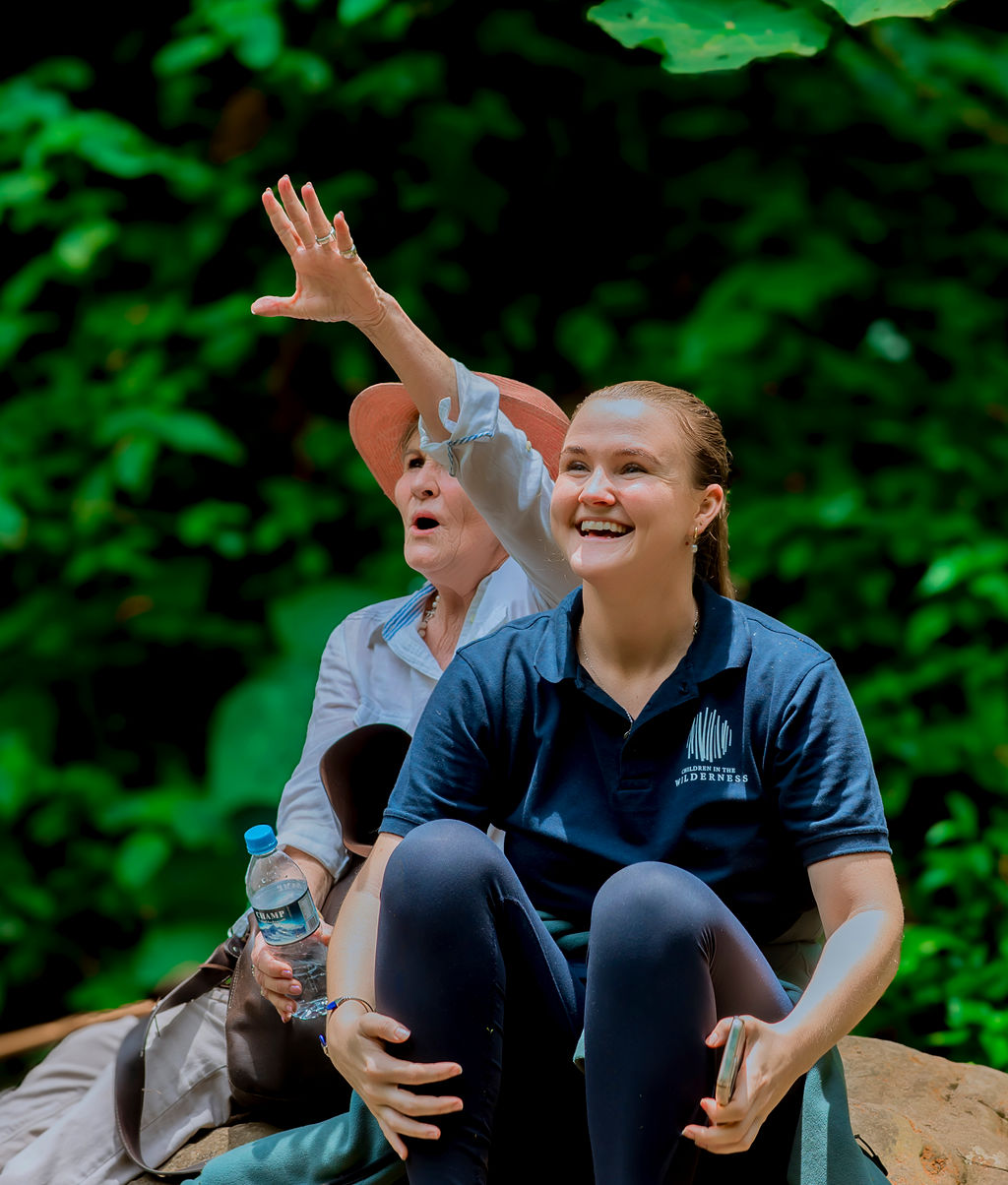
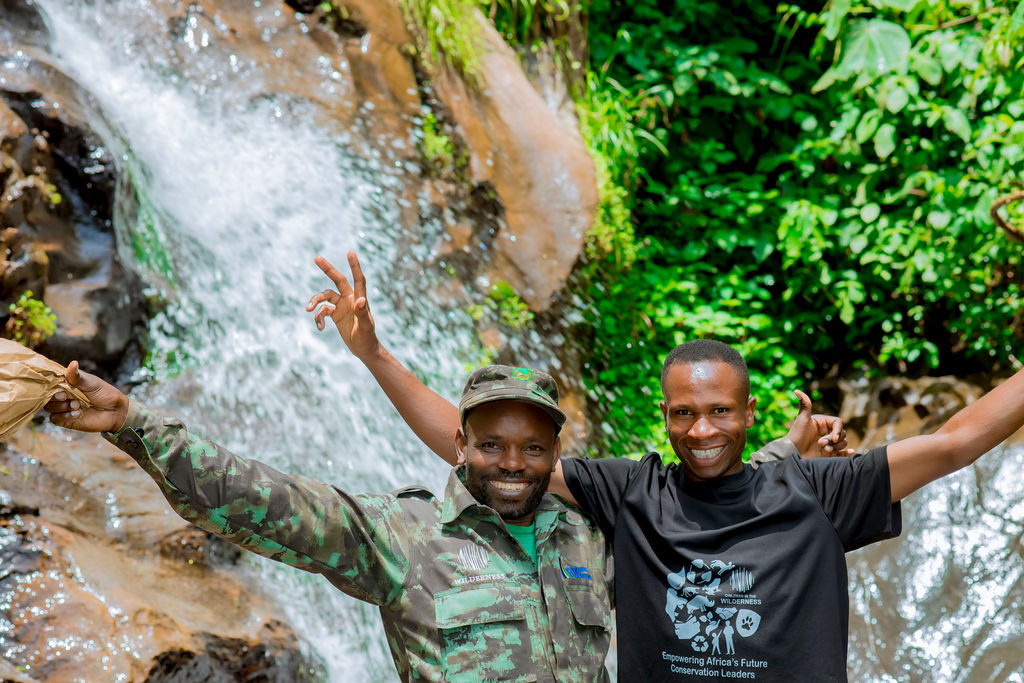
The trees have given their name to Gishwati – the community and the national park. The field trip was a highlight for everyone, and afterwards we returned to Centre d’Accueil Saint François Xavier for lunch and a well-earned rest.
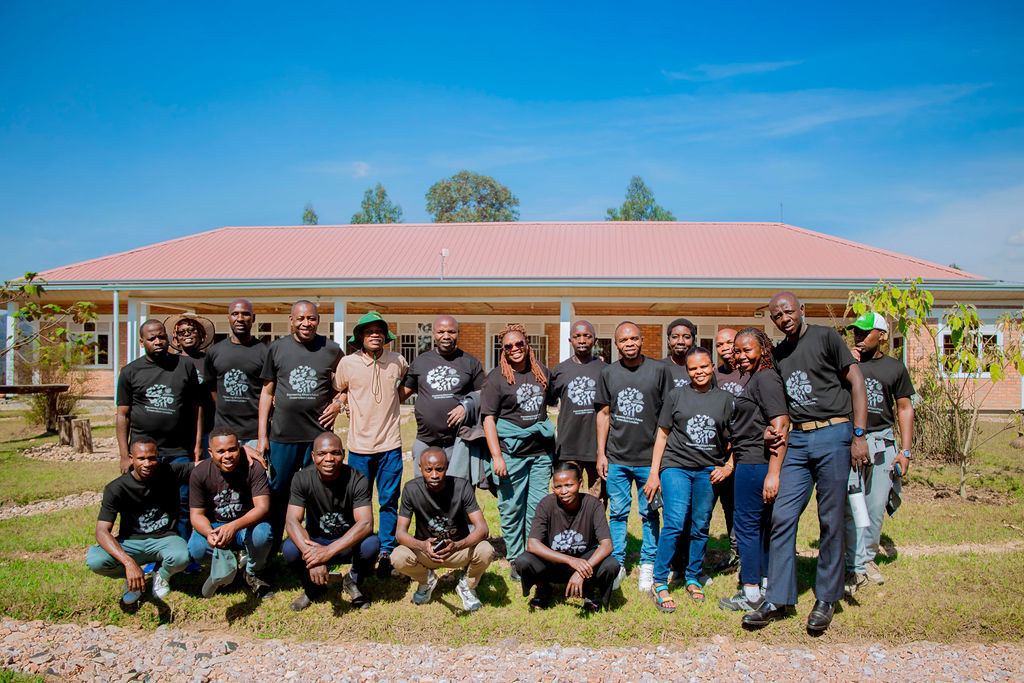
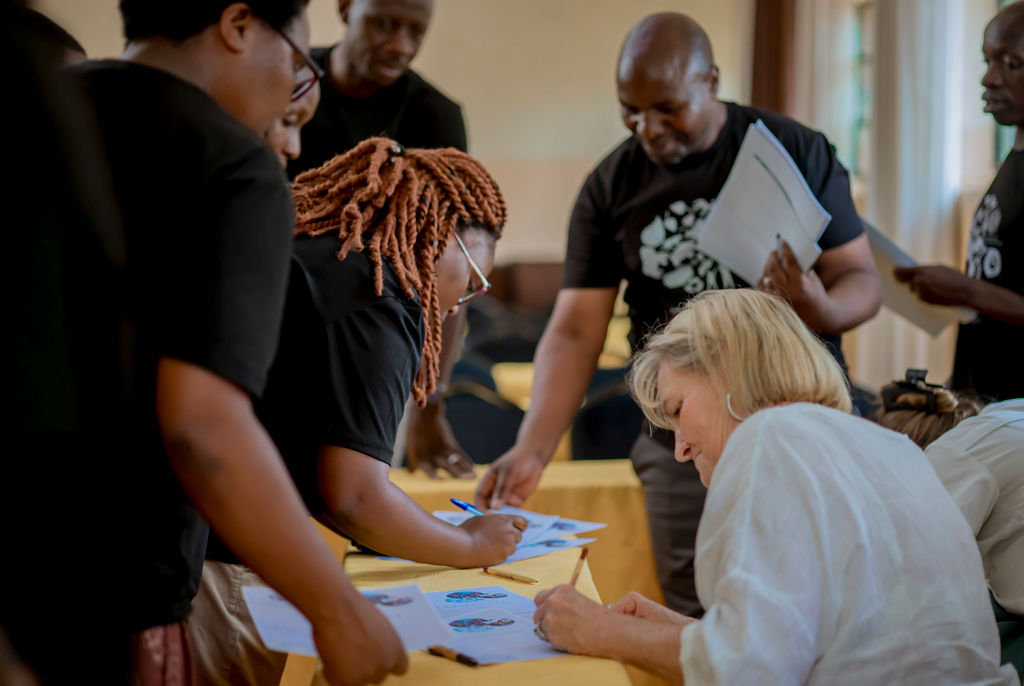
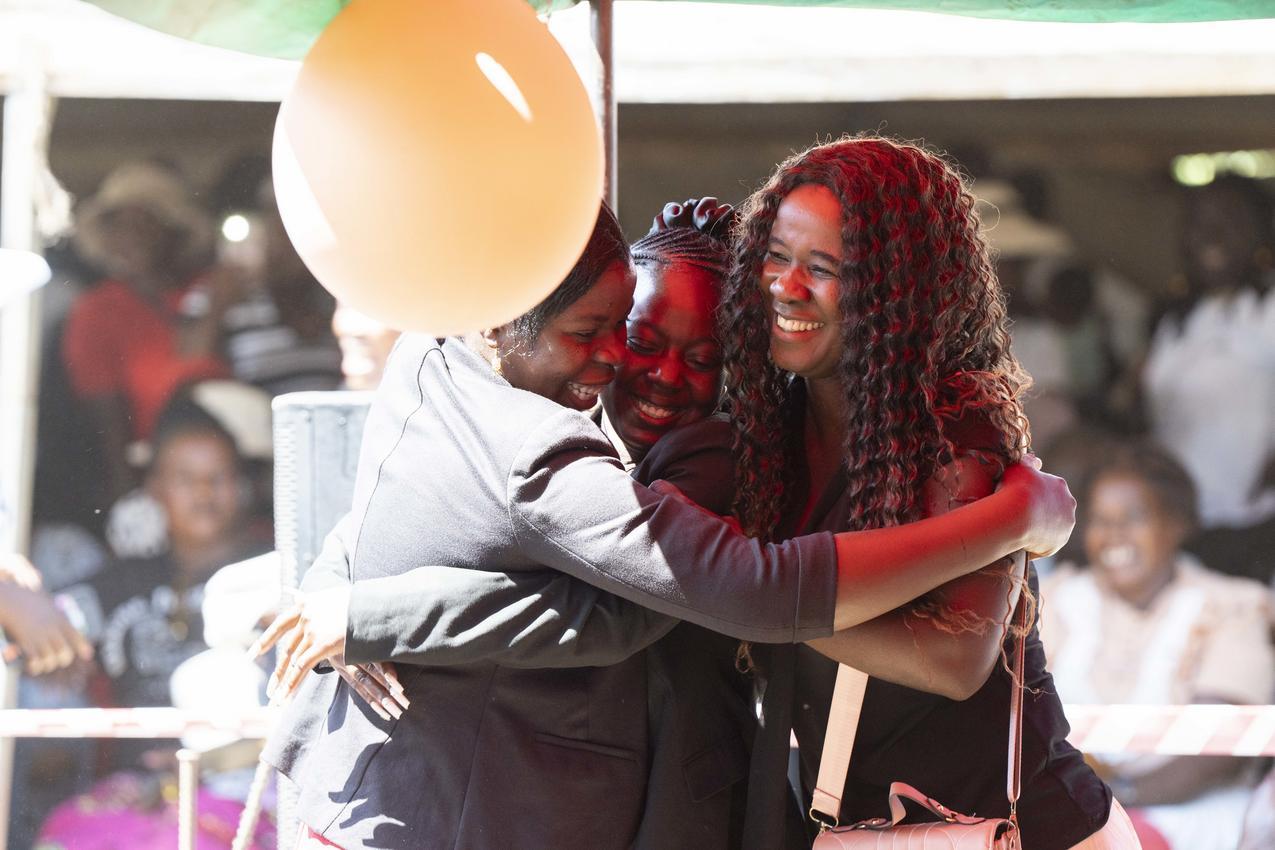
The 28th of August brought the training to a close, with Sue handing out certificates to the Eco-Mentors. Aline Umutoni thanked Sue and Courtney for travelling from Zimbabwe to Rwanda to support this vital training. It was extremely productive for all who attended, and the mentors left excited to use the methodologies they had learned in their Eco-Club and YES Club activities.
Watch a short video round-up of the days’ events here: