By Craig Glatthaar, Wilderness Head of Sales: Americas
Together with Ingcungcu Sunbird Restoration, Wilderness Touring Cape Town and the Wilderness USA Sales Department support an annual field trip for a series of Cape Flats’ school Eco-Clubs every year. These environmental clubs focus on connecting plants, birds and people in both a psychosocial and pollination-restoration effort.

Ingcungcu’s mission is to create stepping-stone fynbos gardens, maintained by the school Eco-Clubs, that act as a pollination corridor across a heavily fragmented and urbanised area in Cape Town. Not only do the stepping-stone gardens connect birds to plants, but arguably most importantly, they connect learners to nature.
The annual field trip with Wilderness is an opportunity for the learners from the various schools’ Eco Clubs to explore the natural world beyond the borders of their own eco-gardens.
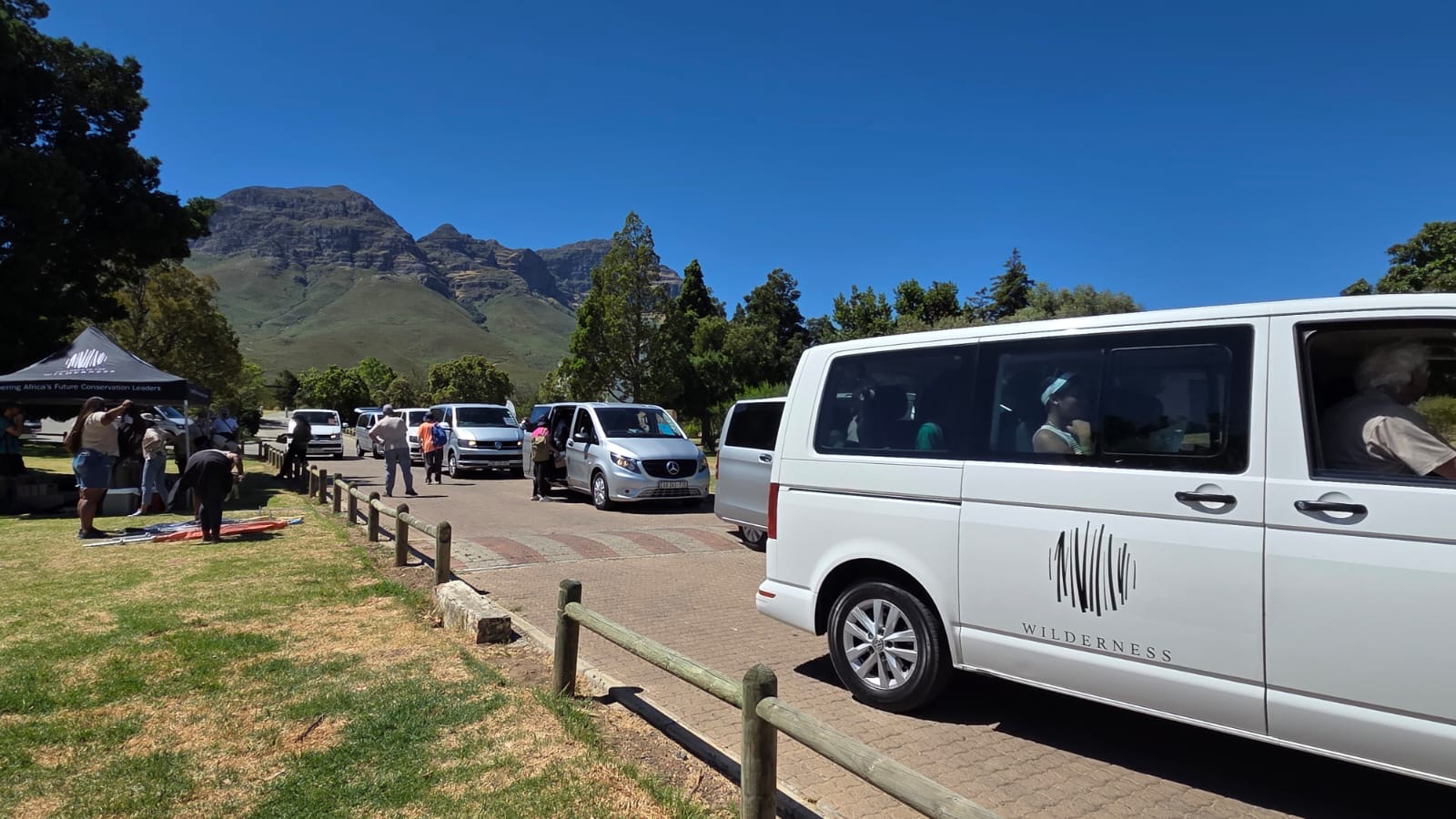
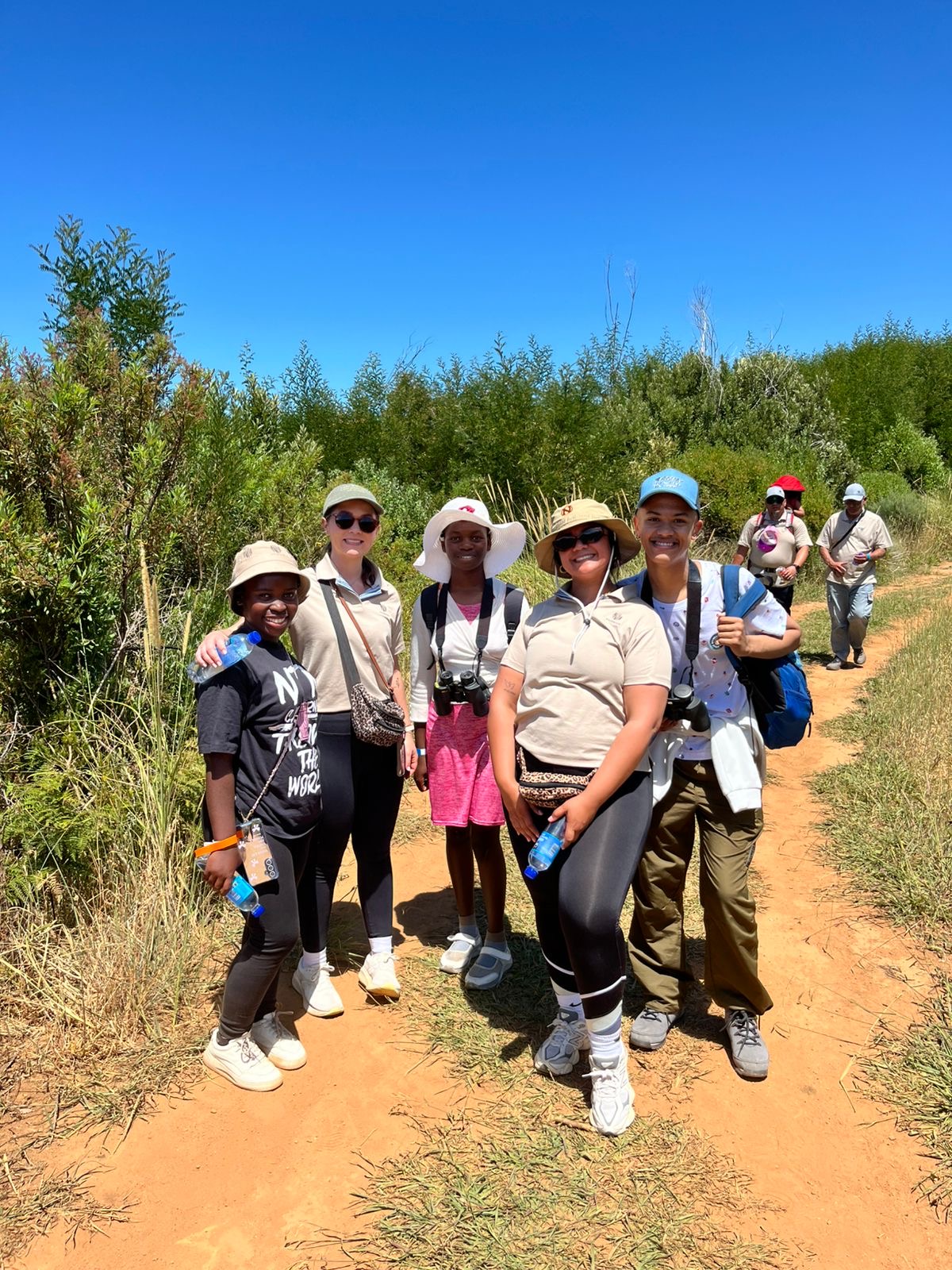
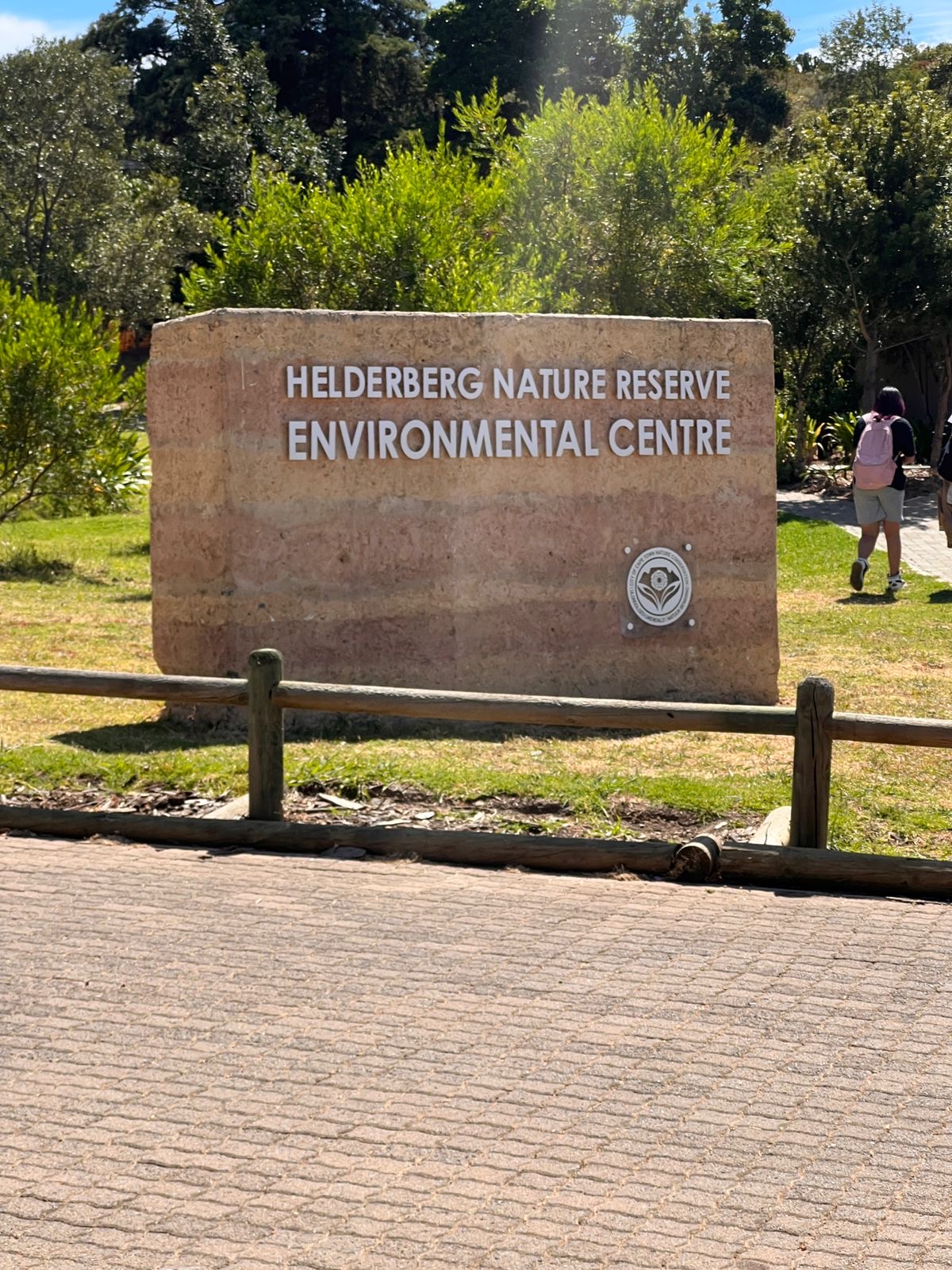
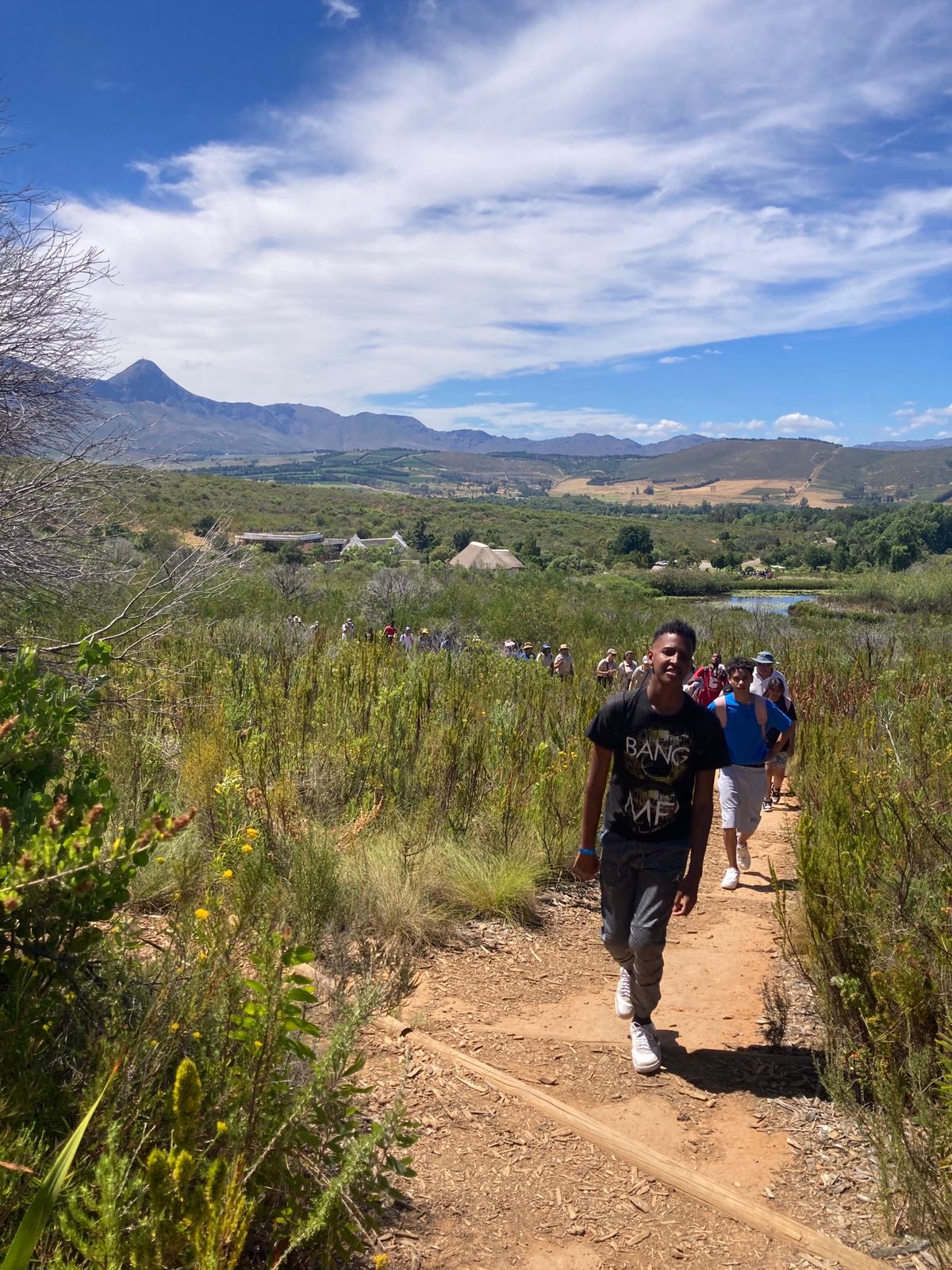
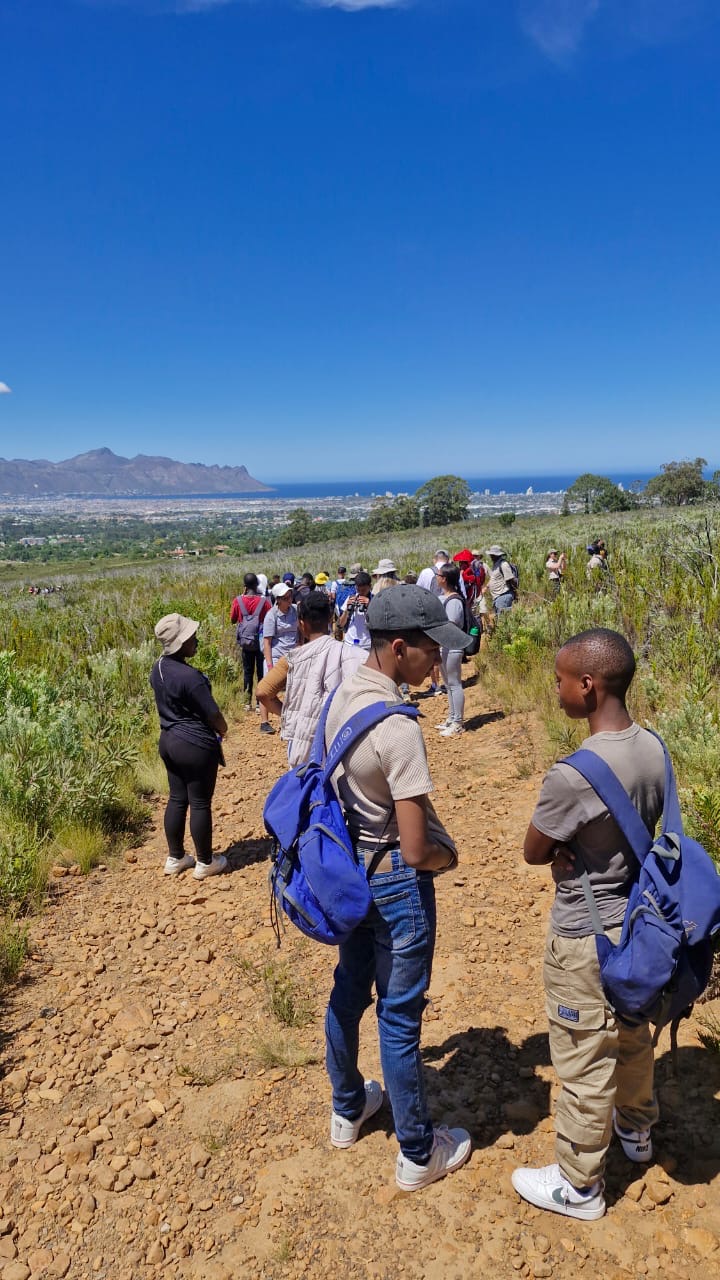
On a fine summer’s day in early December, a team of 11 expert Wilderness Touring guides volunteered their time and drove to Sibelius, Steenberg and Crestway schools in the Cape Flats to collect 55 children for a nature-day fix! The destination was Helderberg Nature Reserve. The reserve is a nearly 400-hectare (ca. 1,000-acre) protected area on the slopes of Helderberg Mountain in Somerset West, known for its rich fynbos vegetation, diverse wildlife, and more than 170 bird species. It is an important site because it safeguards rare and threatened plants within one of the world’s major biodiversity hotspots, while also providing a beautiful natural space for people to enjoy.
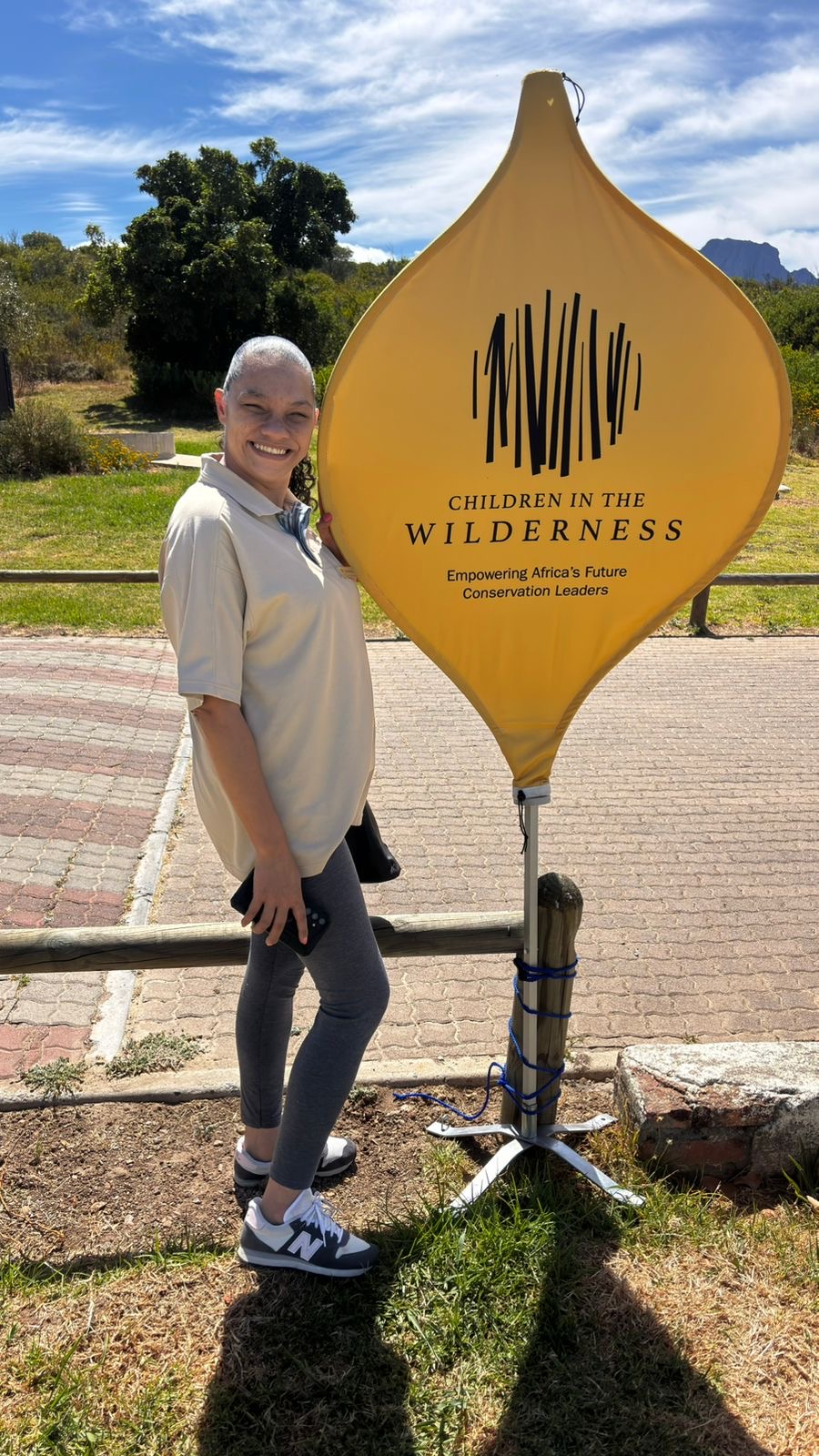
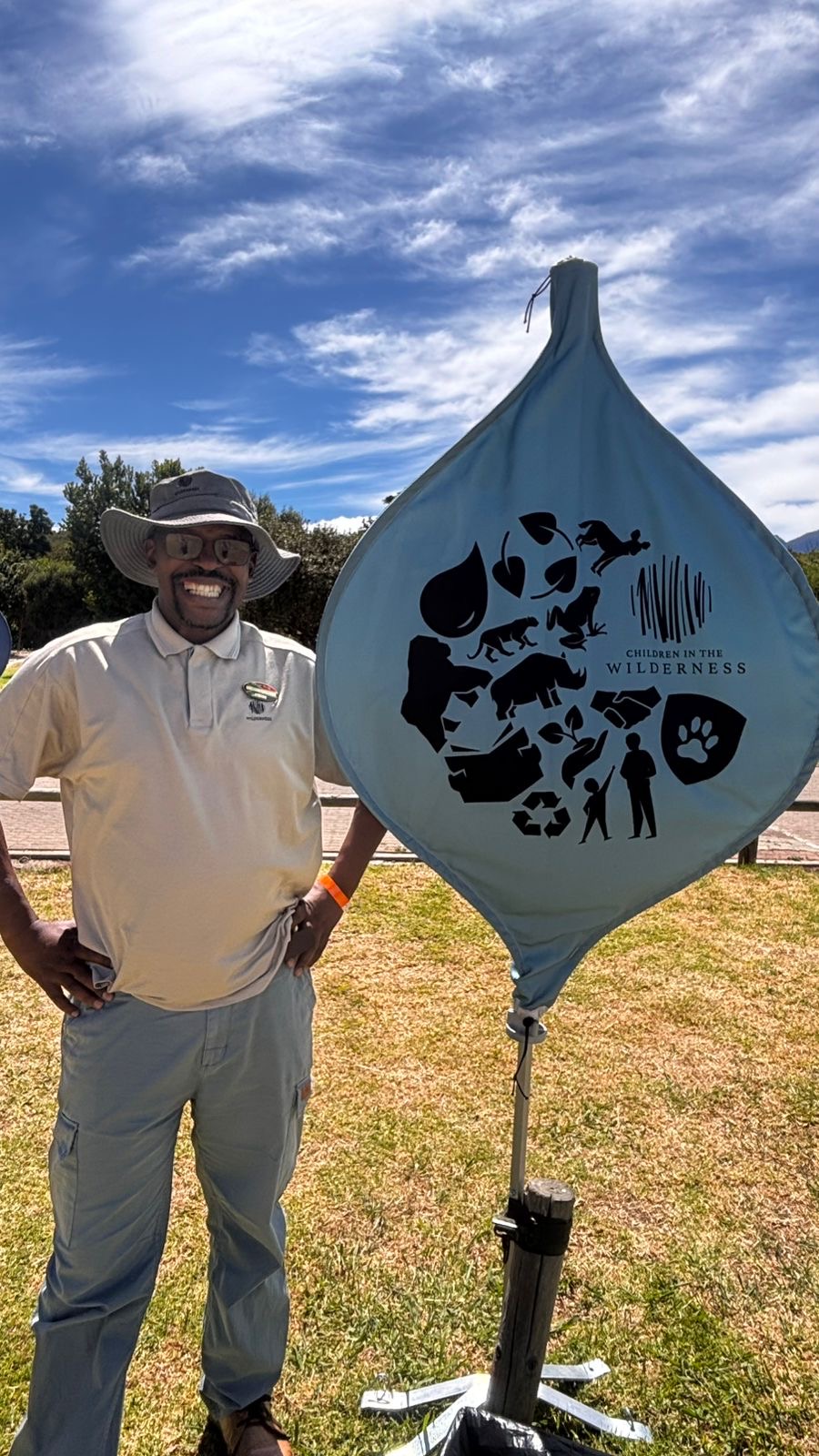
Ingcungcu’s Ceinwen Smith explained that “the chance for our Eco-Club learners to expand their knowledge in ecosystems outside of the Cape Flats is a major opportunity to inspire the children on these annual field trip programmes”. Ceinwen is one of the organisation’s founders, and a passionate botanist, landscaper and educator, who imparted her knowledge to the Eco-Club members with the same inspiring ease as Sir David Attenborough narrating a BBC wildlife documentary.
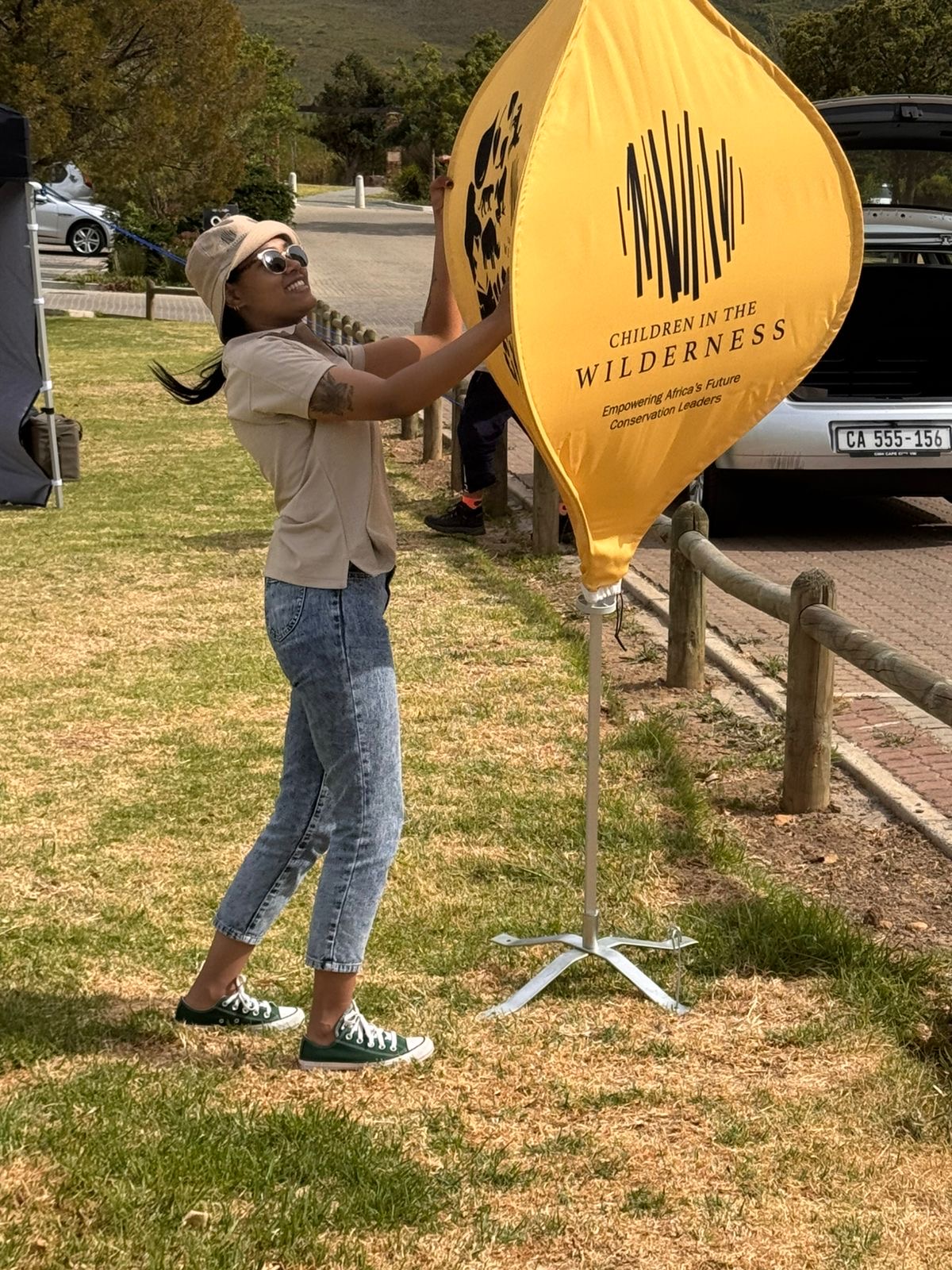
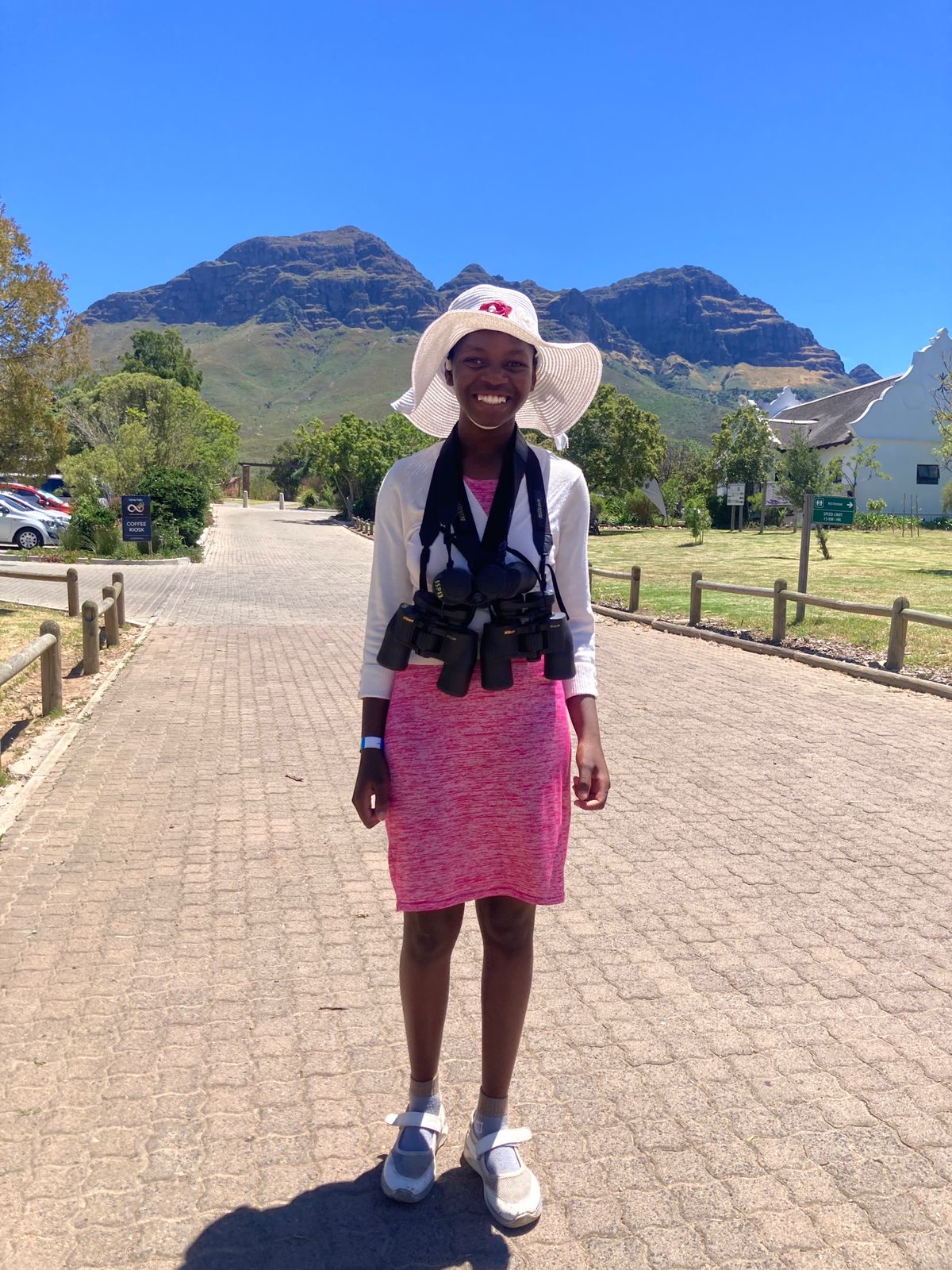
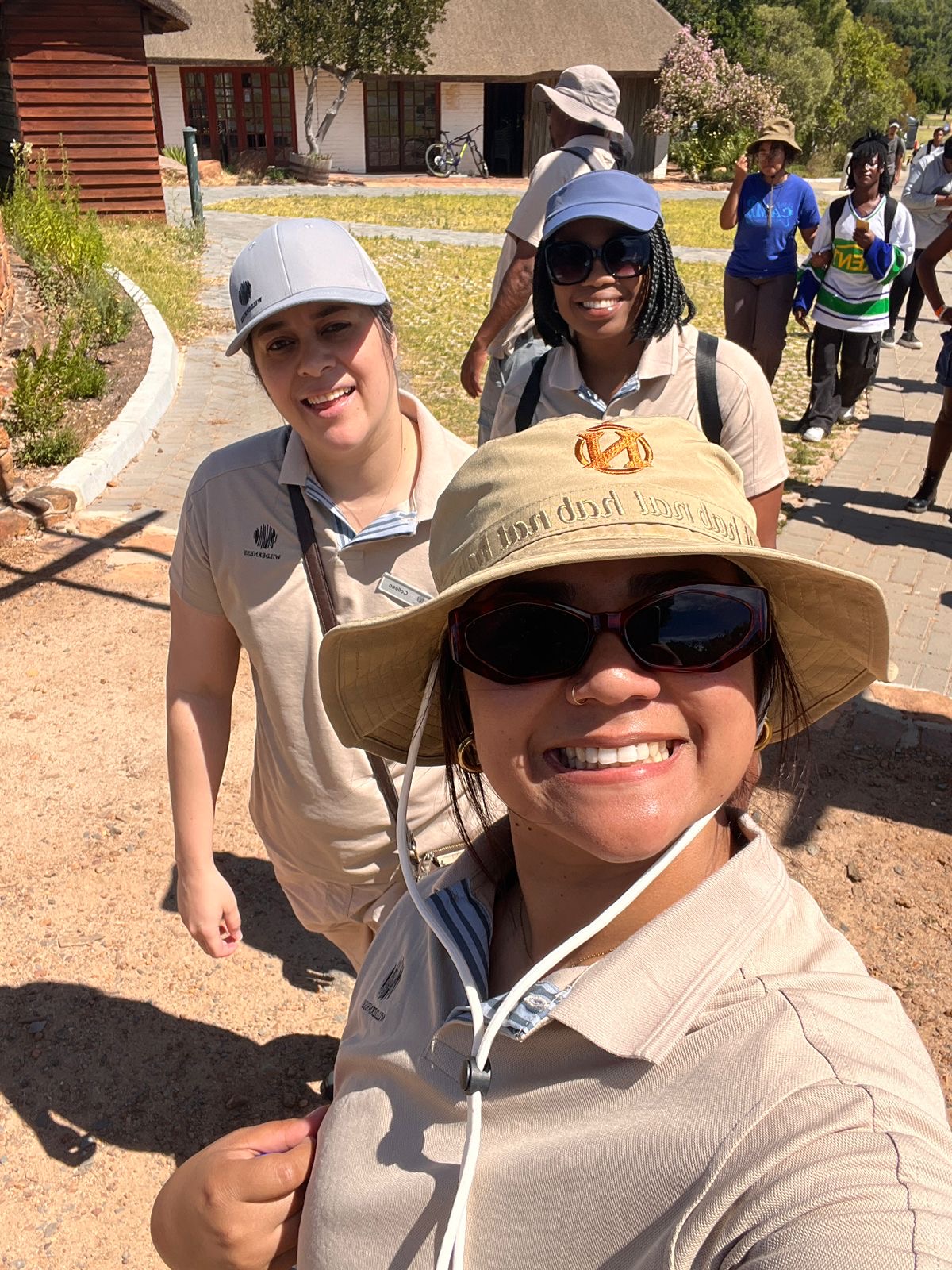
Helderberg was the perfect immersive natural classroom for the learners, led by the Wilderness team and Wilderness Touring guides. The learners pushed the adult hiking guides’ fitness levels, and in a reciprocal battle of brains vs brawn, the guides challenged the learners to identify various species of plants and birds on the hike.
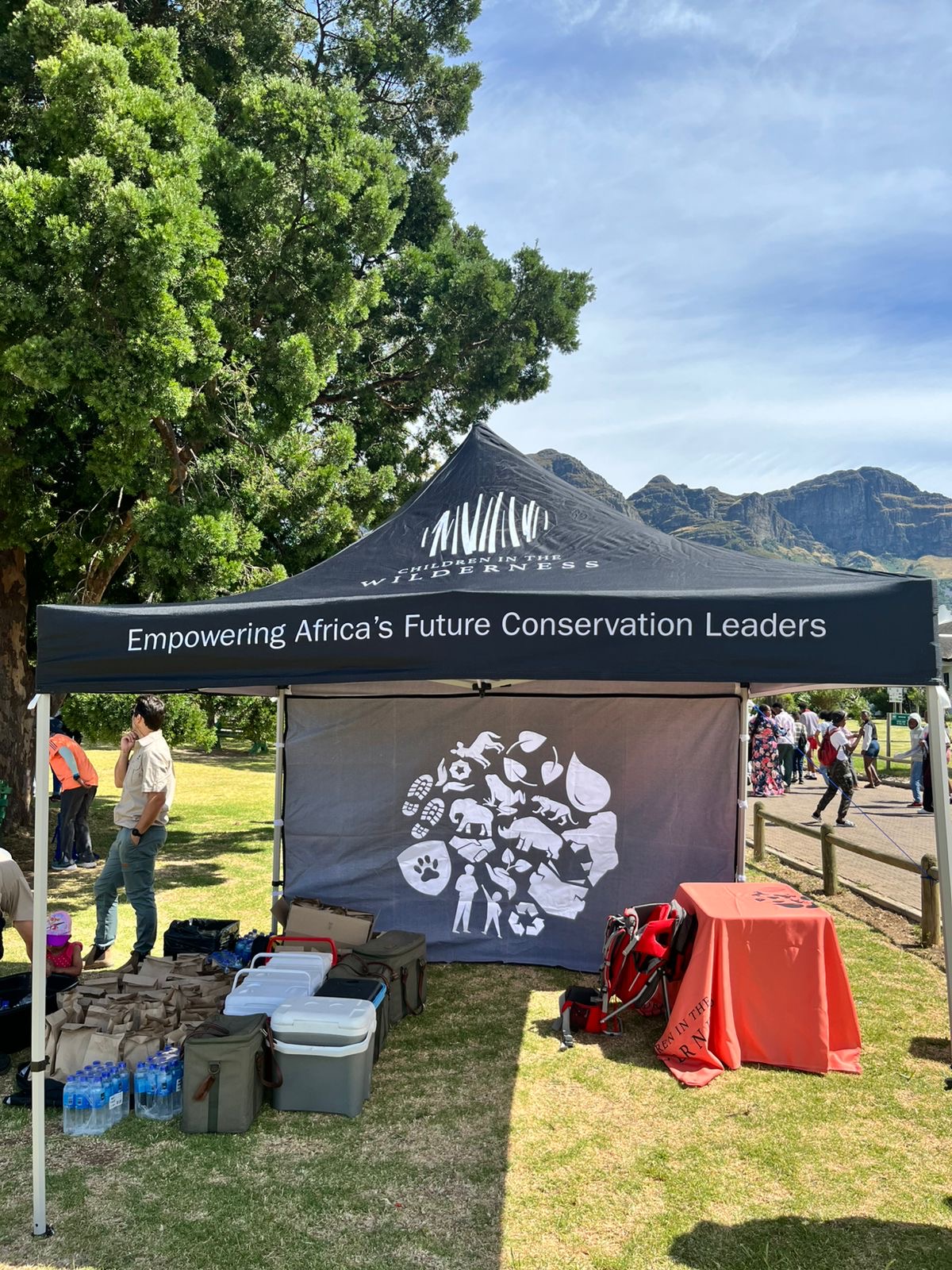
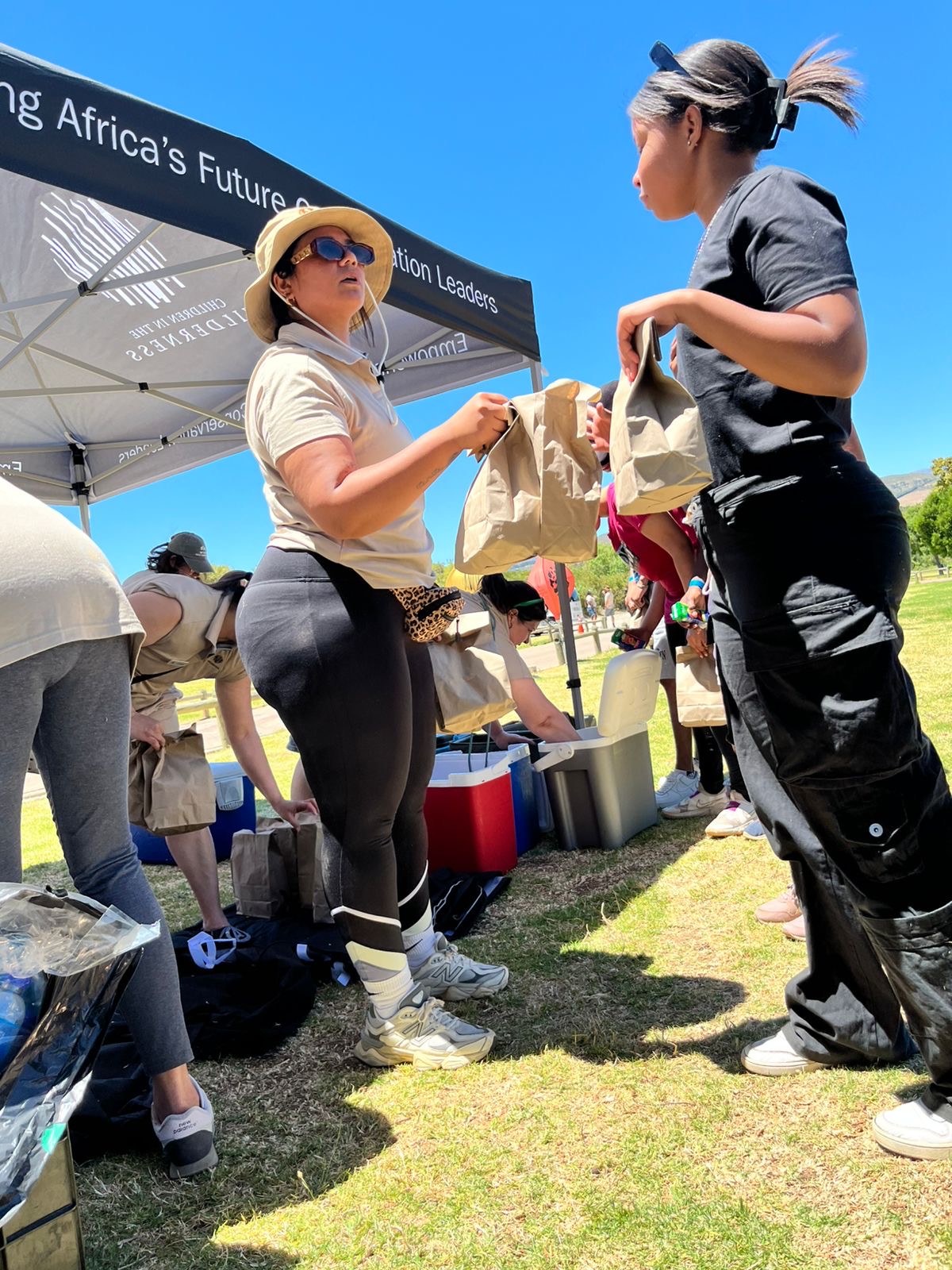
Touring’s General Manager, Michelle Reyneke, and Brendan McCarthy, Operations & Product Manager, got busy with all the wonderful Wilderness Cape Town office volunteers in setting up an epic picnic lunch for the learners to satiate their grand appetites after their nature hike.
“This partnership is an amazing connection between our NGO, Ingcungcu, and Wilderness, a commercial giant in the conservation space. Now we are not only connecting pollinating corridors and children to nature, but we are connecting an NGO and commercial enterprise for the greater good of everyone and these ecosystems”. ~ Joel Simons, Ingcungcu School Eco-Club Programme
The inspired leadership that Joel brings to the Eco-Club programme is underpinned by a personal crusade to see the creation of equitable spaces within Cape Town city, where all its citizens can revel in the marvels of the natural world.
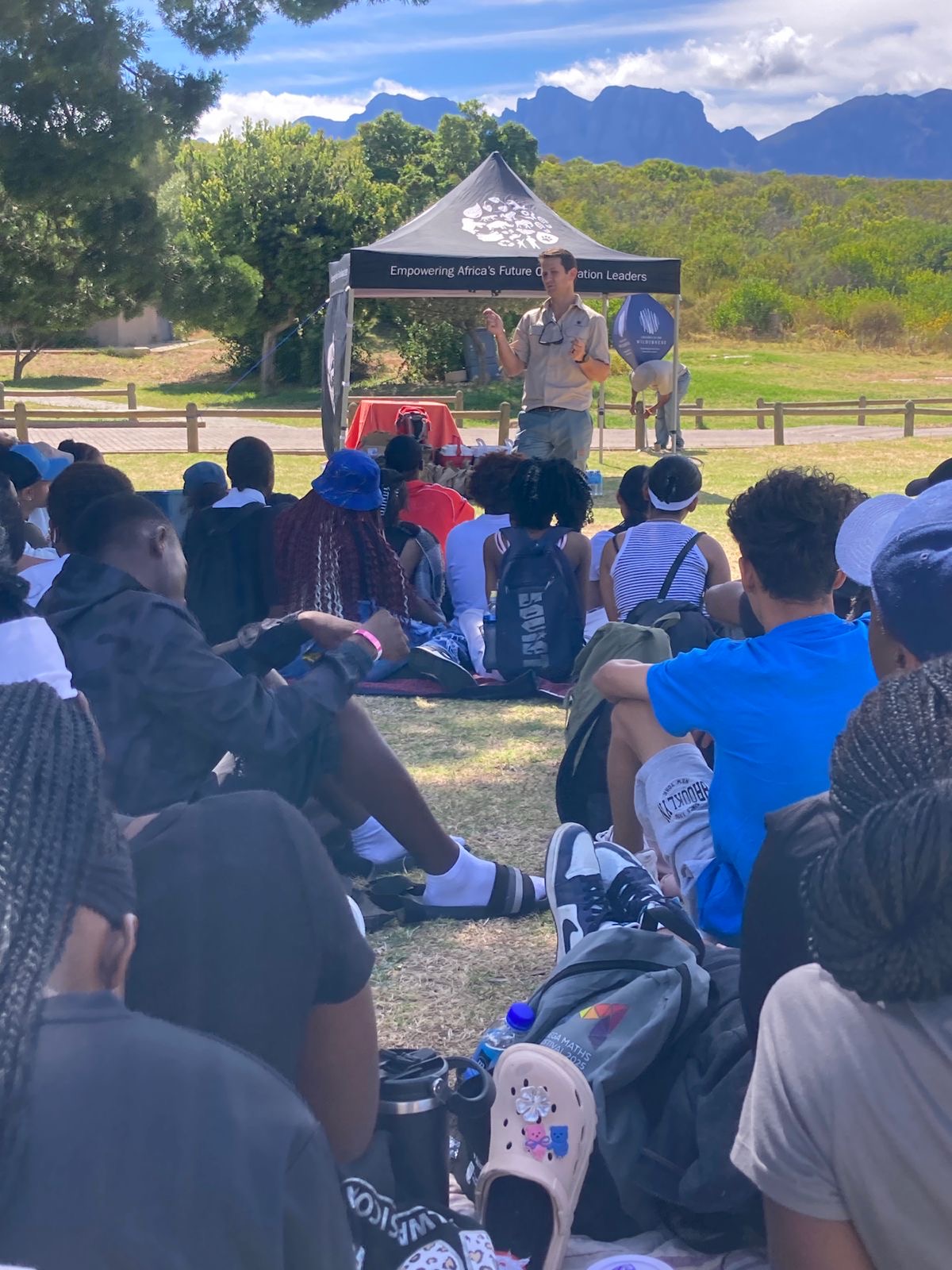
After the hike, the learners tucked into their picnic packs, and the annual certification ceremony was rolled out for all the Eco-Club participants. Vince Shacks, Wilderness Group Head of Impact, presented to the learners on the parallels between Ingcungcu’s mission in restoring pollinating networks and Wilderness’ mission to connect wildlife corridors across much larger landscapes in Botswana, Kenya, Namibia, Rwanda, Tanzania, Zambia and Zimbabwe. Where Ingcungcu is restoring fragmented habitats in the Cape Fynbos biome, Wilderness is restoring and reconnecting large landscapes across millions of acres of land in various Critically Endangered ecosystems across Africa.
As important as pollination restoration in fragmented habitats is, the really exciting success of the Ingcungcu project is measured by the positive engagement and energy the Eco-Clubs produce amongst the learners. It’s no secret that a correlation exists between the amount of nature people experience and their degree of conservation-mindedness (Soga and Gaston, 2016), and we are proud to say that biophilia is growing along with the gardens at some schools in the Cape Flats.
Vince further elaborated on the Children in the Wilderness programme, and its aim to empower Africa’s future conservation leaders. This resonated strongly with the learners who are champions of conservation within their own communities… Perhaps one day we will see some of these learners flexing their work wings within Wilderness and other conservation spaces!
The reserve’s rich fynbos vegetation, diverse wildlife, and scenic mountain landscapes gave learners a hands-on experience of topics they usually only read about in their textbooks. By being surrounded by rare and threatened species, learners gained a deeper appreciation for environmental protection, and certainly developed a stronger connection to nature during the annual field trip.
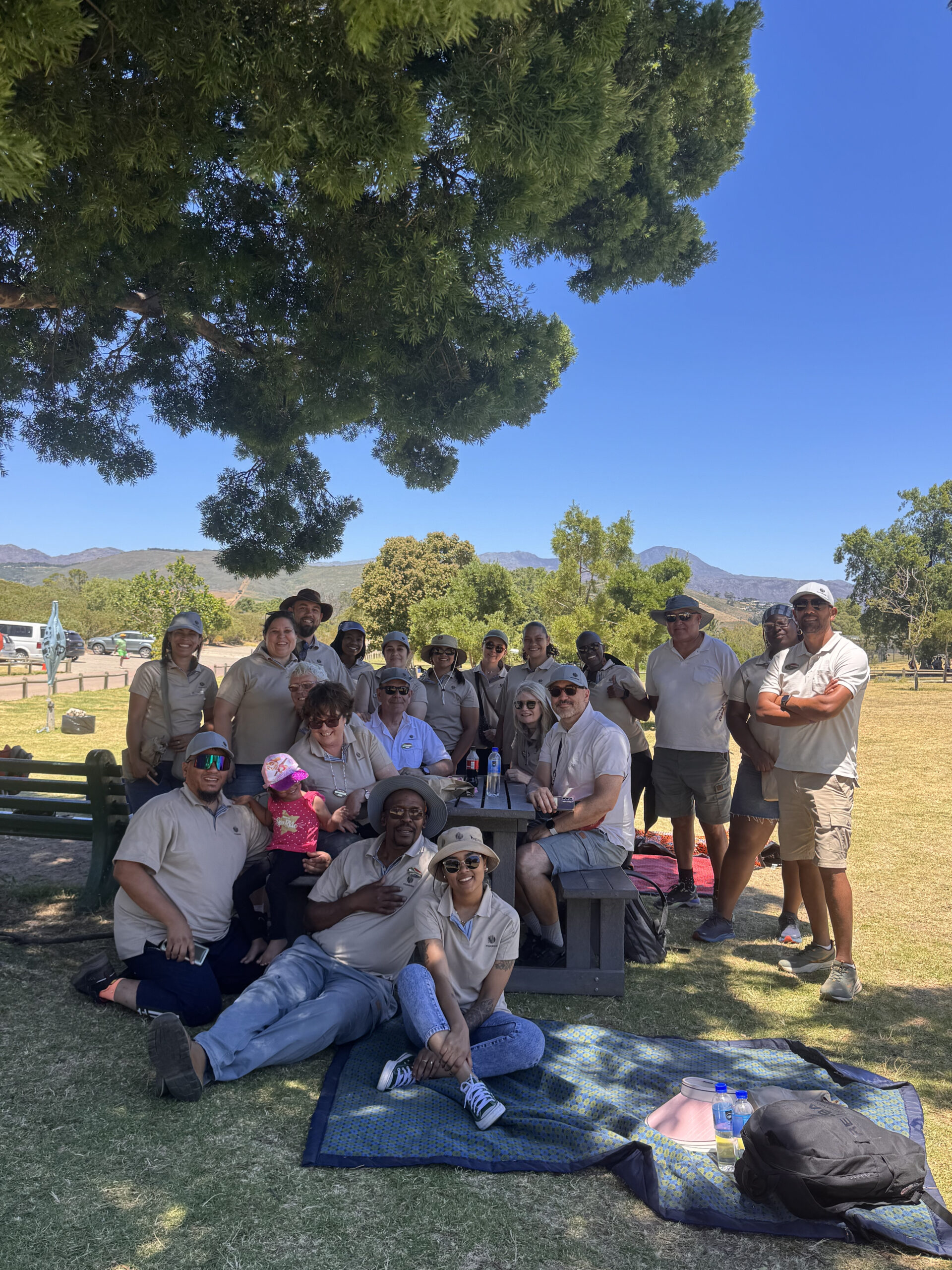
A special thanks goes to the 20 volunteers made up of Wilderness Cape Town office staff and Wilderness Touring guides, for spending their time inspiring future leaders of conservation in Cape Town and beyond… we’re already looking forward to next year!
Craig Glatthaar is Wilderness’ Head of Sales for the Americas. His love for the wilderness began at a young age growing up in South Africa, where his early years were mostly spent outdoors, catching snakes, frogs and colds. When not outside, he was virtually entombed by wildlife books. This naturally led to him guiding guests through Africa’s wild places and instilled in him a thirst for knowledge of the natural world. His studies began with a degree in Ecotourism Management in Cape Town, and he has since attained his Masters in Conservation Science, as well as a Nature Conservation Certificate (FGASA) from the North-West Parks & Tourism Board.