Growing Together with my Forest
Based on the theme of ‘growing together with my forest’, to mark the beginning of the 2025/6 school term (January–April), 600 different species of trees were planted by Children in the Wilderness Malawi (CITW) Eco-Club members at joint meetings held between January 14 and 31. Across our three zones, each of which has five Eco-Clubs with a total of 443 Eco-Club members, the trees were planted in the school grounds and at the children’s homes.

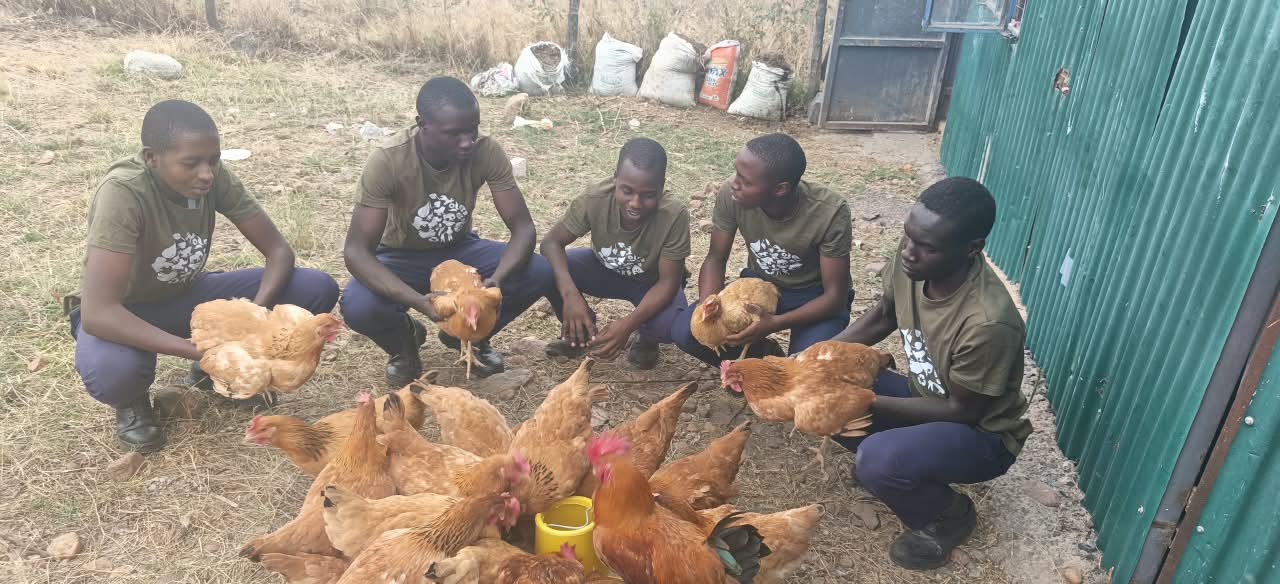
These joint meetings, held at the beginning and end of each school term, are proving to be the best way to bookend CITW school-based lessons and activities. The children are energised, and get back into ‘CITW mode’ quickly as they start their school activities. Through the Eco-Clubs, they are also championed to continue practicing CITW lessons in their respective villages when they leave for the school holidays.

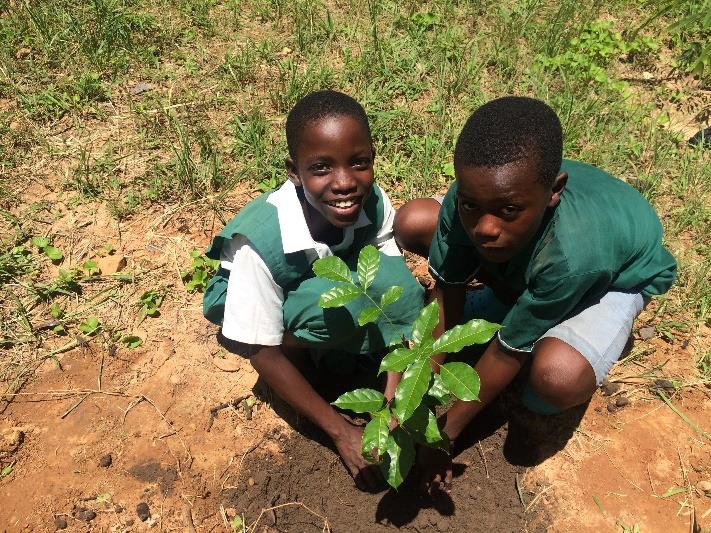
Eco-Club members planting and caring for their saplings
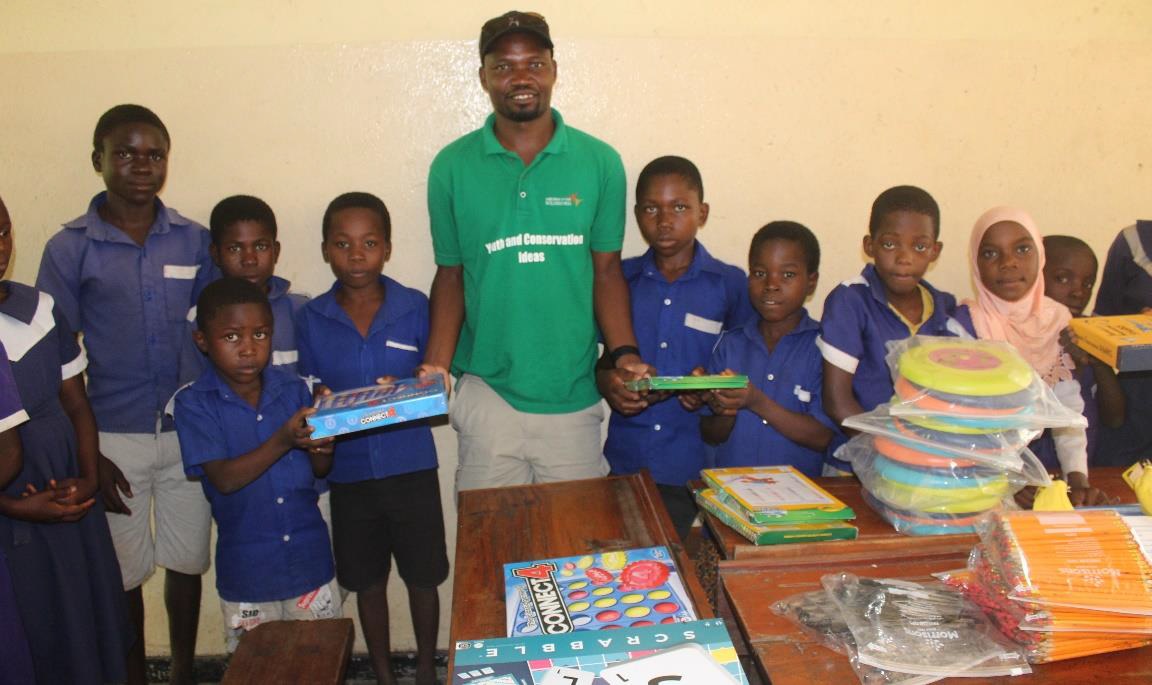
Former Eco-Club member Chimwemwe Kafulusa with Pack for Purpose donations for Nanthomba Eco-Club
Reforestation in Action
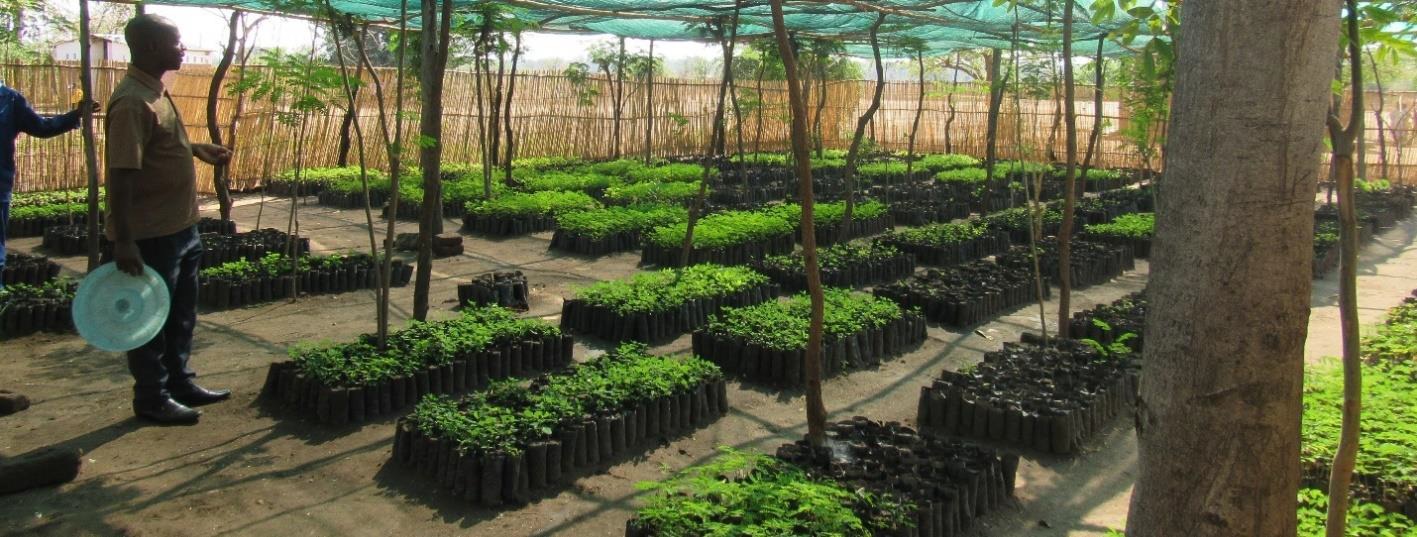
CITW Malawi runs two tree nursery sites. Each has the capacity to raise 20,000 different species of trees in a year. It is at these centres that the children learn about, and participate in, reforestation projects organised by our partner primary school teachers and local forestry experts.
One major discussion point during the zonal joint meetings covered how to care for the planted trees to ensure a 100% survival rate. One of the proposed solutions was to take up the issue of livestock damaging the planted trees with the local village leaders.
Regular Secondary School Student Visits
During January, Symon (CITW Malawi Programme Co-ordinator), together with the Zone Programme Co-ordinators, reached out to over 120 sponsored (scholarship) students.
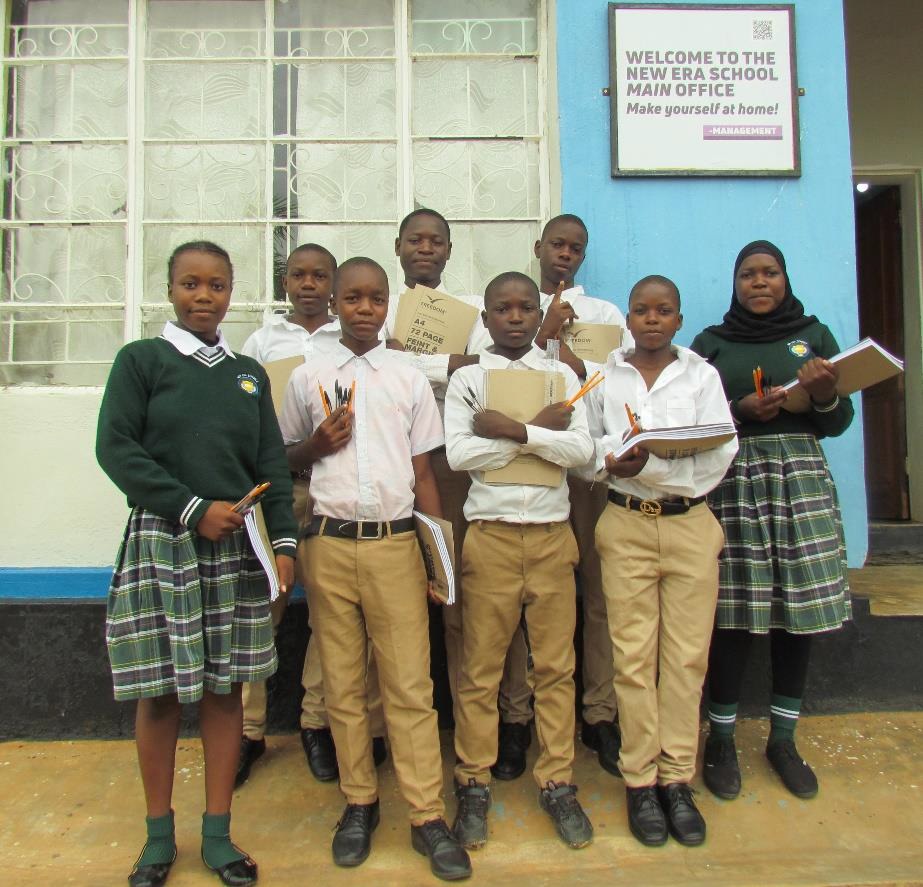
Nine sponsored students attend New Era Private Secondary School, though unfortunately one of the learners was not well, and did not participate in Symon’s get-together
All the sponsored students received school supplies and were encouraged to work hard in their studies. These secondary school CITW members are former Eco-Club members who have graduated from primary school. During their school holidays, they meet at Youth Environmental Stewardship Programme (YES) clubs, and also initiate and participate in local village conservation projects, while helping to run Eco-Club activities in the primary schools that have these environmental clubs.
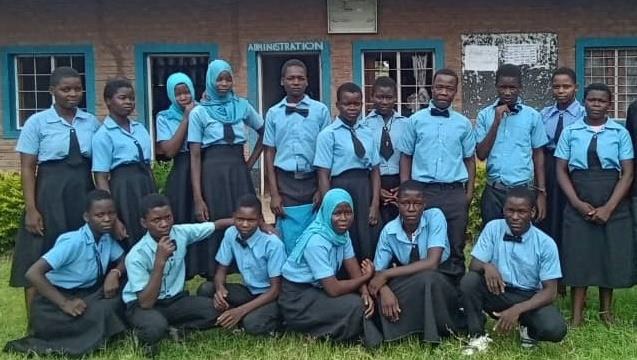
Masanje Secondary School CITW YES programme members
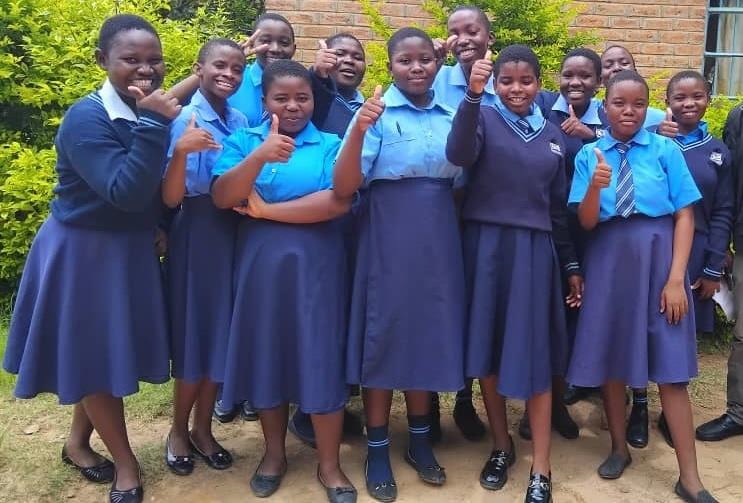
Bandawe Secondary School CITW YES programme members
Tertiary Student Visits
Symon also visited some of the CITW YES Club members who are studying for their Bachelor’s degrees in various fields, focusing on the reforestation theme.


Caroline Kamanga, B.degree in Taxation & Economics | Catheline Medson, B.degree in Midwifery Nursing
This top level of CITW youths includes university graduates who are now working professionals, as well as those who are pursuing their Master’s degree studies. One of their main areas of attention, in line with continuing the momentum they have received from the CITW programme, is social and environmental policy analysis.
Currently they are working on the Malawi National Policy for Wildlife Conservation, with a special focus on Collaborative Wildlife Conservation Strategy. Their next national meeting is scheduled to take place on 20 February 2026 at Central African Wilderness Safaris’ Mvuu Wilderness Camp in Liwonde National Park.
Having been positively influenced by their time with CITW, most of them now also volunteer as mentors at the children’s and youth environmental education camps that held annually, also working with the Zone Programme Co-ordinators to review and update the CITW curriculum for Eco-Clubs in primary schools, and YES-Clubs in secondary schools.
Meanwhile, on their vacations, these university and college students participate in various environmental awareness events that are related to CITW, and contribute to their local communities’ social and environmental development planning agendas. In most of the rural areas where CITW operates, as academic achievers, these youths are important role models, encouraging their younger colleagues to work hard at school, and aim for the highest qualifications. The impact of their mentoring is well evidenced in the communities where they have grown up.
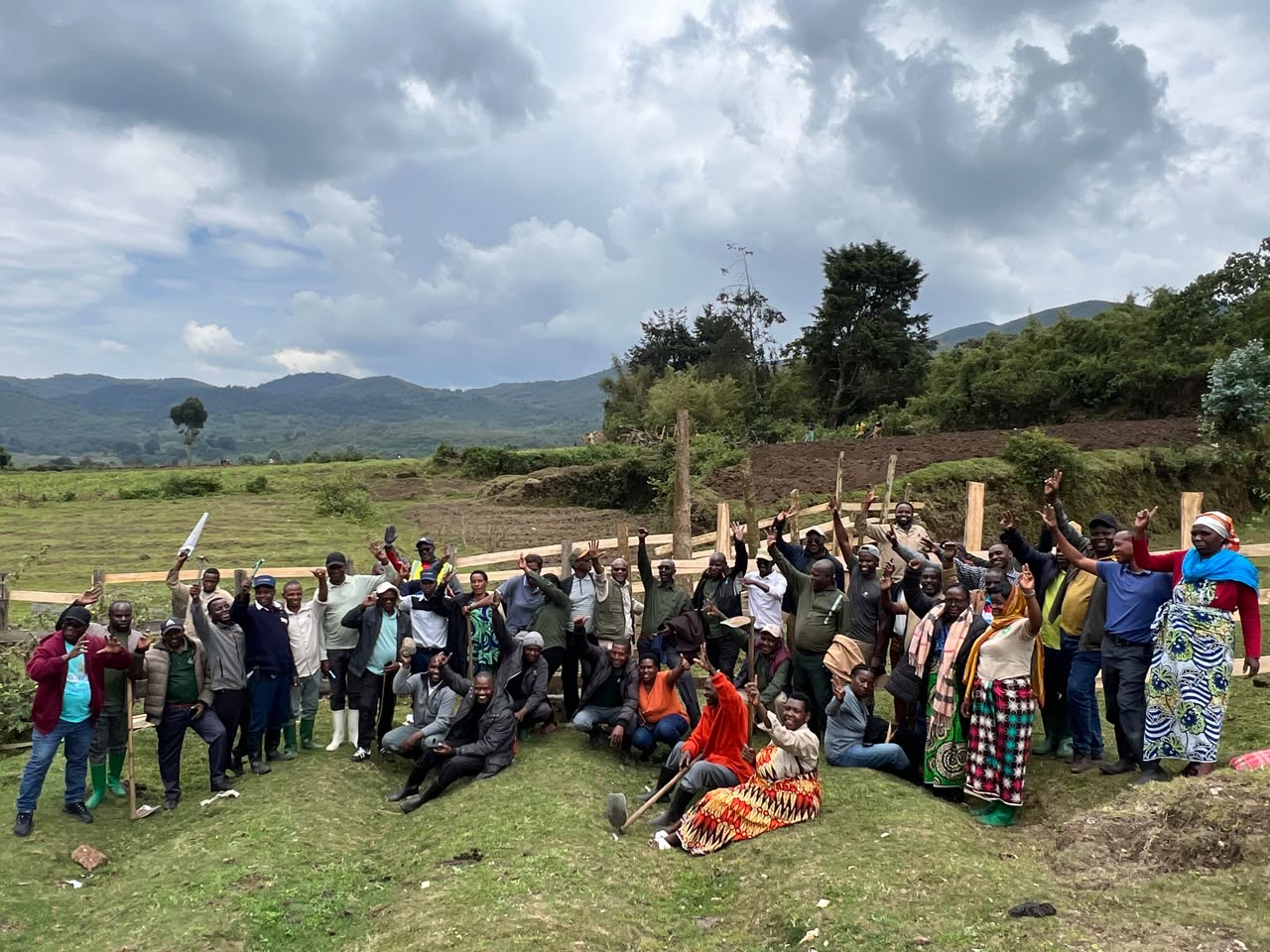
All the participants in the joint meetings in January discussed the importance of forests, and their roles in caring for the trees, as well as their roles in participating and supporting conservation efforts in their communities.
CITW also proposed possible initiatives and projects that provide opportunities for the children and youth to participate in. These included environmental educational camps, open day awareness events, and youth workshops, which will now be actioned to take place before December 2026
Compiled by Symon Chibaka – CITW Malawi National Programme Co-ordinator | 31/01/2026
CITW Malawi – Facilitating Sustainable Conservation Through Leadership Development