Wilderness Zambezi & Children in the Wilderness (CITW) Communities Co-ordinator Sue Goatley reports on some of the transformative projects established for rural women in Zimbabwe.
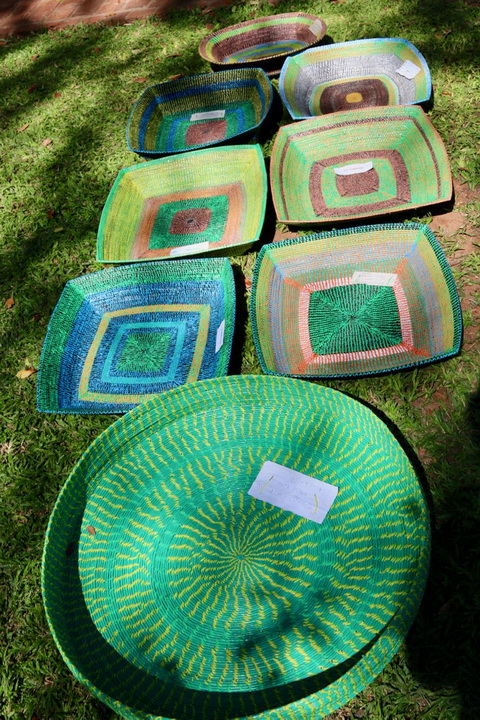
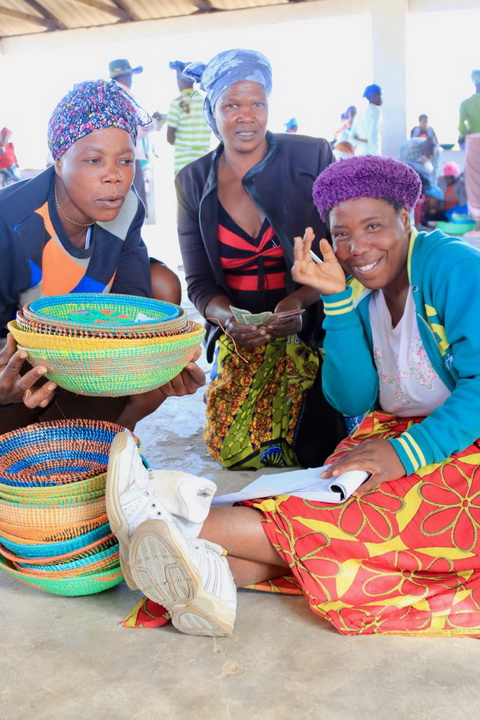
Several income generating projects are assisting with economic growth and poverty reduction in remote northern Matabeleland. A lack of consistent and reliable livelihood options has led to high levels of poverty in this area, where communities rely on subsistence farming. However, erratic rainfall and Kalahari Sand soils that lack nutrients make for low yields and very seasonal harvests.
Raising livestock such as cattle and goats is reasonably successful, but can be plagued by disease, making this unreliable at best. With an average household monthly income of USD9, and most households having between five and eight members, many families struggle to provide for their basic needs, and the majority cannot afford to send their children to school.
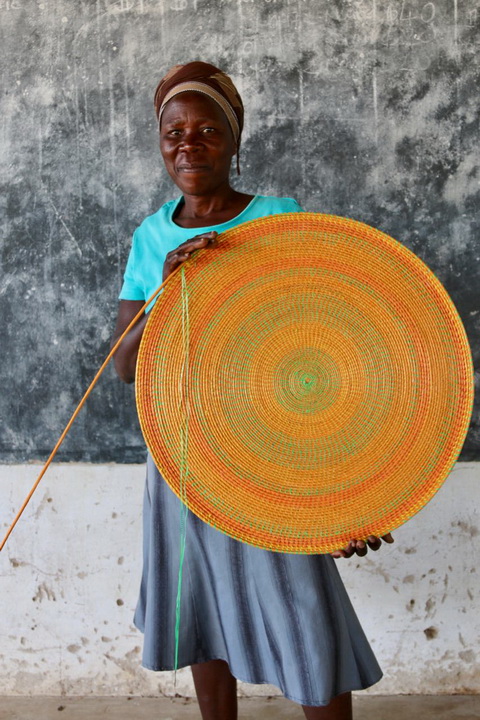
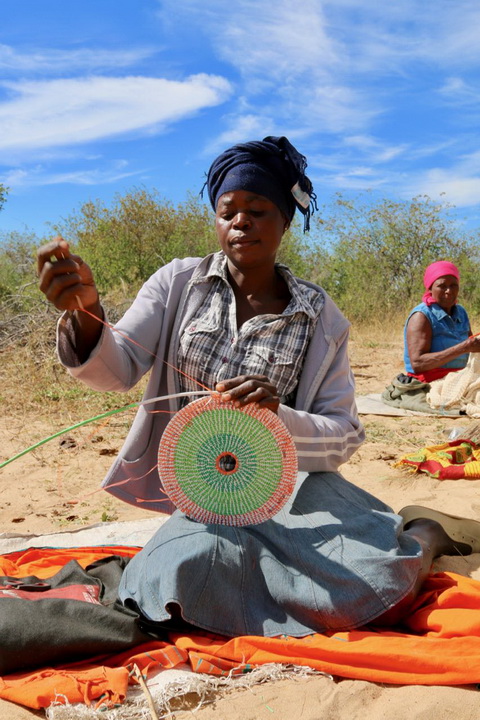
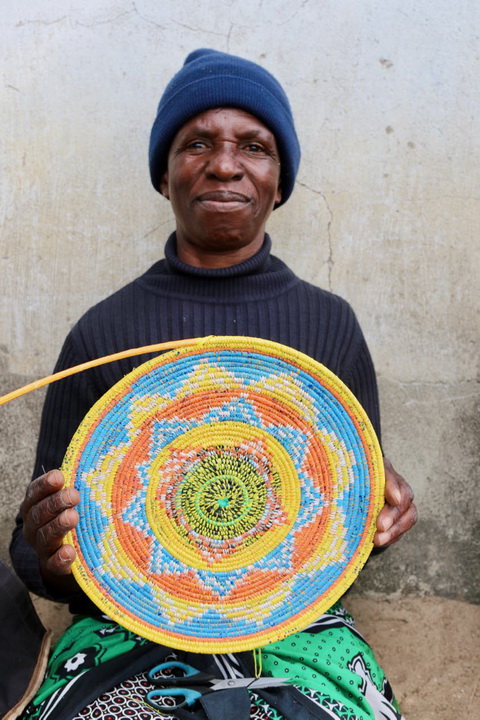
To diversify livelihood options and reduce poverty in these communities, Wilderness and CITW have assisted with the creation of 11 women’s income generating groups in the Tsholotsho area outside of Hwange National Park. These allow the women to utilise their creative skills by making unique products that can be sold.
As part of the establishment of these groups, the women attended workshops on household budgeting and managing a small business. This ensures that groups like these are sustainable into the future, with self-management and motivation that should lower the need to rely on CITW for ongoing support.
War on Waste Project
Innovative ideas using plastic waste have been incorporated into the women’s traditional skills in basket-weaving. This has resulted in marketable products, instilling pride in their local culture and encouraging women to work together, cultivating a sense of teamwork and community cohesion.
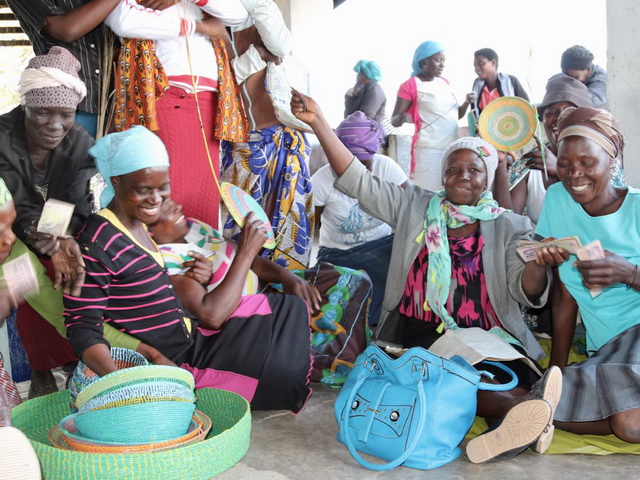
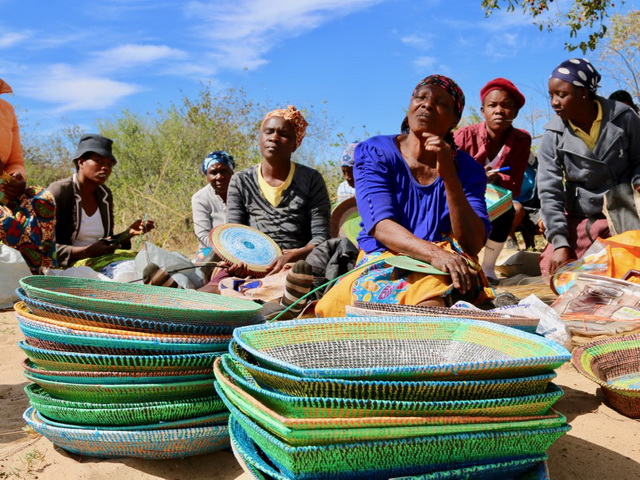
This project also provides a method of responsible recycling and the reduction of plastic waste, which is an ongoing problem, in spite of these being remote, rural areas. Plastic waste is collected in and around the communities by both adults and children; it is then cleaned and used in their basket-making, enhancing the products with the vibrant colours found on confectionary wrappers and other plastic packaging and bags.

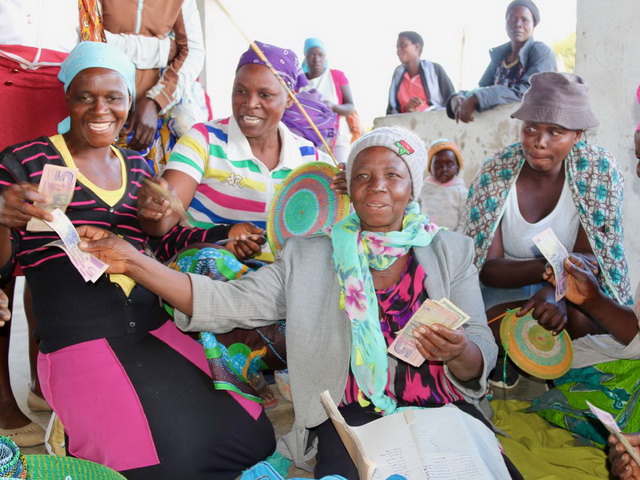
This results in products with unique designs that individuals and businesses such as lodges are able to use in their décor. Children in the Wilderness markets the products to businesses around Victoria Falls and Hwange National Park to increase selling potential, and Wilderness displays stock in camps for guests to purchase.
Some of the products made by these groups so far include baskets, placemats, coasters, trays, and lampshades. Such has been the demand for these products, that plastic waste has become a scarcity in the villages! Now, the Wilderness camps in Hwange sort their plastic waste and deliver plastic bags, maize meal, and vegetable and rice sacks to the ladies weekly.
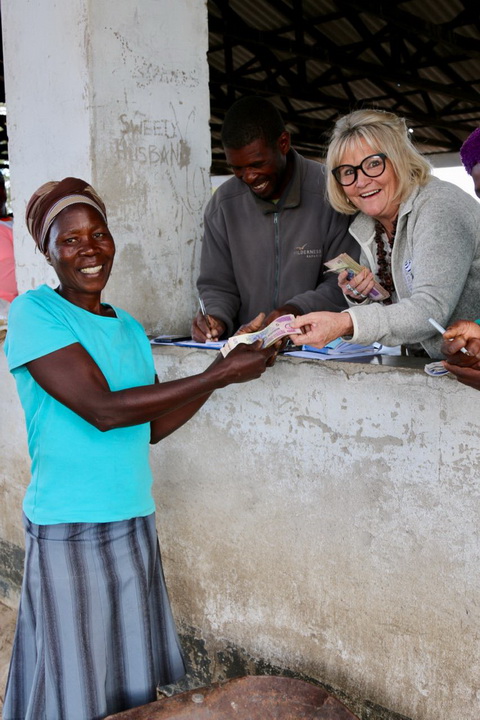
The income the women receive for their work helps greatly towards feeding and clothing their families, as well as paying for school fees. This ensures that children can continue with their education, and teachers can be retained. Using locally made products not only empowers the local communities and assists with economic growth and waste reduction, but also showcases to Wilderness guests the local talent and the importance placed on community upliftment.
All images kindly supplied by Liz Lane ©