Building the next generation of environmental educators in Tanzania
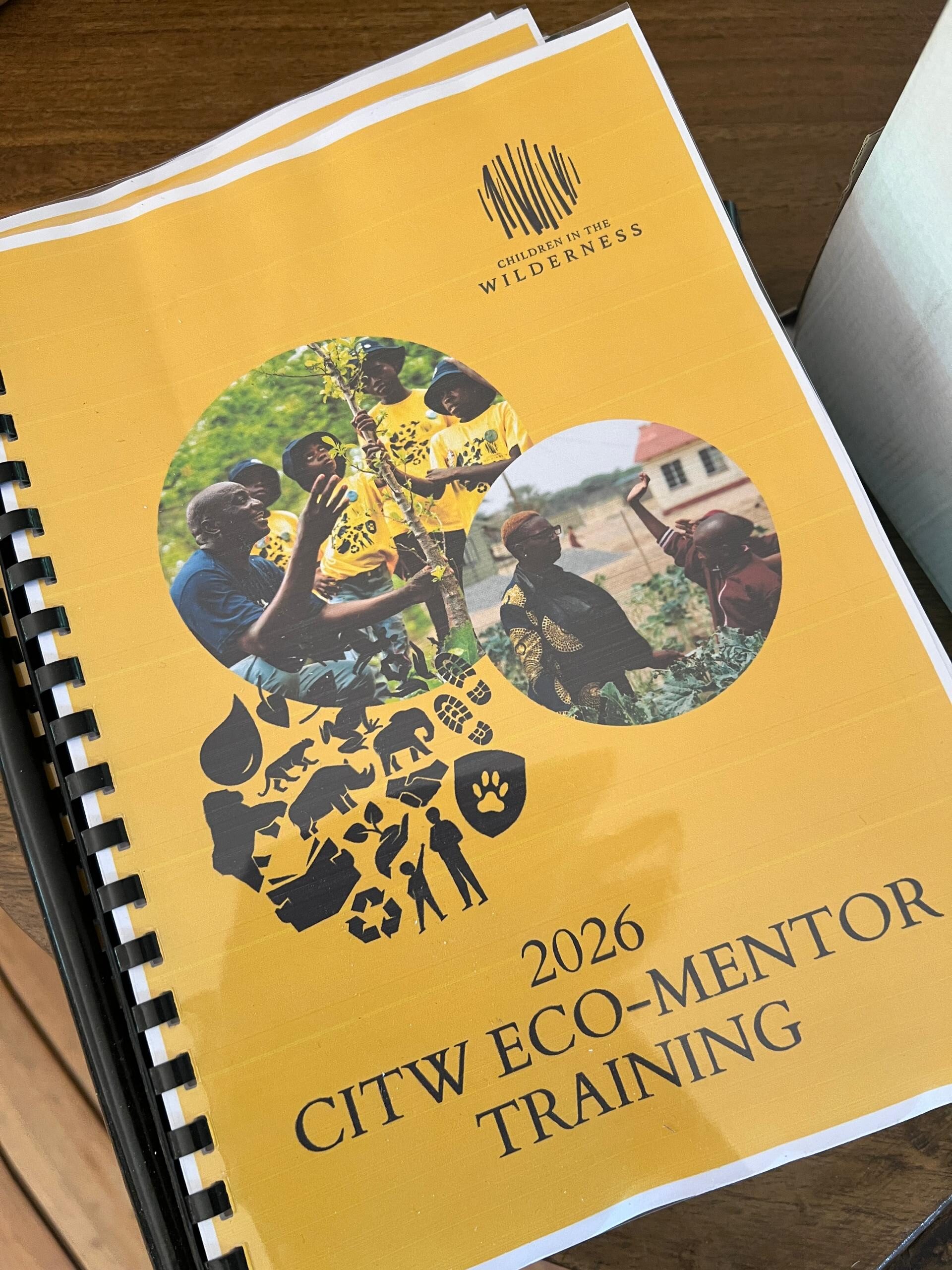
In March 2026, Children in the Wilderness Tanzania hosted a three-day Eco-Mentor Training at Wayo Manyara Green Camp, bringing together teachers, community members, and camp staff from Wayo Africa and Wilderness.
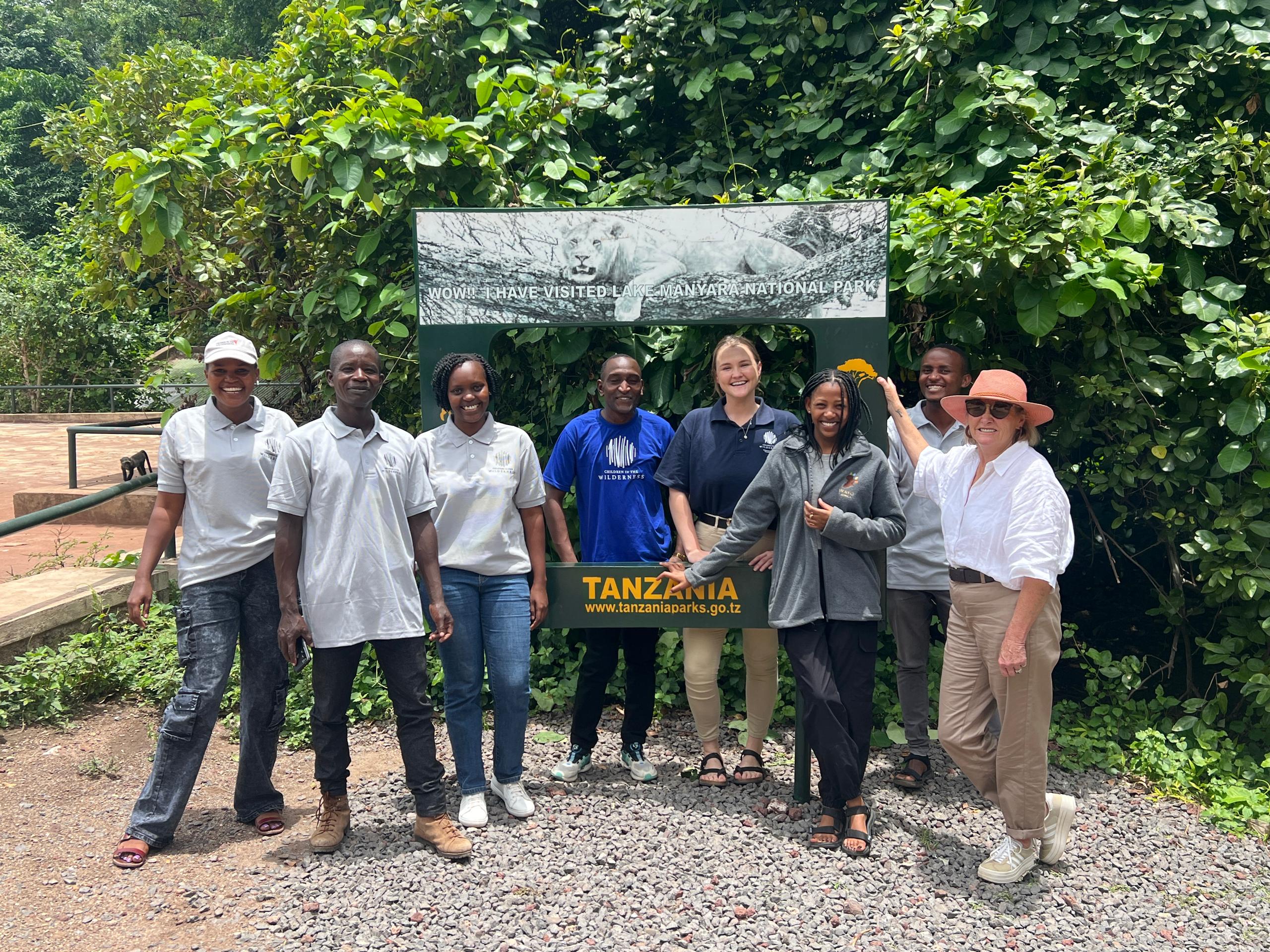
The Eco-Mentor Training programme is designed to develop local environmental leaders by strengthening their knowledge of conservation, building confidence in environmental education, and equipping them with the skills needed to implement impactful projects within schools and communities.
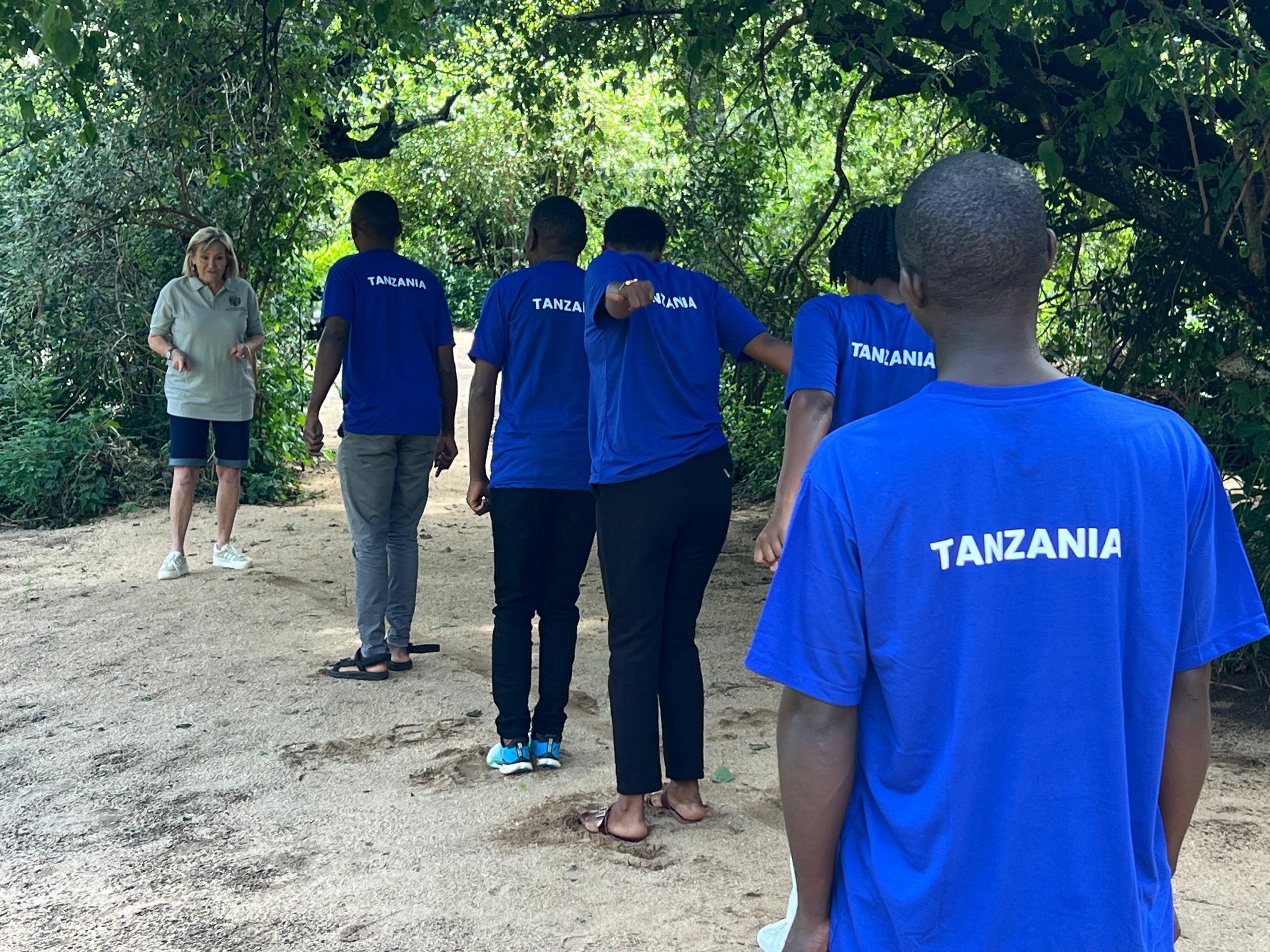
Across many rural regions in Tanzania, there is a significant shortage of specialised environmental education training for teachers and community leaders. The Eco-Mentor Training directly addresses this challenge by providing practical tools and engaging learning experiences that mentors can take back to their schools and villages.
Learning in the wild
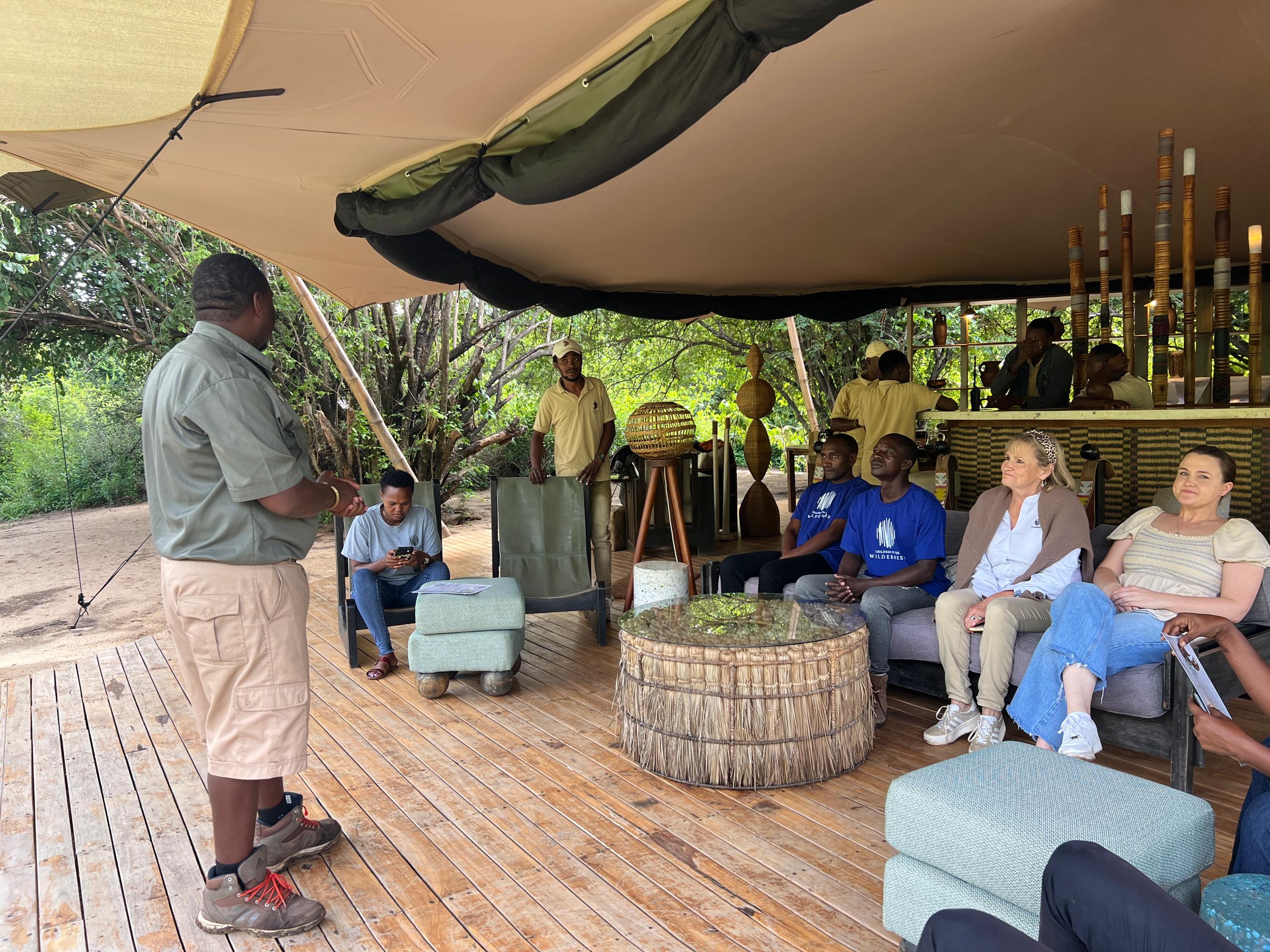
Hosting the training at Manyara Green Camp, located inside Lake Manyara National Park, created an incredibly powerful learning environment. Participants were immersed in nature, giving them first-hand exposure to the wildlife and ecosystems they teach about in their classrooms and communities.
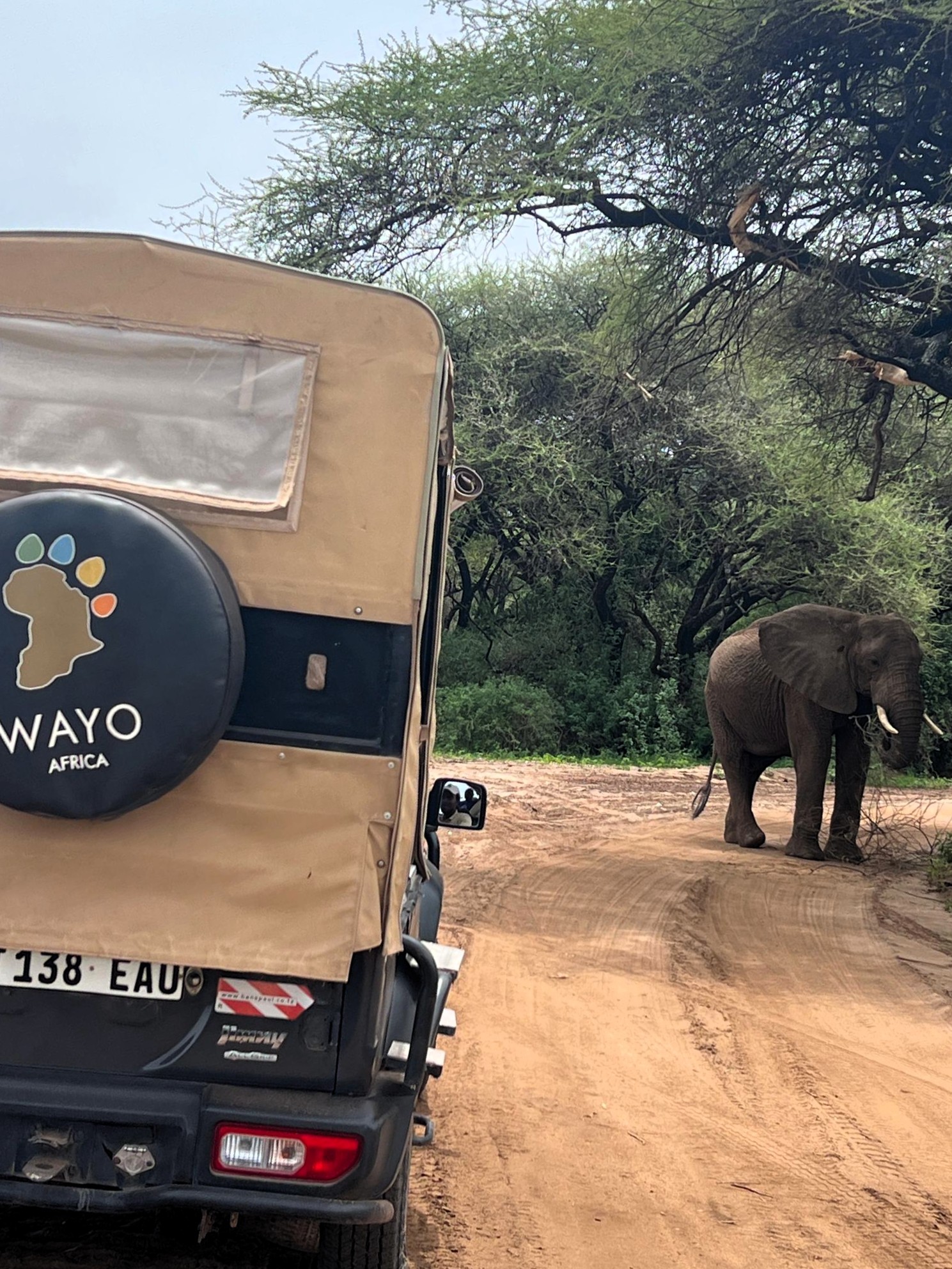
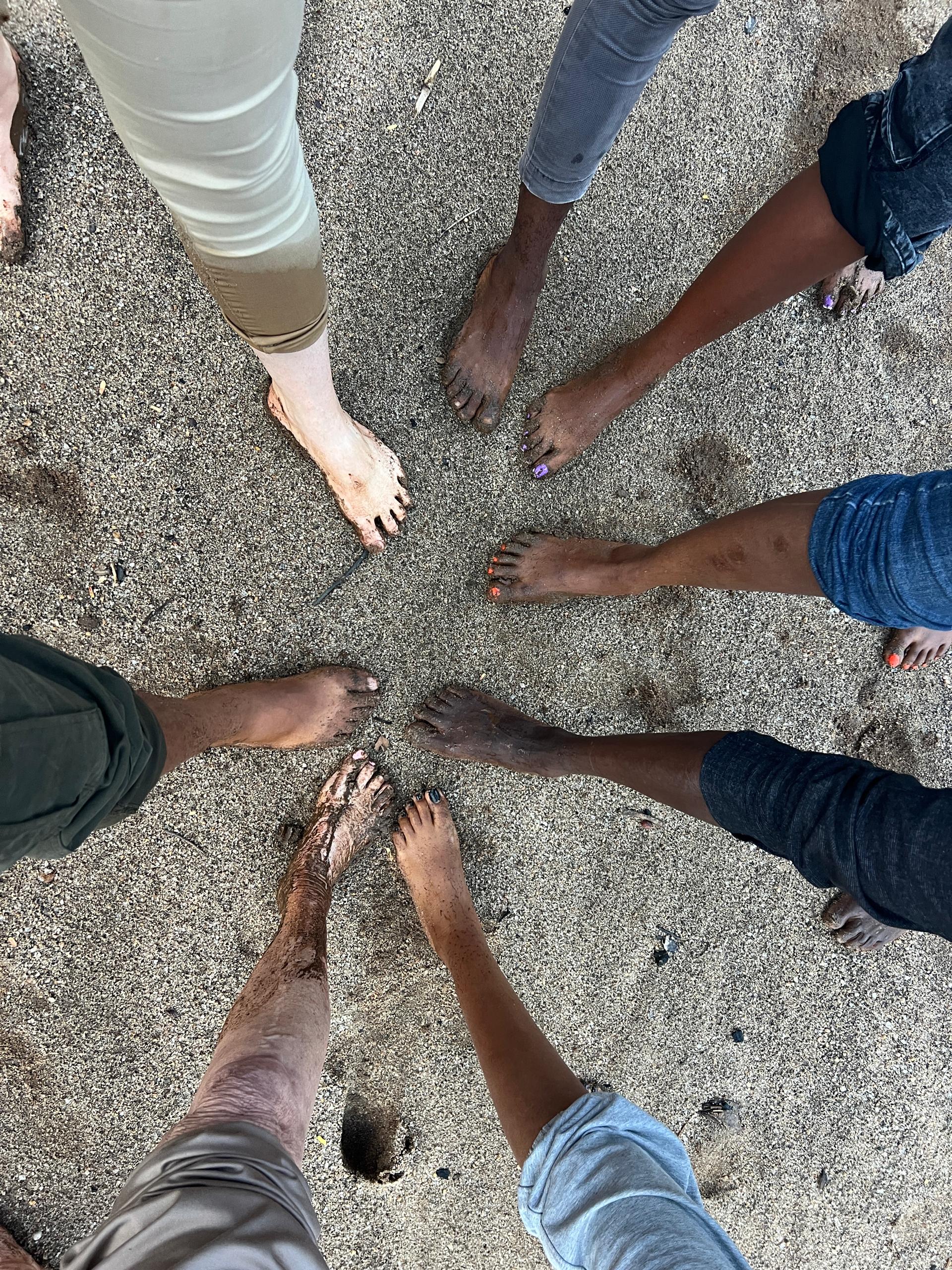
This setting transformed the training into a truly experiential programme. Mentors learned not only through classroom-style sessions, but through game drives, nature walks, and observation activities, connecting theory with the living environment around them.

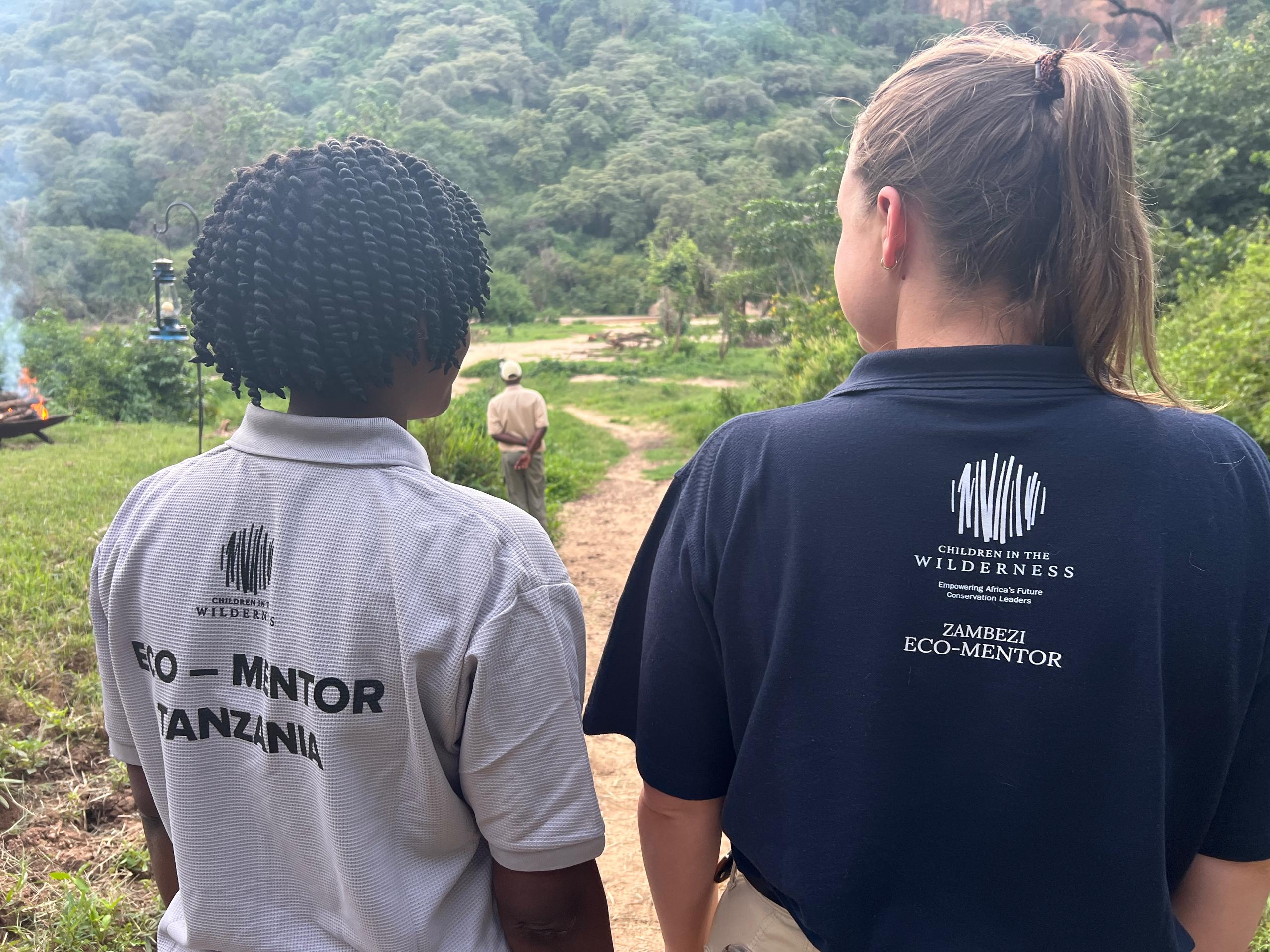
The camp staff and guides – many of whom come from nearby communities – also played an important role in supporting the sessions and sharing their own environmental knowledge.
Three days of interactive learning
The training followed a structured three-day programme designed to be interactive, practical, and fun.
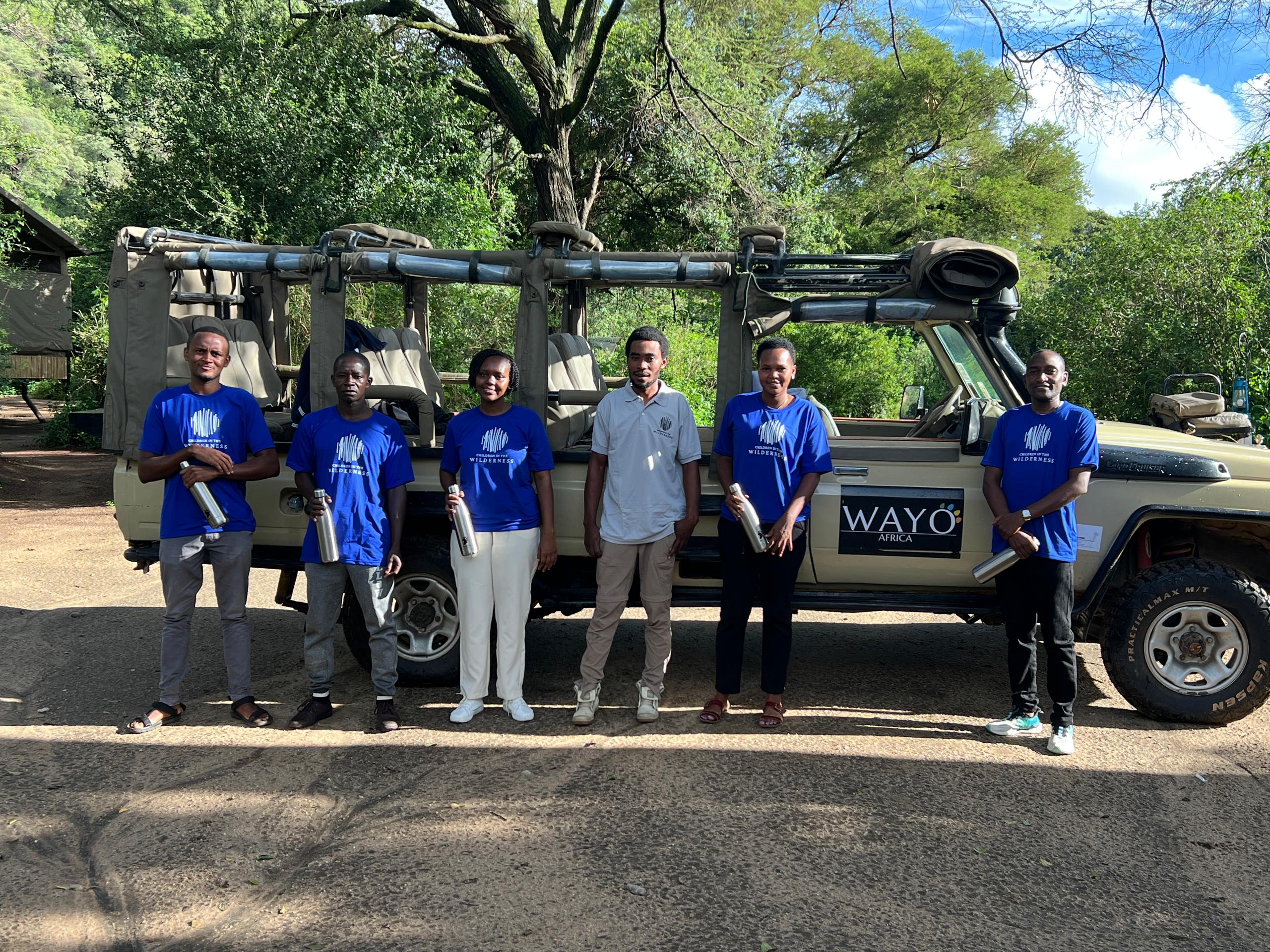
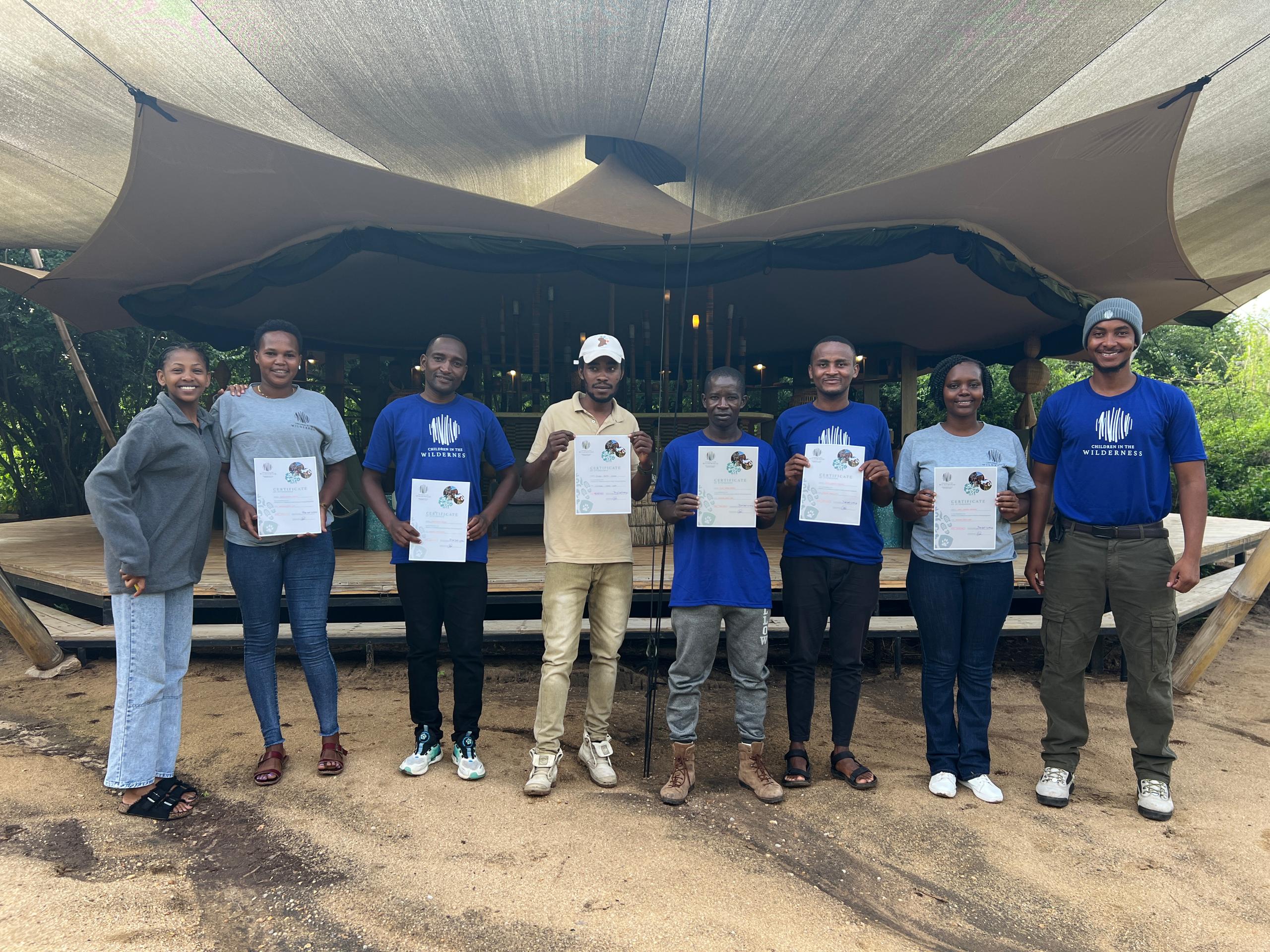
Participants began with an introduction to the Children in the Wilderness programme, including how to establish and manage Eco-Clubs and how to effectively use the CITW Eco-Club Resource Book. Teachers also completed a short evaluation to share what they hoped to learn from the training.
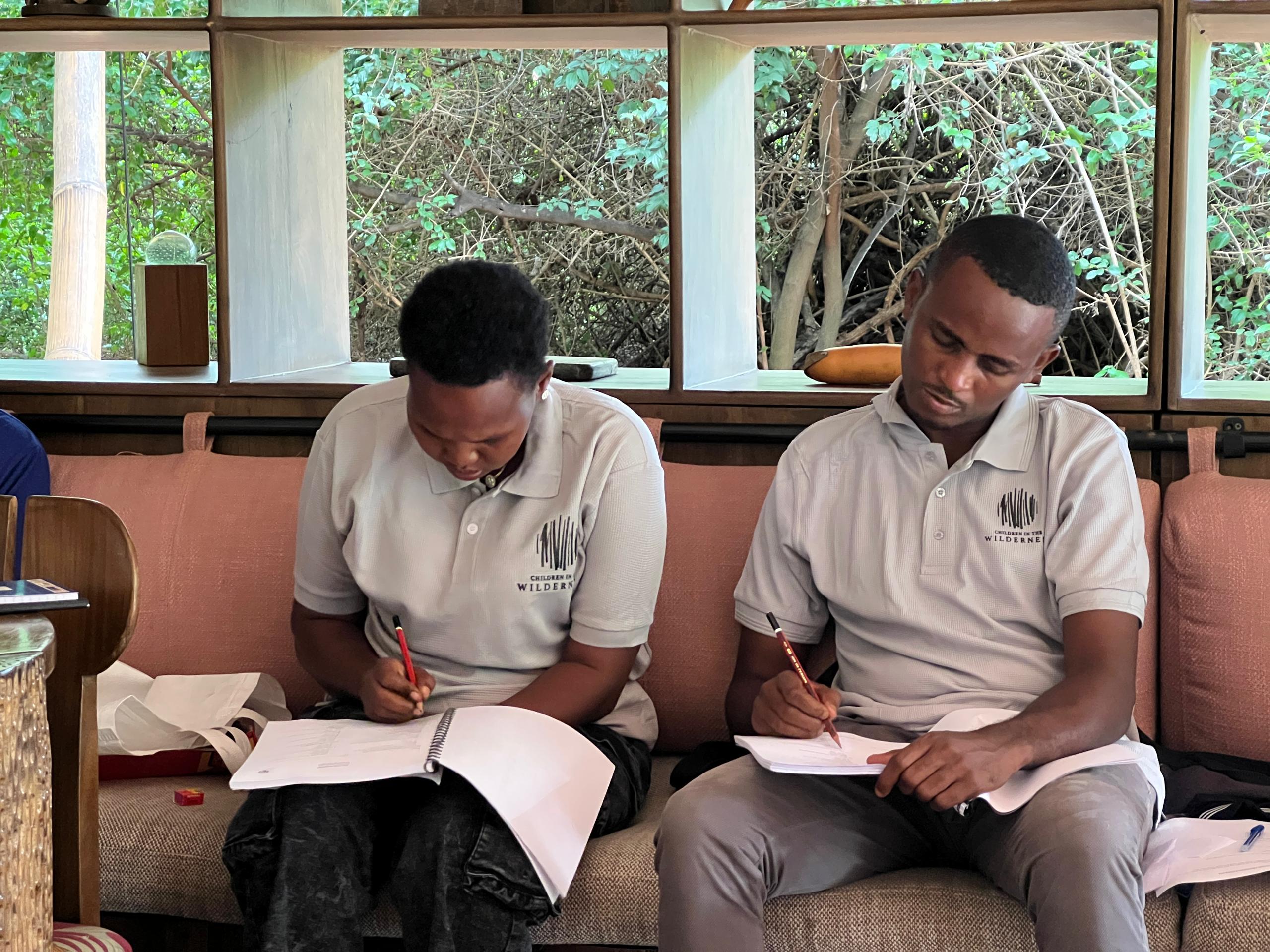
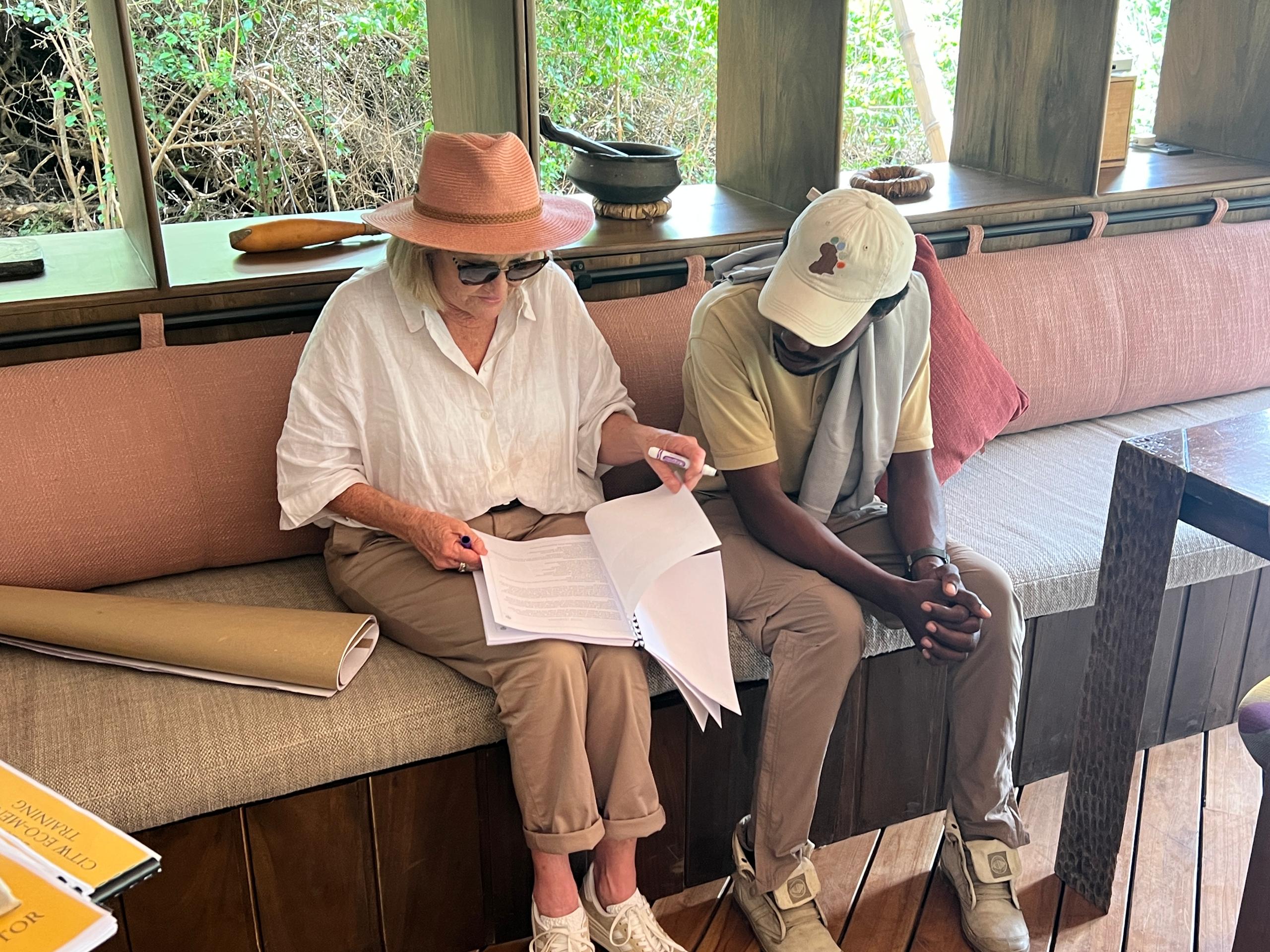

Throughout the programme, mentors took part in a variety of activities including:
· Game drives focused on bird ecology, exploring bird characteristics, beaks, and feet
· Flow learning environmental education techniques
· Nature walks focusing on insects and smaller ecosystem interactions
· Multiple intelligences teaching methods, helping mentors deliver lessons that engage different types of learners
· Group project design sessions, where participants created realistic environmental action plans for their schools and communities
· Reflection sessions, quizzes, and team activities, encouraging collaboration and shared learning
These sessions allowed mentors to practice new teaching approaches and explore creative ways of making environmental education engaging for students.
The heart of Eco-Clubs
The success of the Children in the Wilderness Eco-Club programme depends on the passion and dedication of trained Eco-Mentors.
Eco-Clubs operate in rural partner schools and follow a structured curriculum delivered through weekly sessions. These clubs create a space where learners who are interested in the environment can come together to learn, discuss, and expand their understanding of conservation and environmental issues affecting their communities.
Through Eco-Clubs, we are able to reach children consistently and inspire them to become future environmental stewards. Students who demonstrate strong commitment and enthusiasm in these clubs are also given the opportunity to be selected for Children in the Wilderness camps, where they take part in immersive conservation and leadership experiences.
Without the commitment and training of Eco-Mentors, programmes such as Eco-Clubs – and the wider environmental education impact they create – would not be possible.
Local leadership for long-term impact
One of the most powerful aspects of the programme is that many Eco-Mentors come directly from the communities we work with. Teachers, camp staff, and local guides become champions for conservation within their own villages.
By strengthening their knowledge and confidence, the Eco-Mentor Training ensures that environmental education is locally led, sustainable, and deeply rooted within communities.