Aline Umutoni, CITW & Community Manager for Wilderness Rwanda, reports from Volcanoes National Park on this year’s hugely successful annual Conservation Camps held in early August.
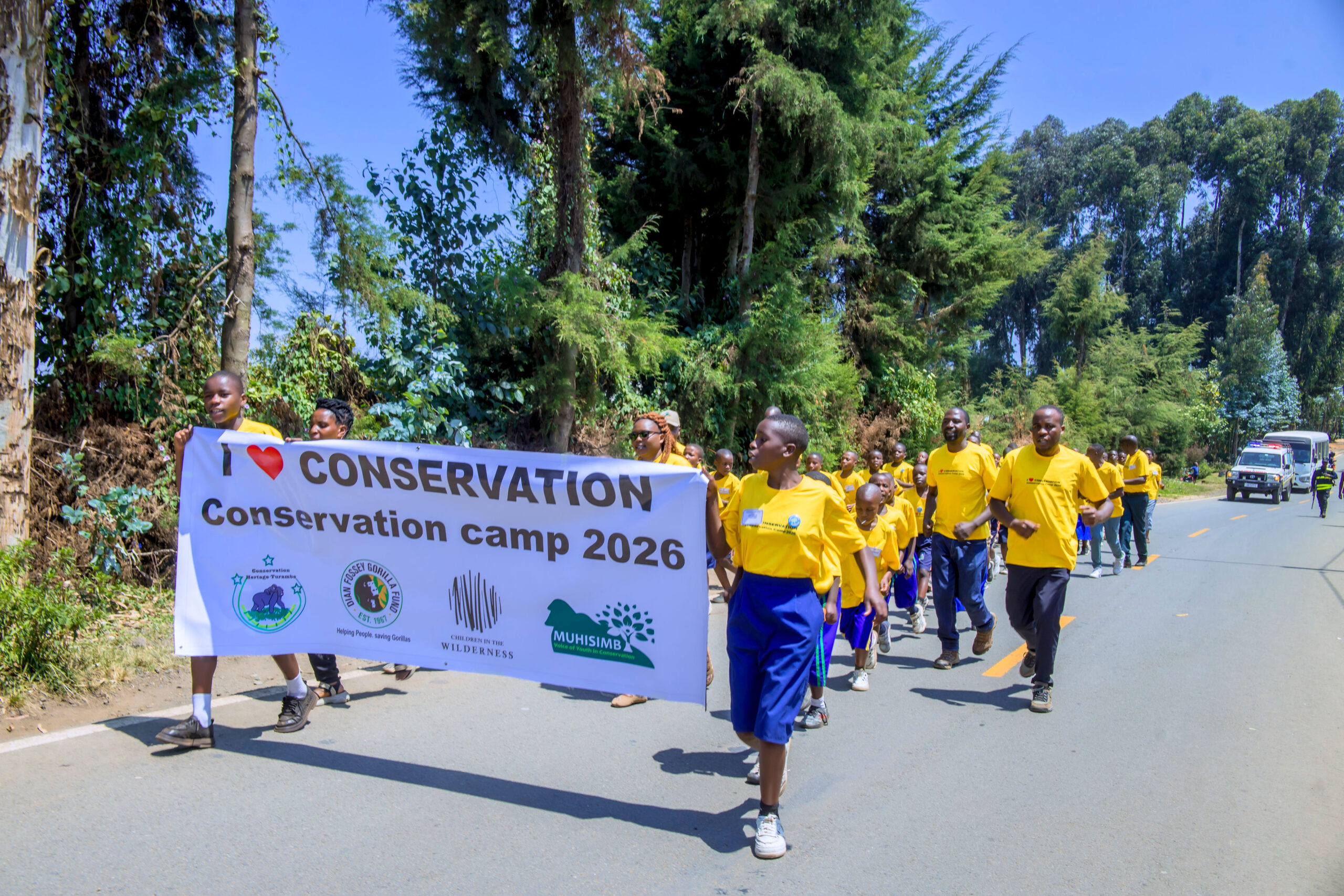
From 40 participants and four schools in 2019, the camps have grown to hosting 100 children from 10 schools in 2025 and 2026! What’s more, the parents joined their children on the last day of each camp this year, to see for themselves what the children have learnt.

All the camp participants are members of the Environmental Clubs at primary schools in the area, and were selected as they are the most motivated and best-performing, academically, at their schools.


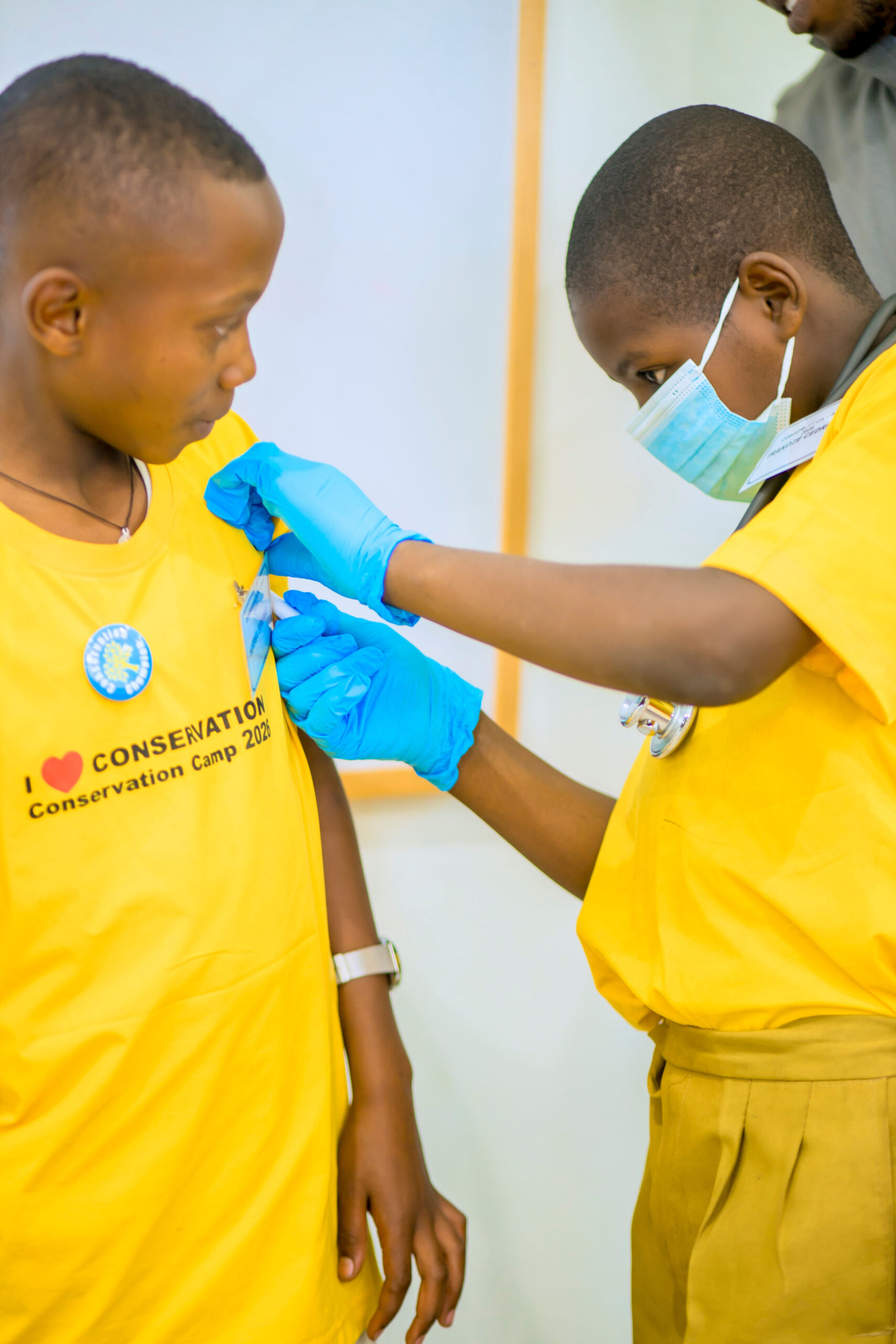
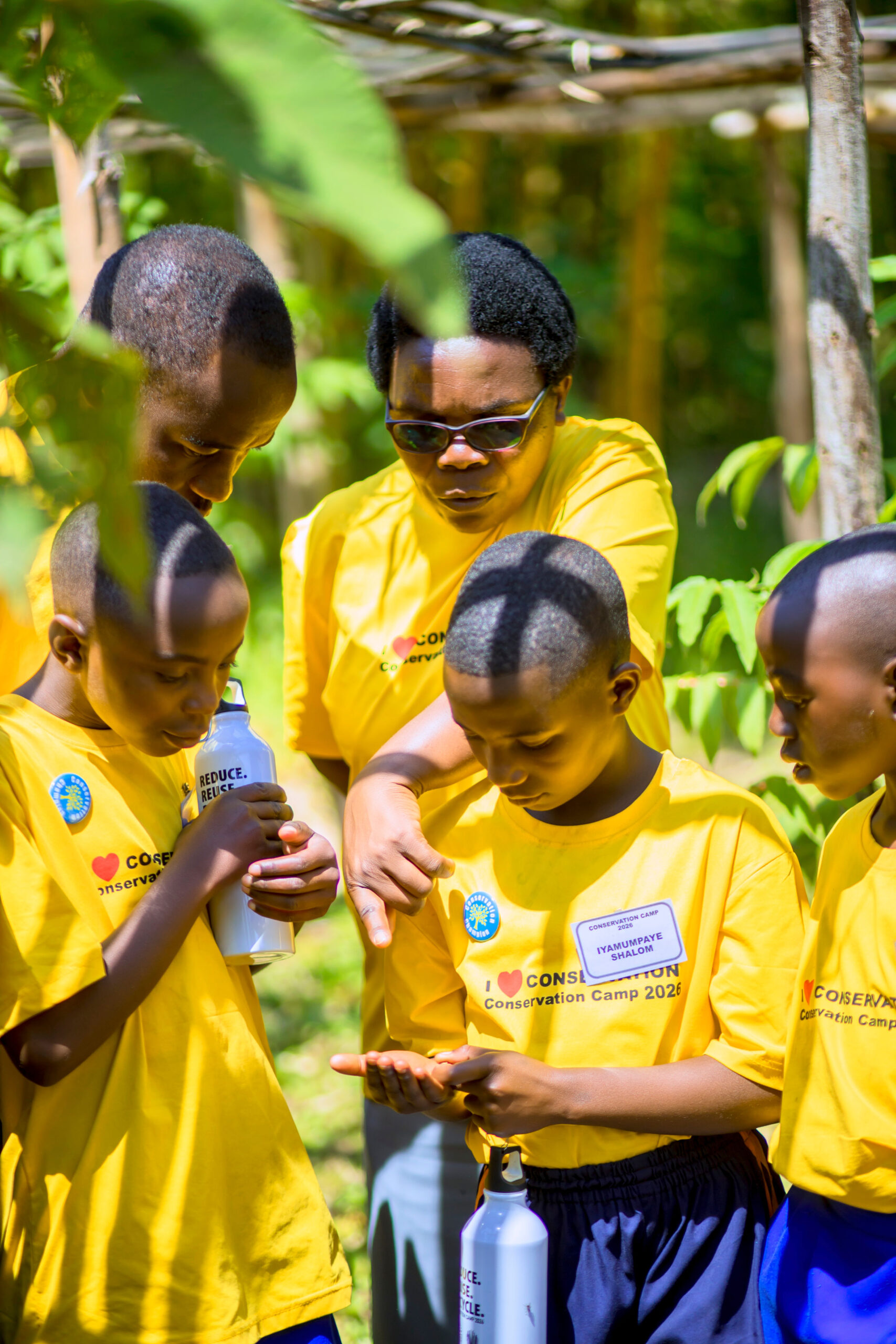
These annual camps are organised by Children in Wilderness (CITW) Rwanda, in partnership with the Dian Fossey Gorilla Fund (DFGF), Muhisimbi Voice of Youth in Conservation, and Conservation Heritage – Turambe (CHT). Split into two groups of 50 children each, from 3 – 6 August, and 10 – 13 August the children participated in workshops and fun activities at the Ellen DeGeneres Campus of the Dian Fossey Gorilla Fund, as well as at Wilderness Bisate.
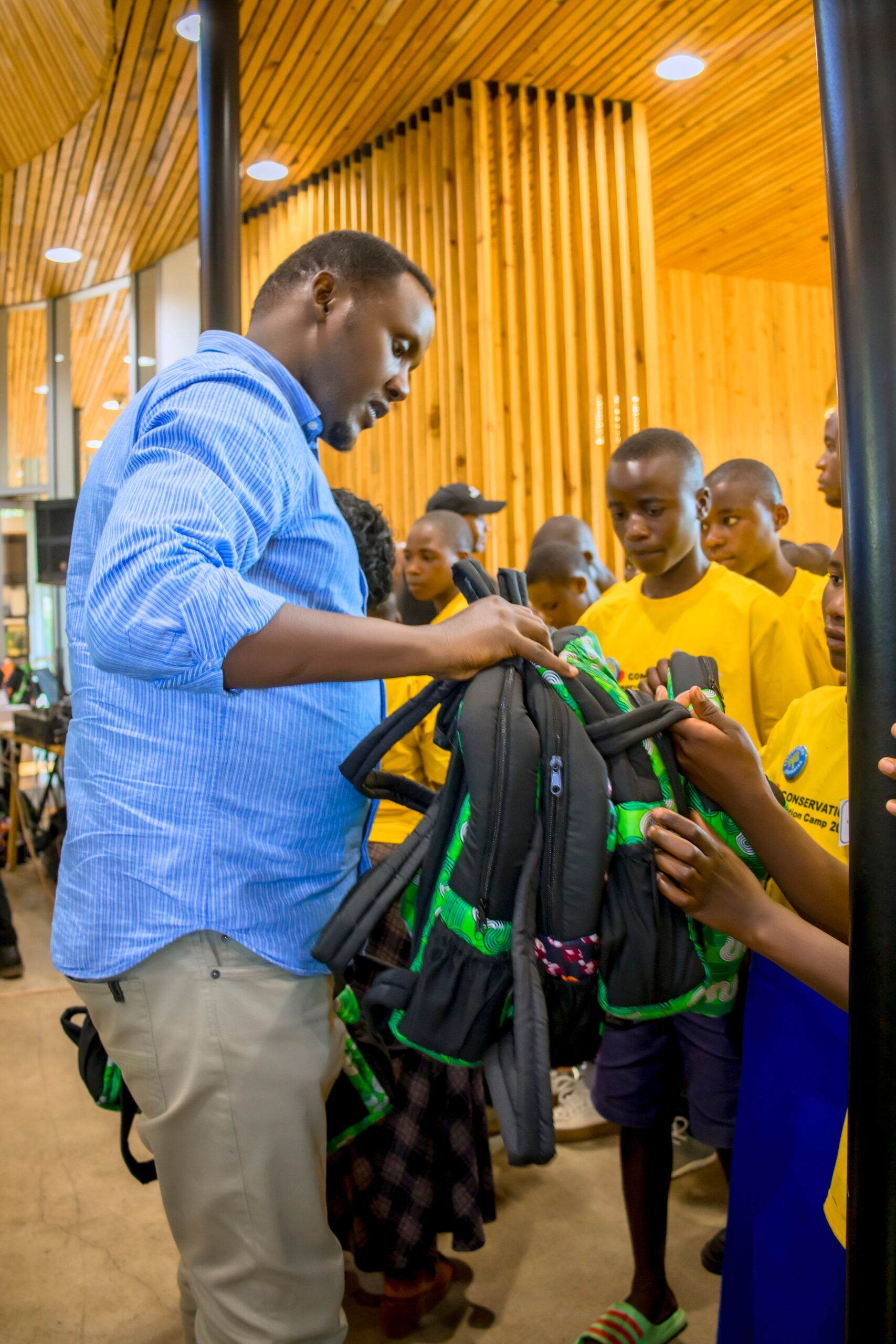
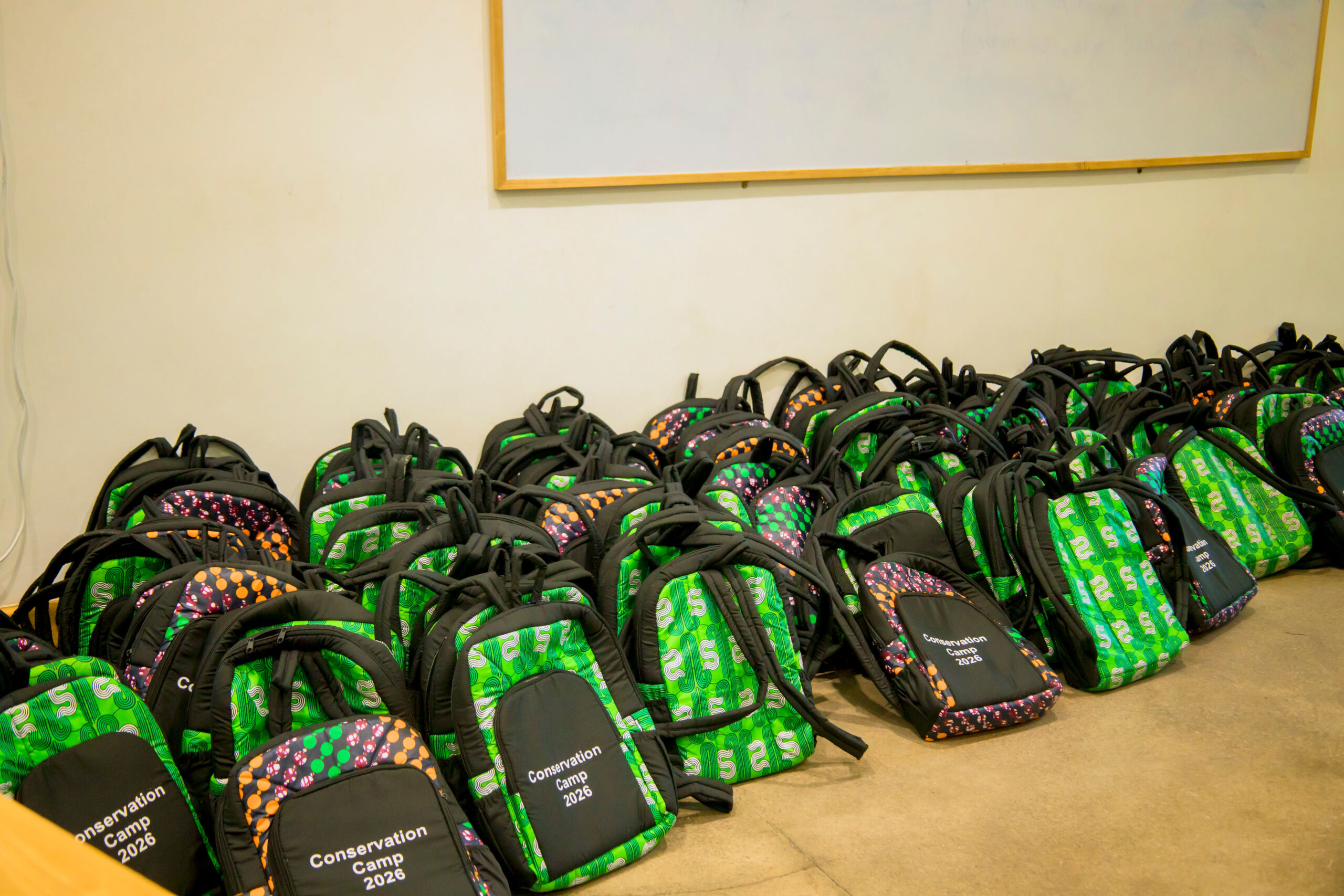

The children were selected from 10 schools across the districts of Musanze, Burera, Nyabihu and Rubavu bordering the national park, and together with their teachers, were collected by bus from their respective schools and transferred daily to the Ellen DeGeneres Campus of the Dian Fossey Gorilla Fund.
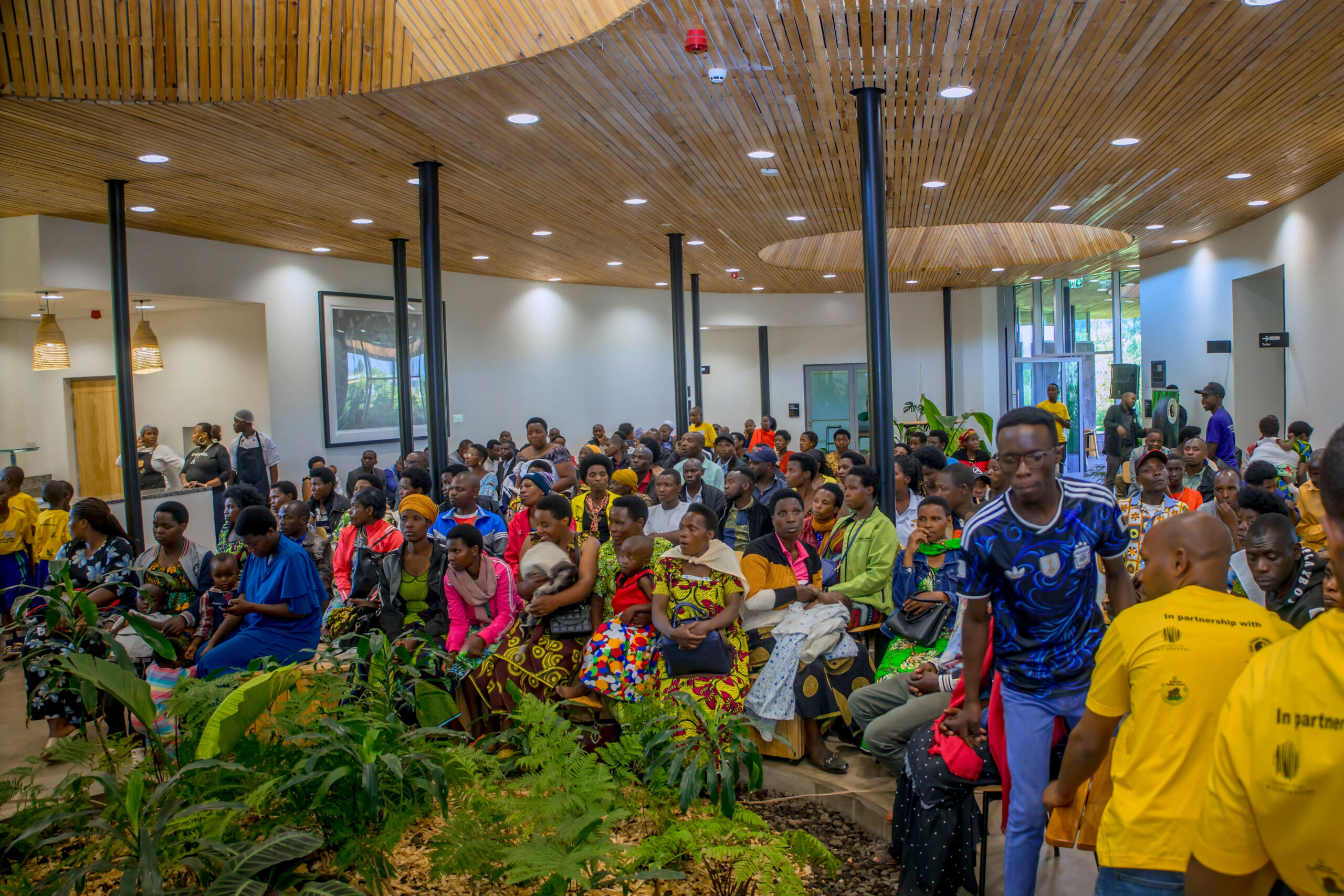


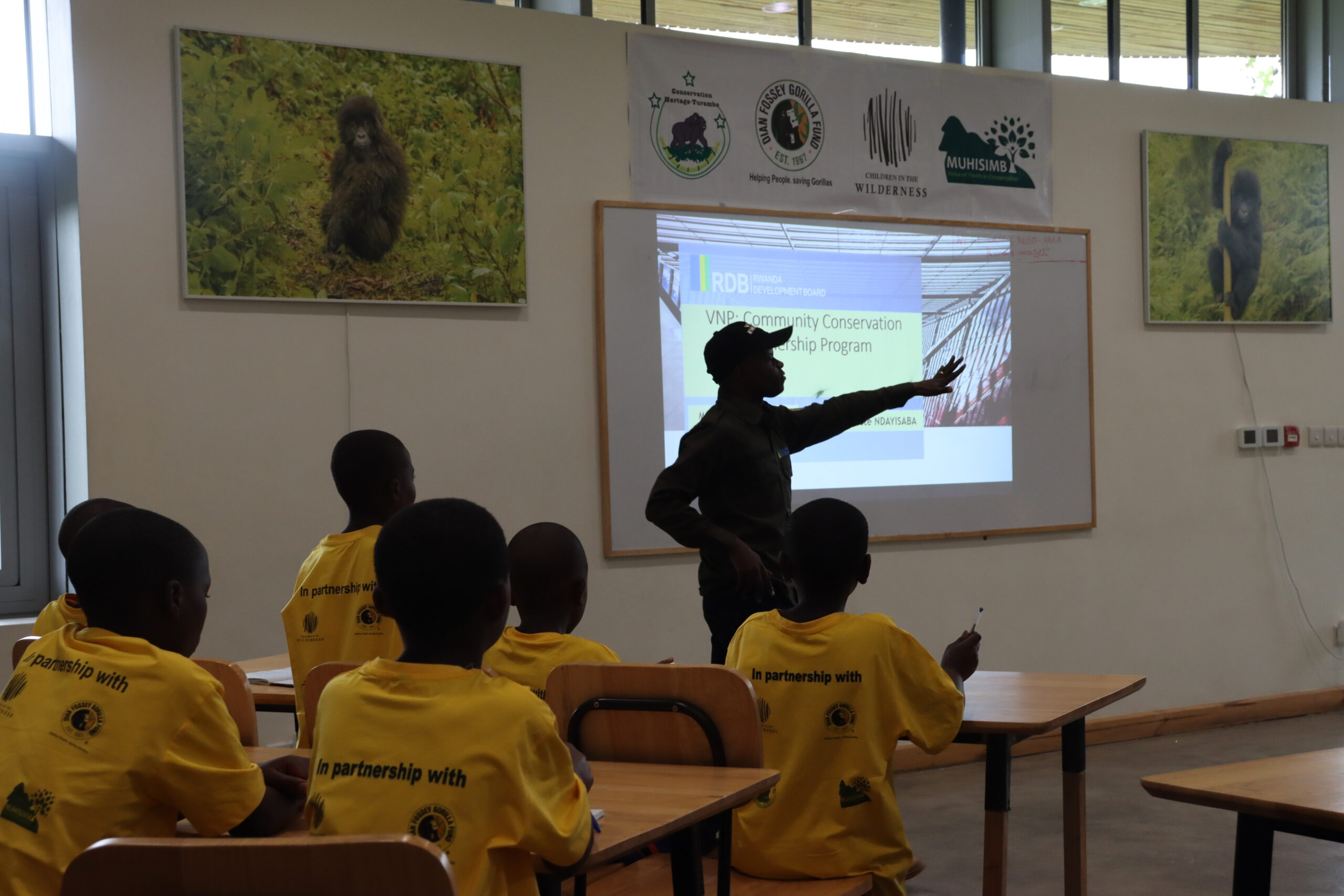
The workshops kicked off with energiser games and lessons – such as the Web of Life and the Food Chain, and how ecosystems function in an interconnected way, with each element relying on the others to survive. They also had lessons on gorilla behaviour and ecology, the national parks of Rwanda, threats to biodiversity in VNP as well as Rwanda’s other parks, and the actions necessary to help protect the parks, and the importance of birds in ecosystems.


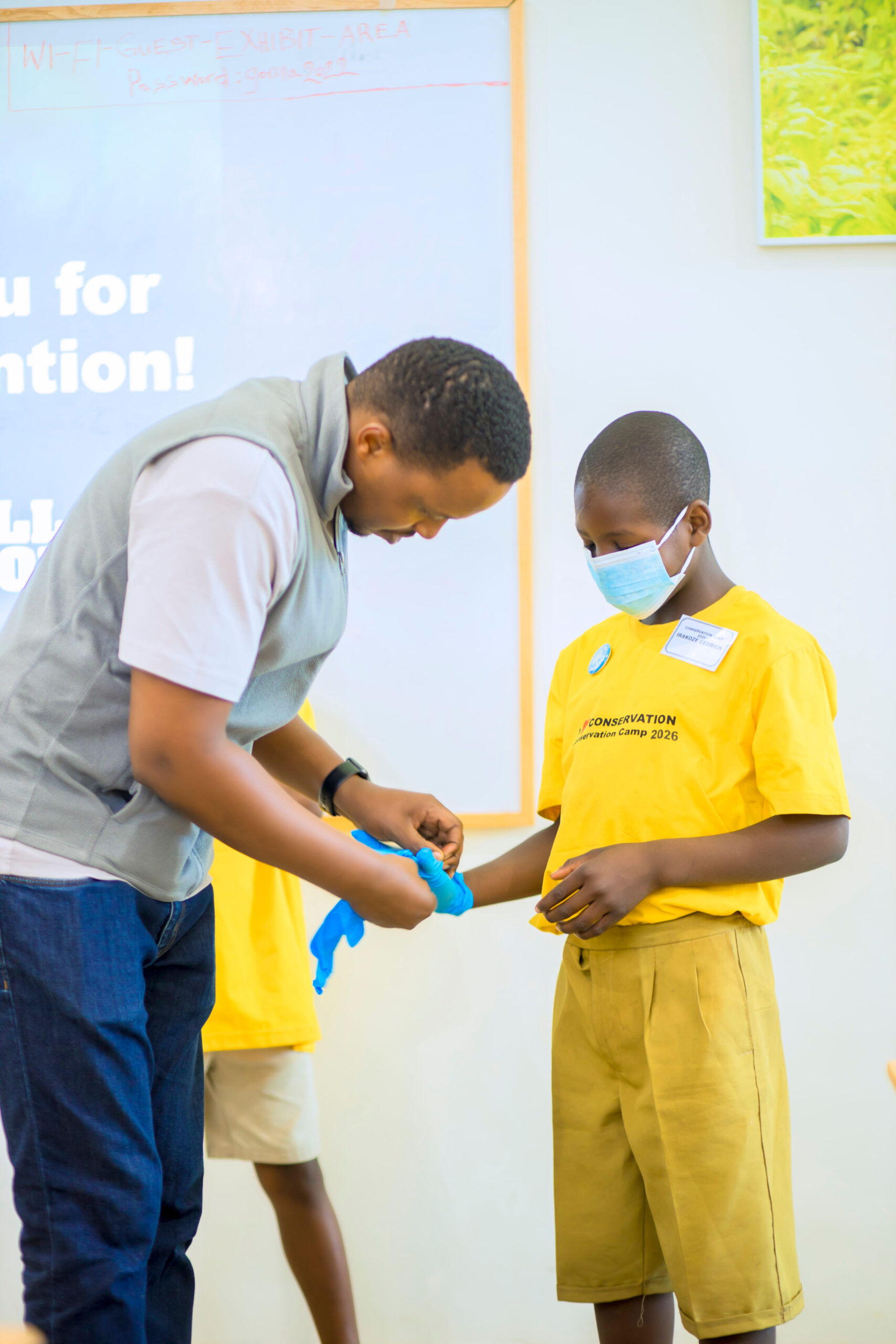
We invited a number of guest mentors, who further empowered the children to understand, know and love the environment. Presenting workshops were representatives from Gorilla Doctors, the Rwanda Development Board’s (RDB) Community Conservation Warden for Volcanoes National Park (VNP), Bisate lodge guides, and some of the Wilderness Rwanda Finance team, who joined the camps to encourage and motivate the children, as well as to share their knowledge and experience.
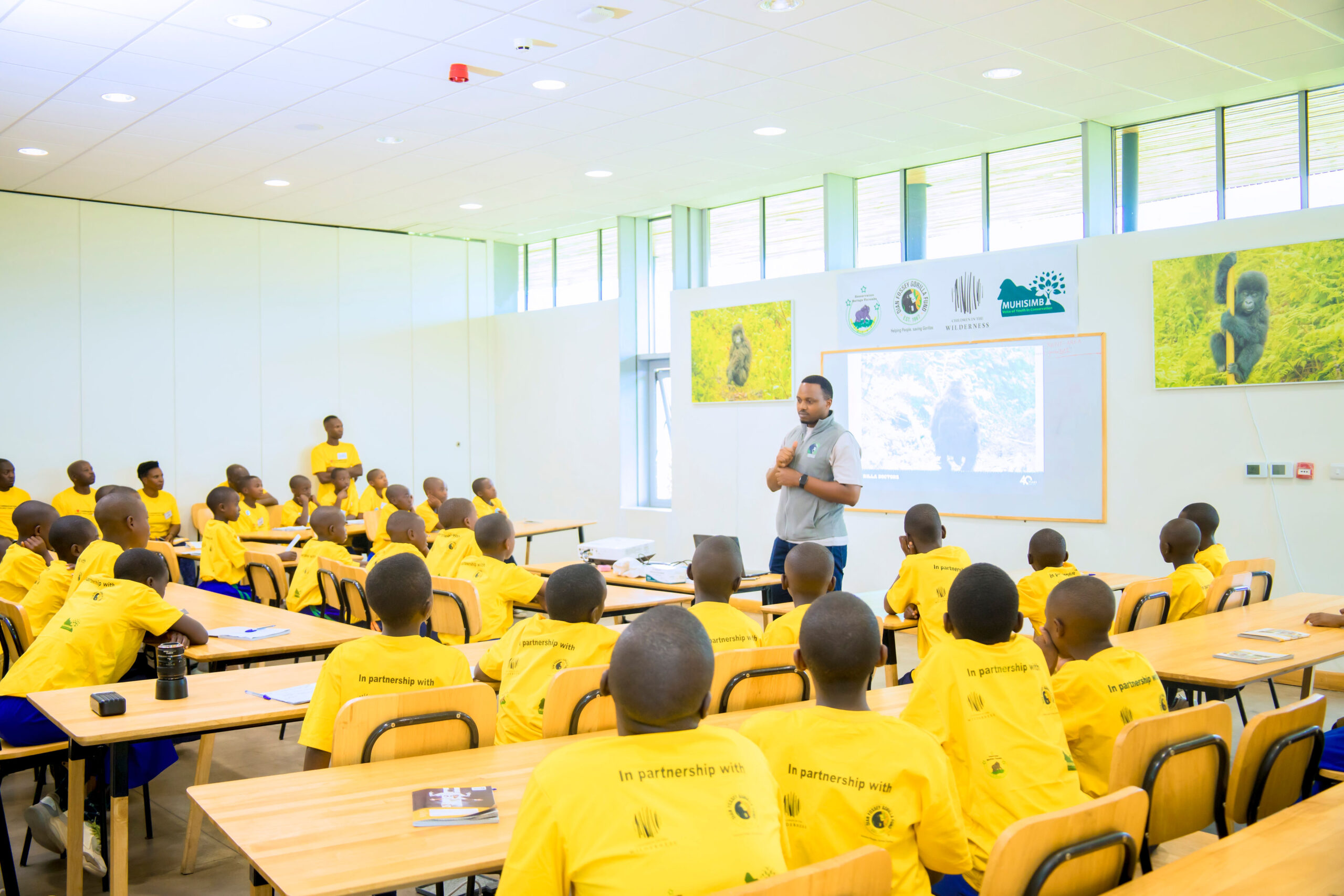
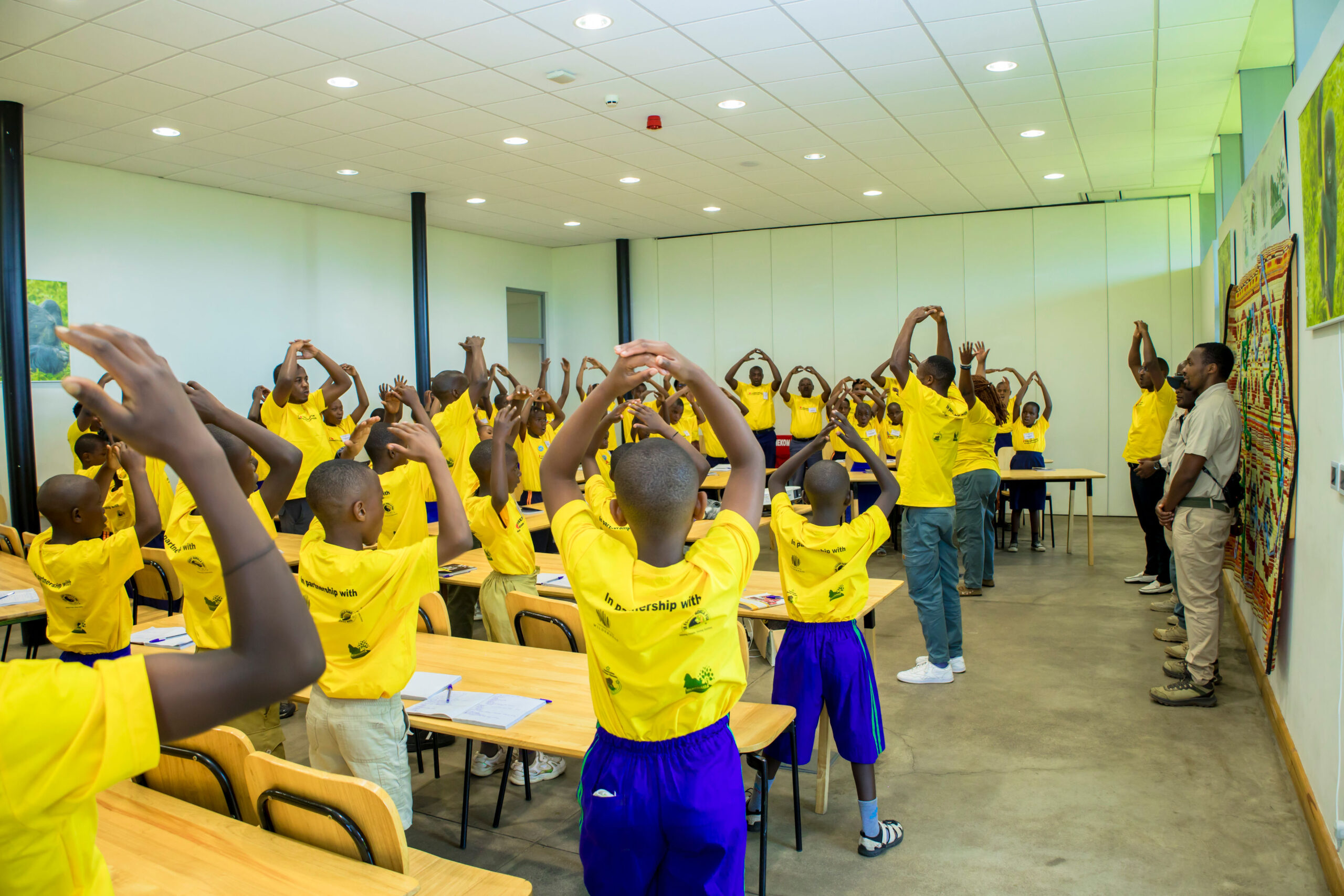

There was also time for arts & crafts, many different games and songs, snacks and meals, a nature walk at Wilderness Bisate and exploring the environment.
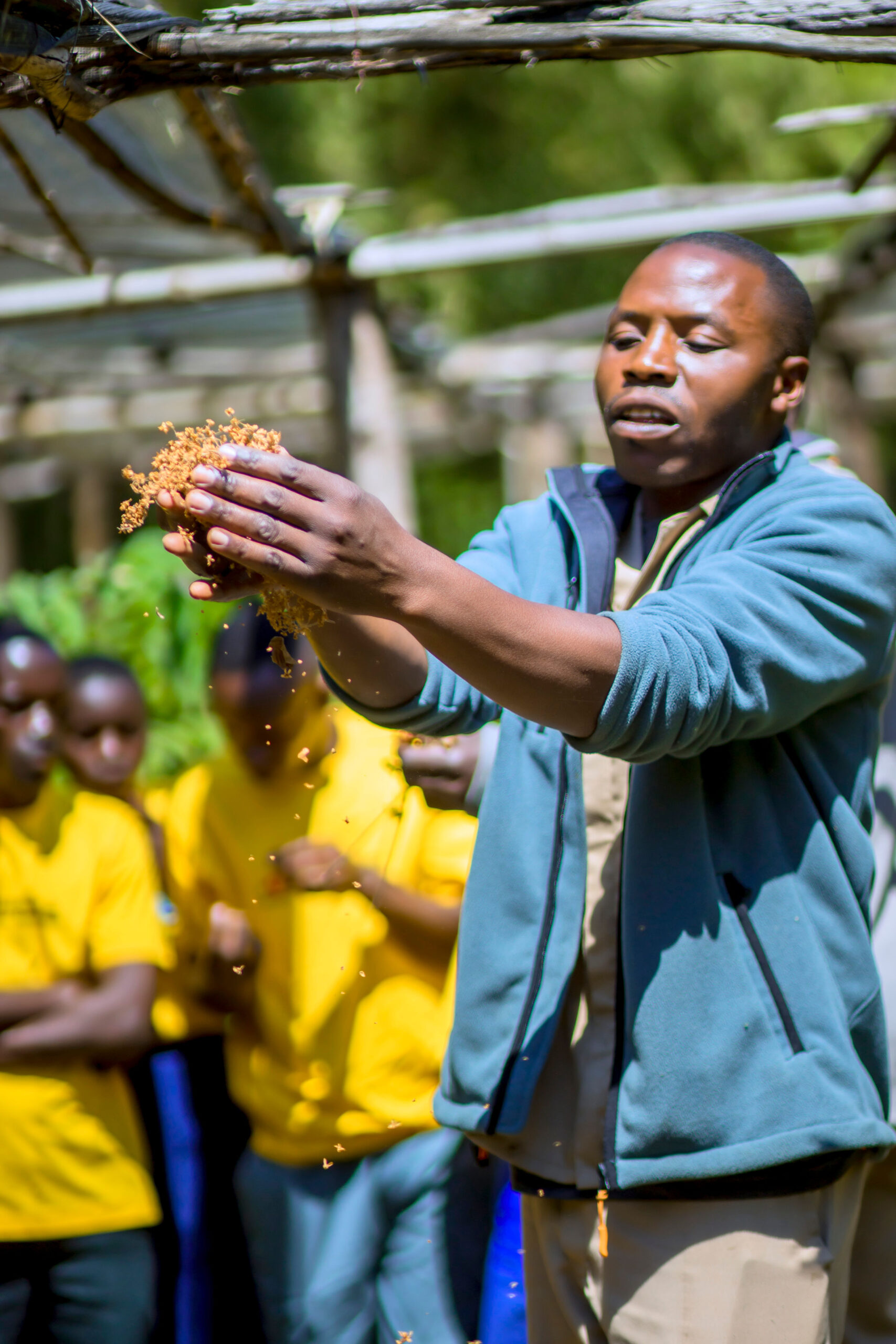


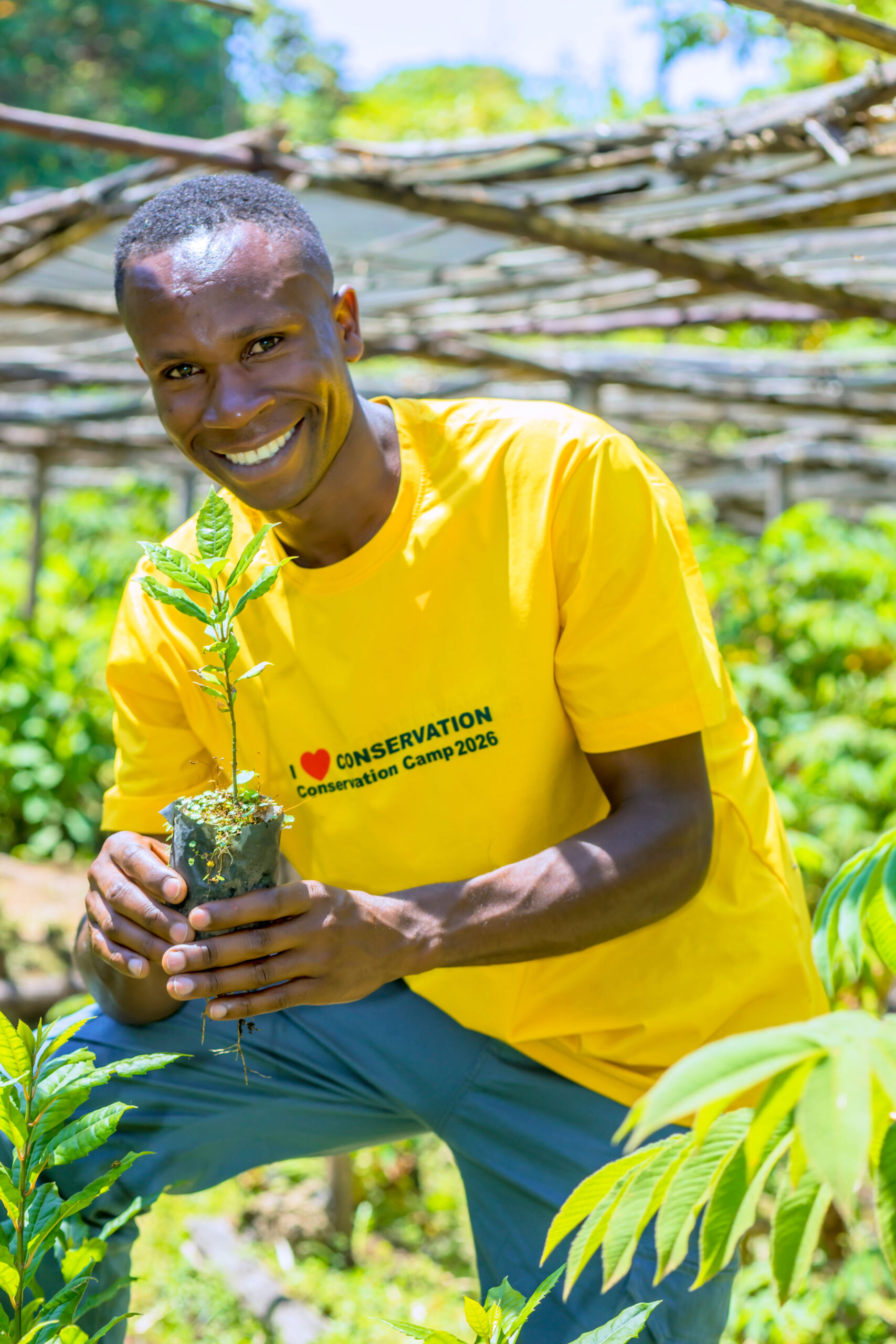
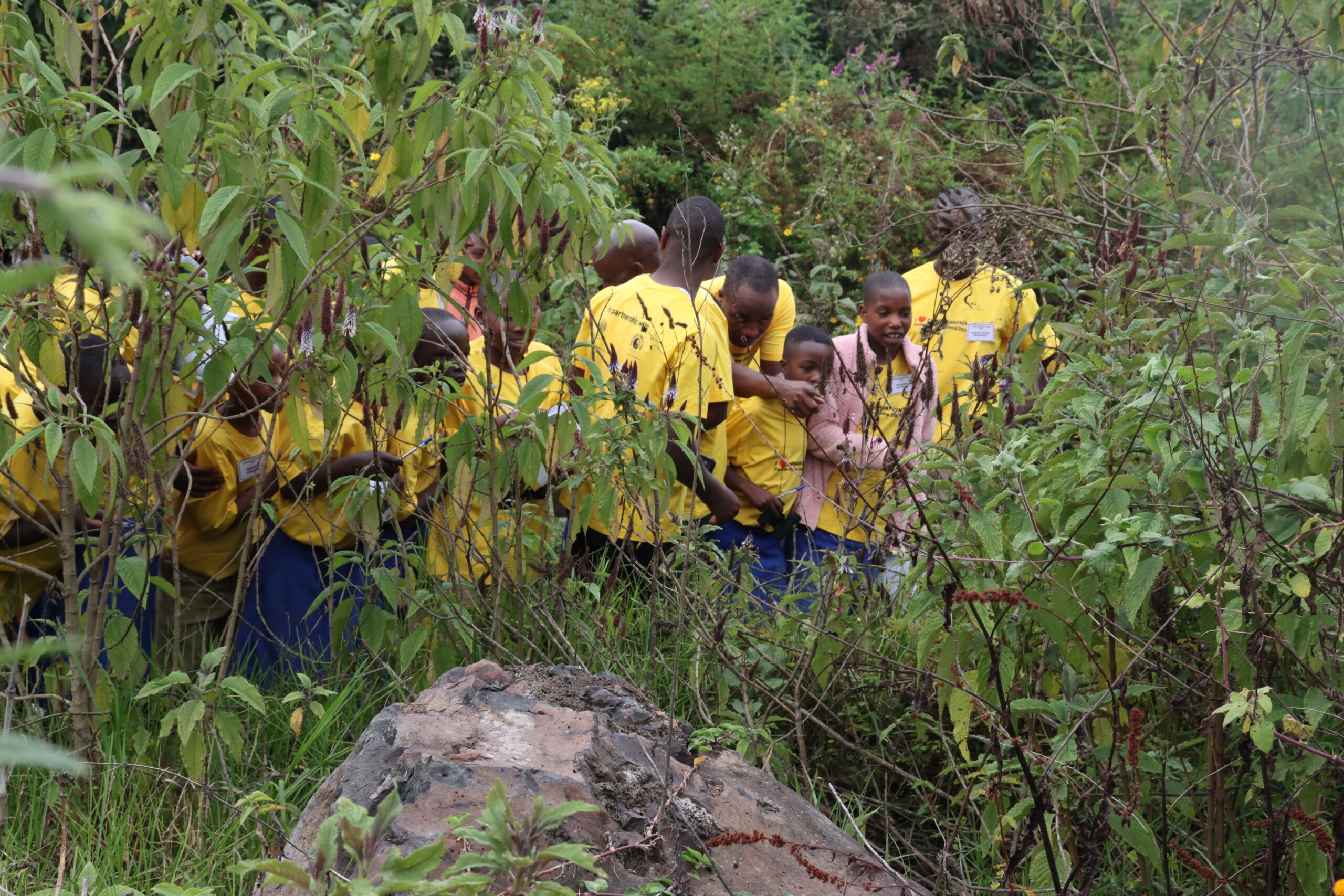
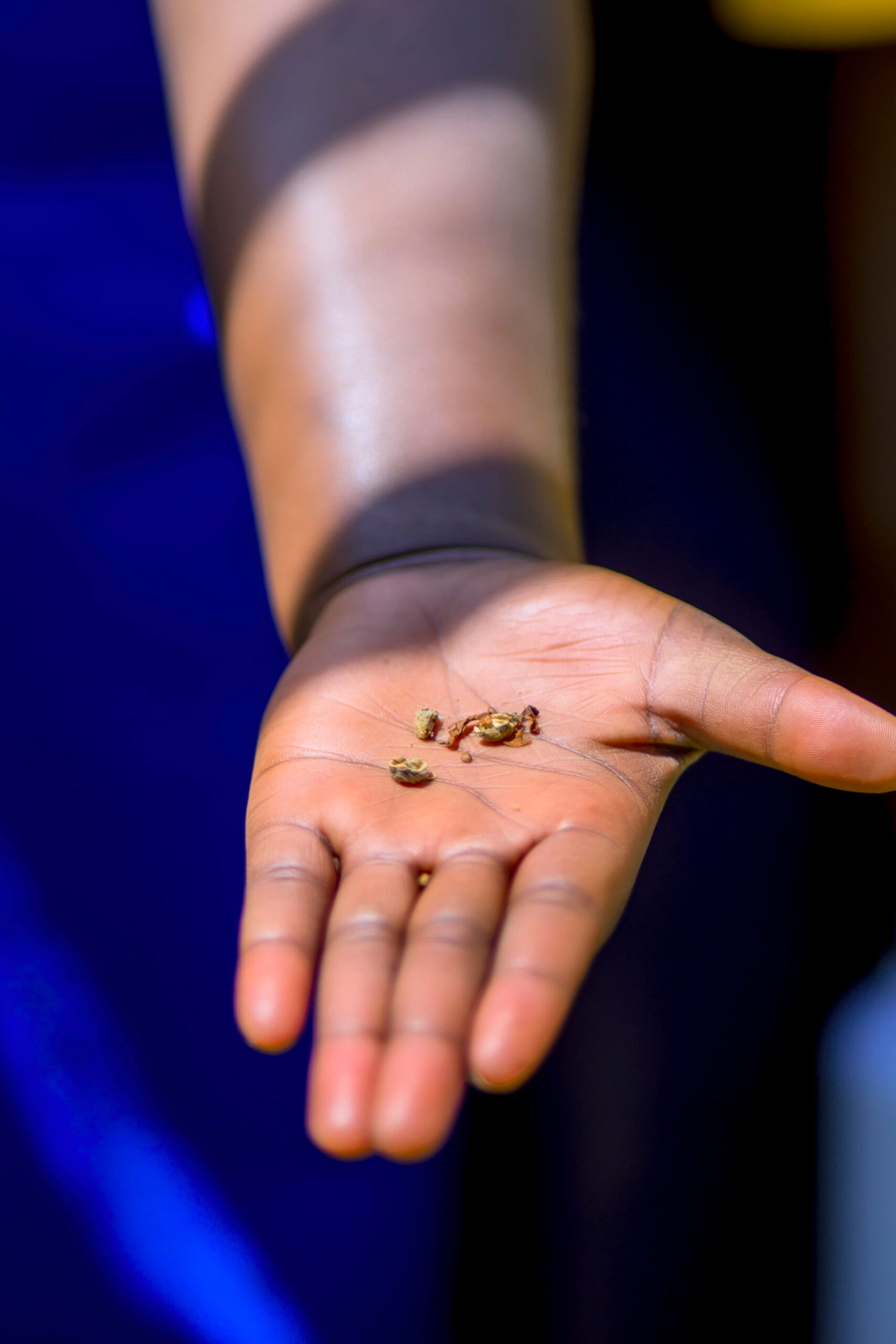
On the Thursday, the last day of each the camps, we took the children to Wilderness Bisate to see the lodge’s indigenous tree nursery. This was followed by a hike on one of the nature trails on the property. In the nursery, the children were welcomed by the Bisate agronomists, who explained their processes, from seed to sapling to tree, as well as the importance of biodiversity in trees, and how to look after a sapling.
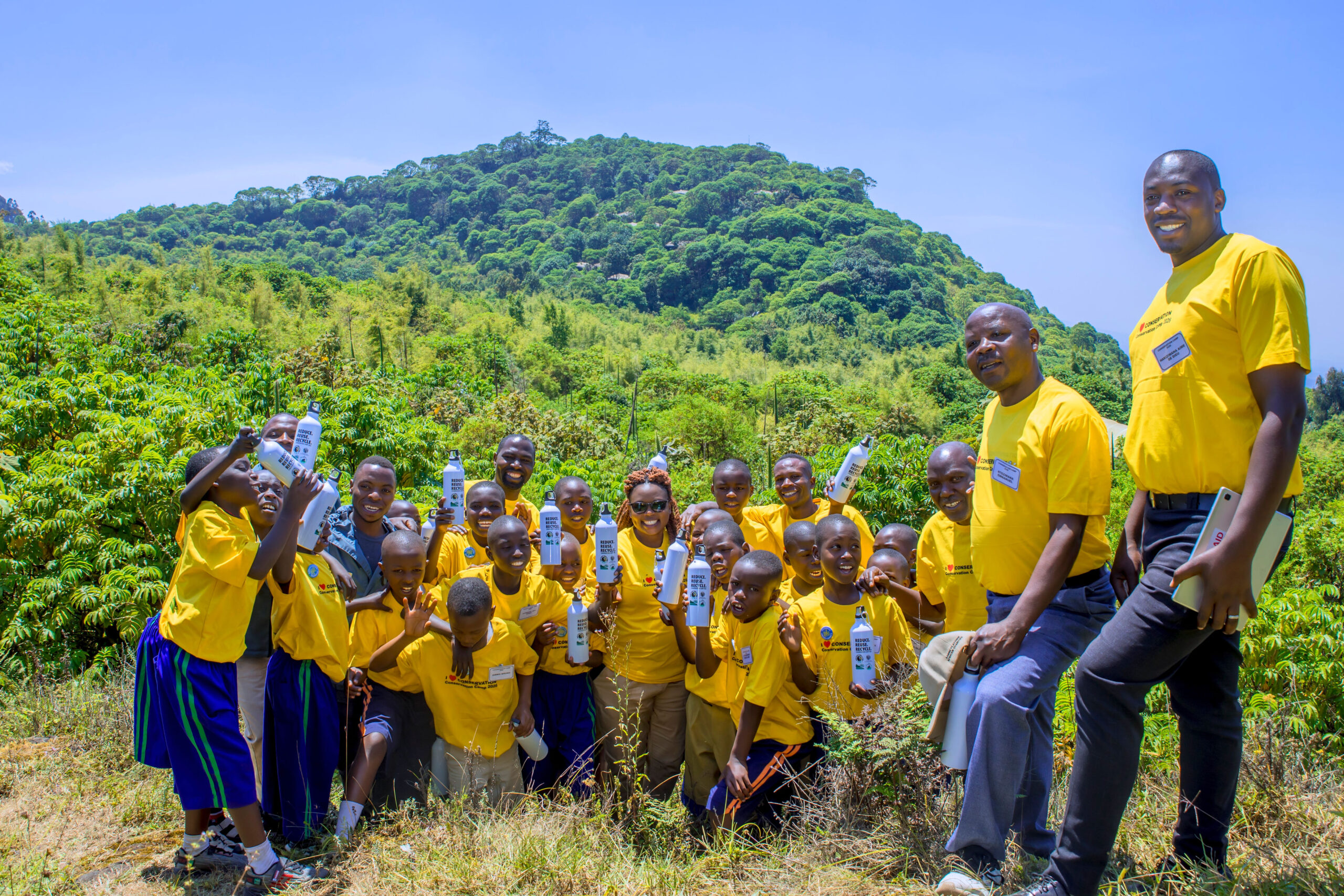
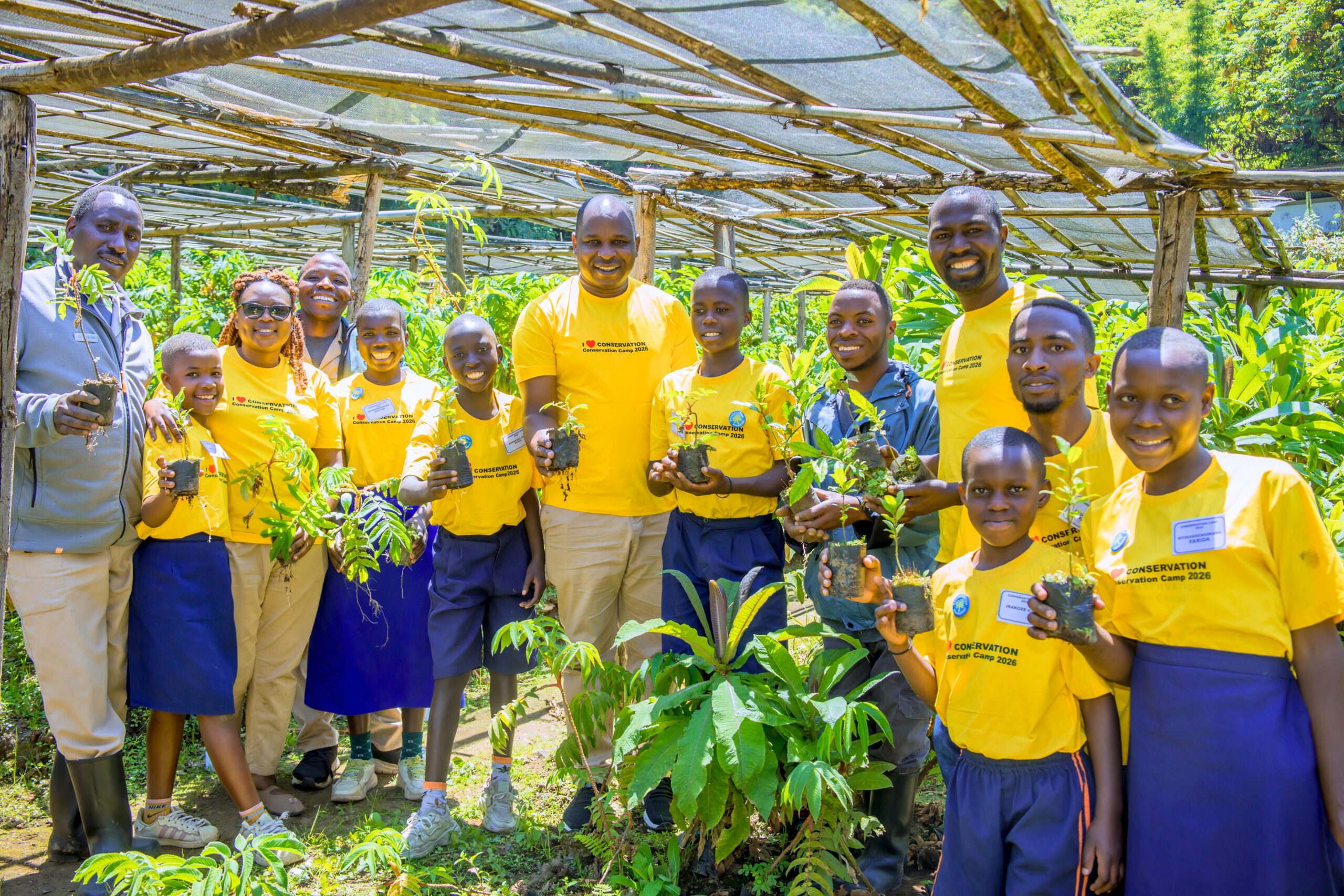
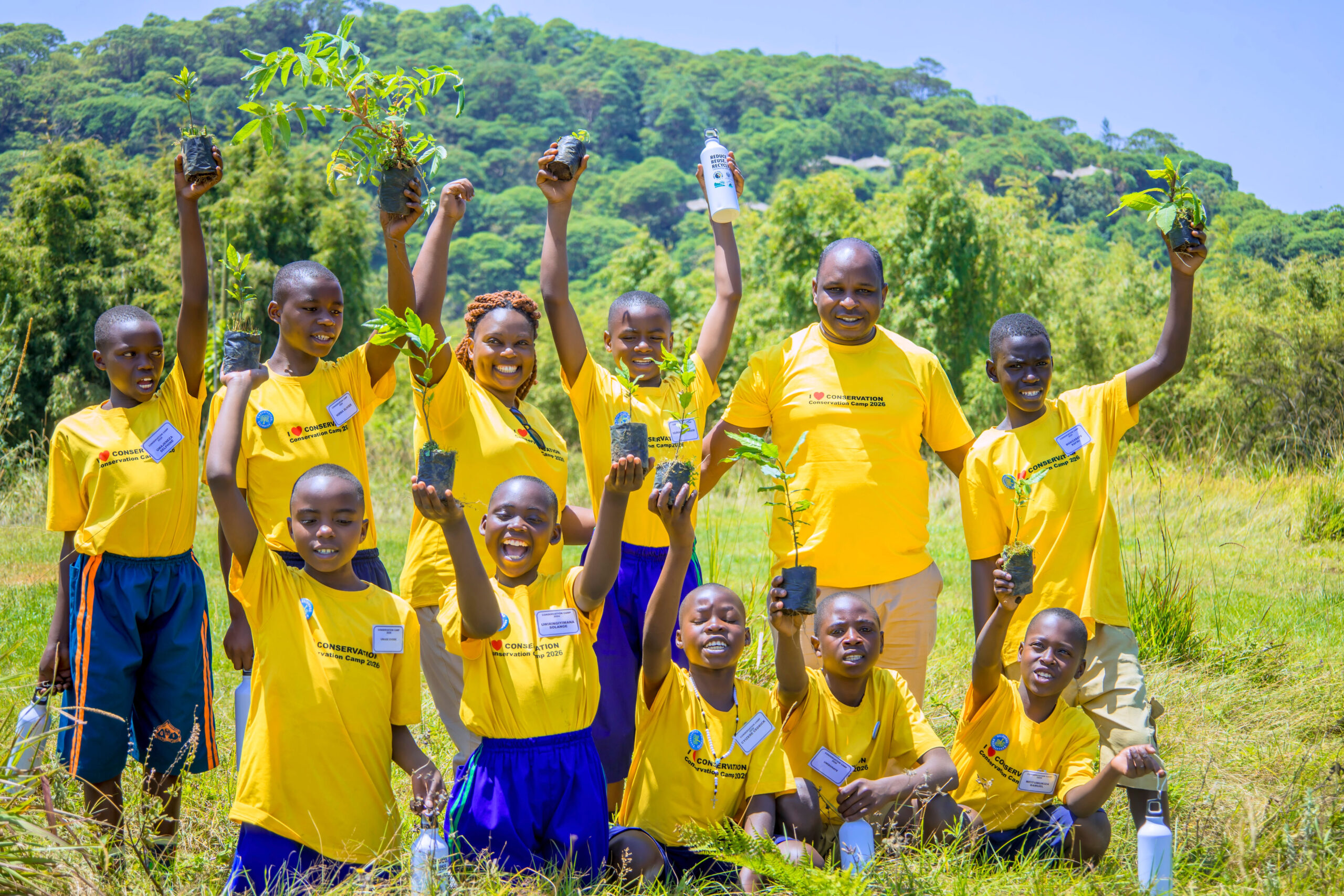
The children were very interested and asked many, many questions. While hiking on the nature trail, the different trees were identified and more questions followed. The visit to Wilderness Bisate ended with each child choosing their own indigenous sapling to plant at their home.

‘We are extremely proud that the programme has expanded so much since its inception, and is reaching so many more children from different Districts,’ noted Aline. ‘Besides the number of children, we have expanded from selecting from schools in one District to four Districts, and it was only in the Covid-19 lockdown years of 2020-21 that we did not hold a camp. Over five years, we have now hosted a total of 480 students, which makes us so proud!’
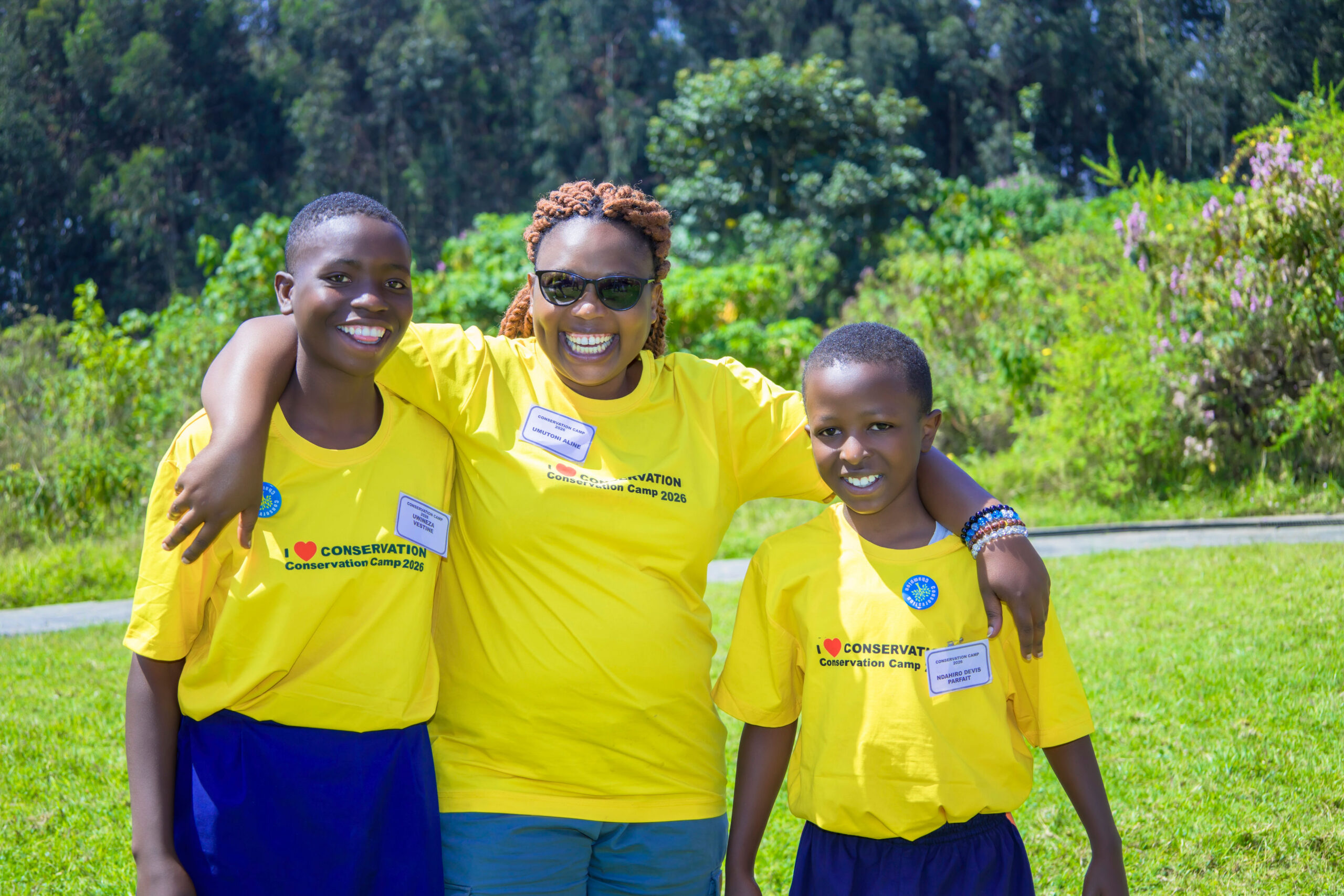
Manzi Kayihura, Wilderness Rwanda Executive Chairman joined the camp on the closing days, and noted that the most important effort anyone can make is to build good values. ‘When a child grows up respecting nature and carrying these values throughout their life, that is when you create a strong and sustainable system. It is such a good initiative to start with the children, and we now expect they will support conservation even more actively, understand its value and make it part of their own lives – because tourism without the participation and support of local communities has little meaning.
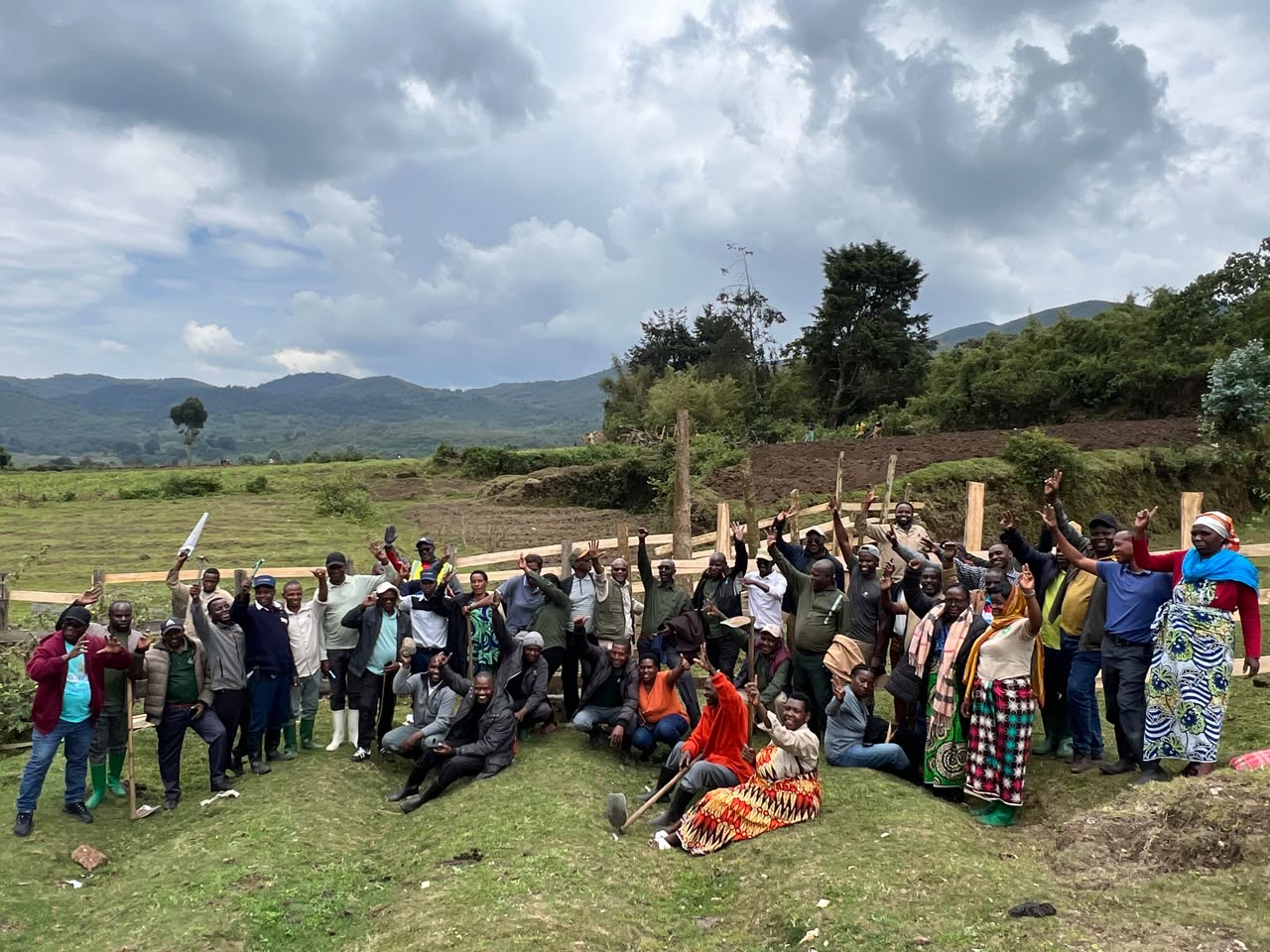
He added that the parents will work closely with the children and help them to put their lessons into practice, ensuing that the knowledge gained at the camp does not remain theoretical but becomes a party of their everyday behaviour. In conclusion, he thanked all of the stakeholders who were involved in the camp preparations, as well as the donors whose support ensures that the Conservation Camps take place.
‘We are already looking forward to running the camps again next year, and I am happy to join again!’ said Manzi.
Felix Ndagijimana, Country Director of the DFGF Rwanda, said the knowledge provided to the children gives them a stronger understanding of environmental conservation and its protection. ‘By educating them from an early age, we greatly help them to understand the relationship between people, wildlife and the environment. Therefore, the children will play an important role in conservation and sustainable management these natural resources in the future.’