Children in the Wilderness (CITW) Botswana has launched field trip initiatives aimed at introducing the children to a number of different places within their surroundings but outside their school environments. The initiative provides learners with opportunities to gain practical knowledge and skills, while strengthening their understanding of environmental education and sustainable practices.
As part of this initiative, CITW Botswana, in partnership with Flamingo Investments, organised a farm visit for 29 Shorobe Primary School Eco Club members and 2 teachers on 20 August 2026. Shorobe Primary School is approximately 40 km from Maun, and 13km from our partner farm. Further to our partnership with Flamingo Investments, Shorobe Primary School is the newest school to join our CITW programme. The school has also recently signed a Memorandum of Understanding with Ministry of Child Welfare and Basic Education, formalising its participation and collaboration within the programme.

The purpose of the field trip was to expose learners to vegetable production, sustainable agriculture, renewable energy, water conservation and other practical life skills.
Activities at the farm:
Upon arrival at the farm, the children were welcomed by the Farm Manager, Mr Tebogo Nganda, who introduced himself and explained the farm rules and safety guidelines before the tour began.
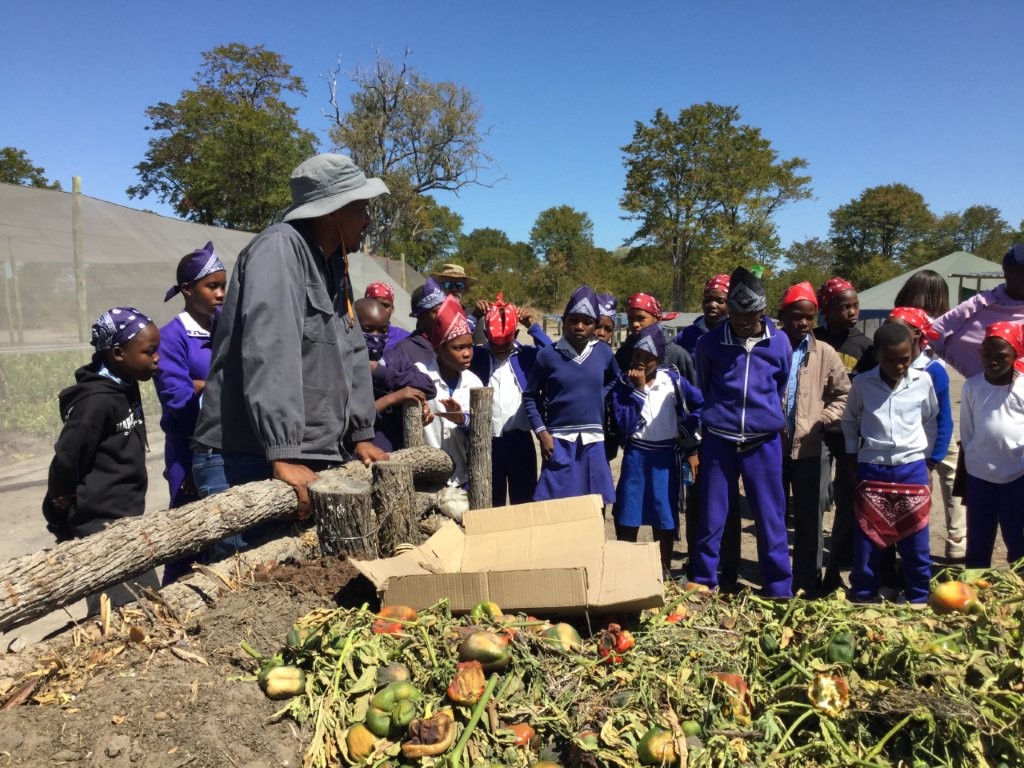
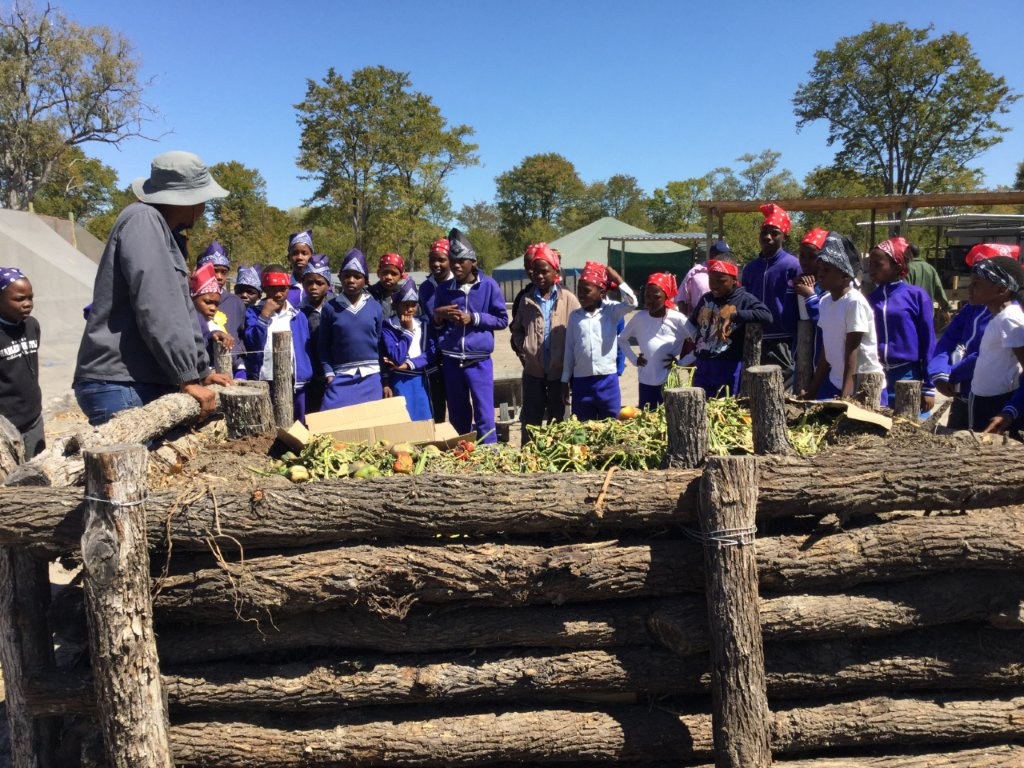
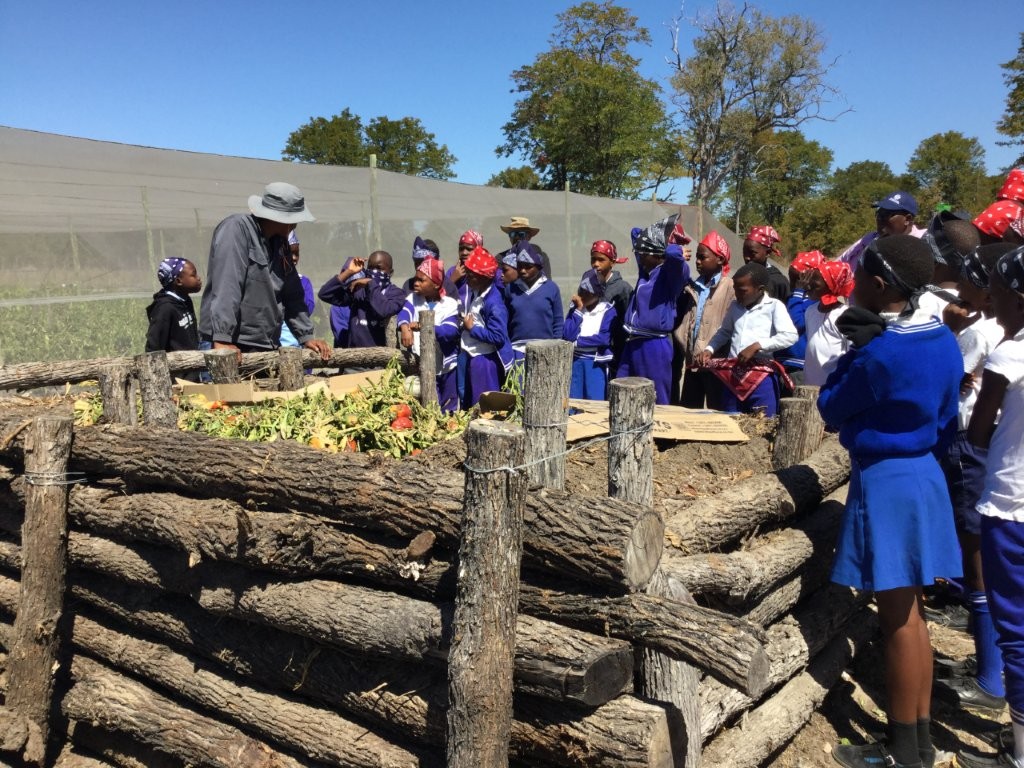
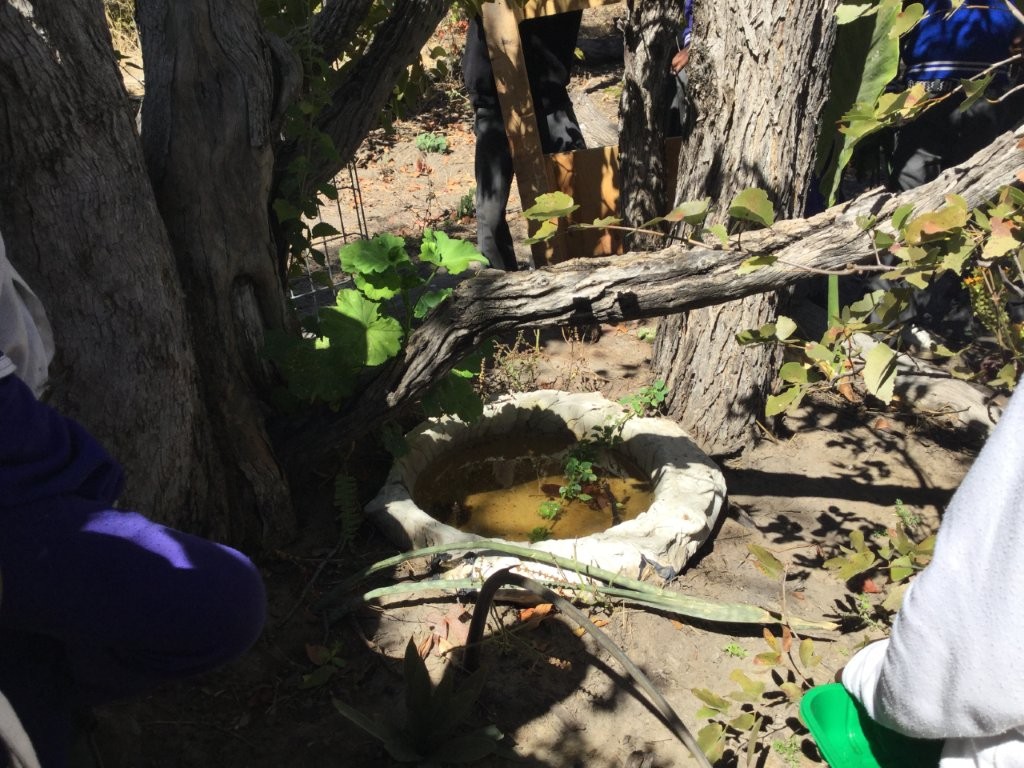
Compost site: The children learnt about composting and how organic materials can be converted into useful manure for improving soil fertility. This helped them understand the importance of recycling organic waste and maintaining healthy soils.
Nursery site: The group then visited the nursery, where seedlings are kept and cared for before being transplanted into the fields. The children learnt about the importance of raising healthy seedlings and providing them with the appropriate conditions for growth.
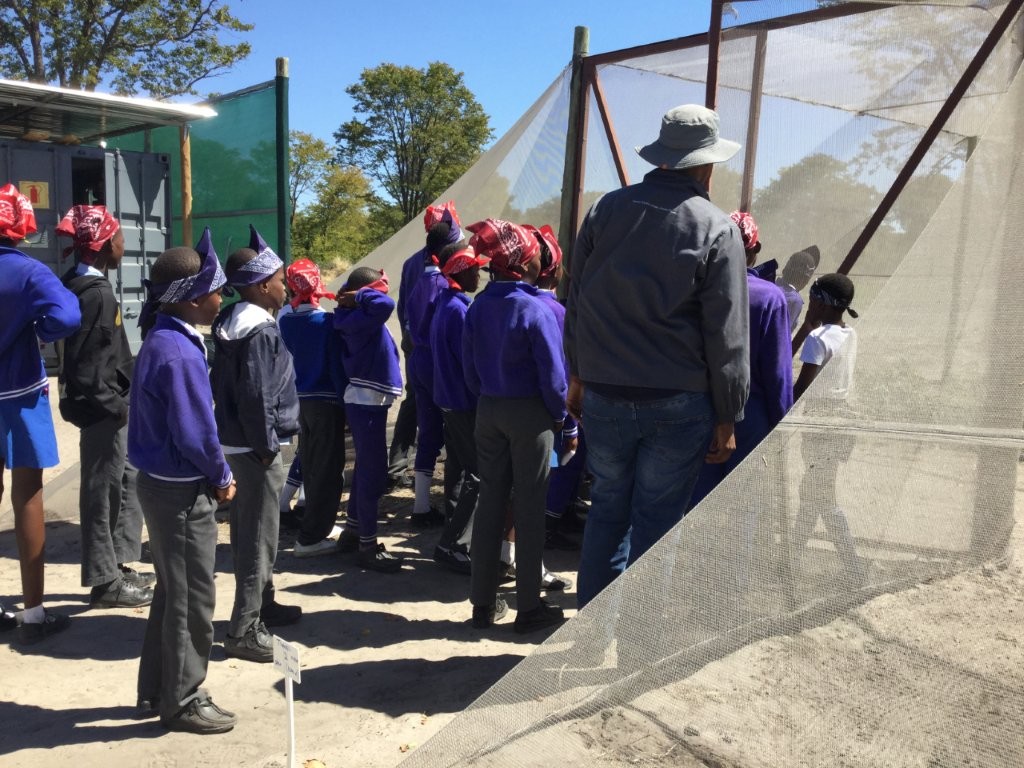
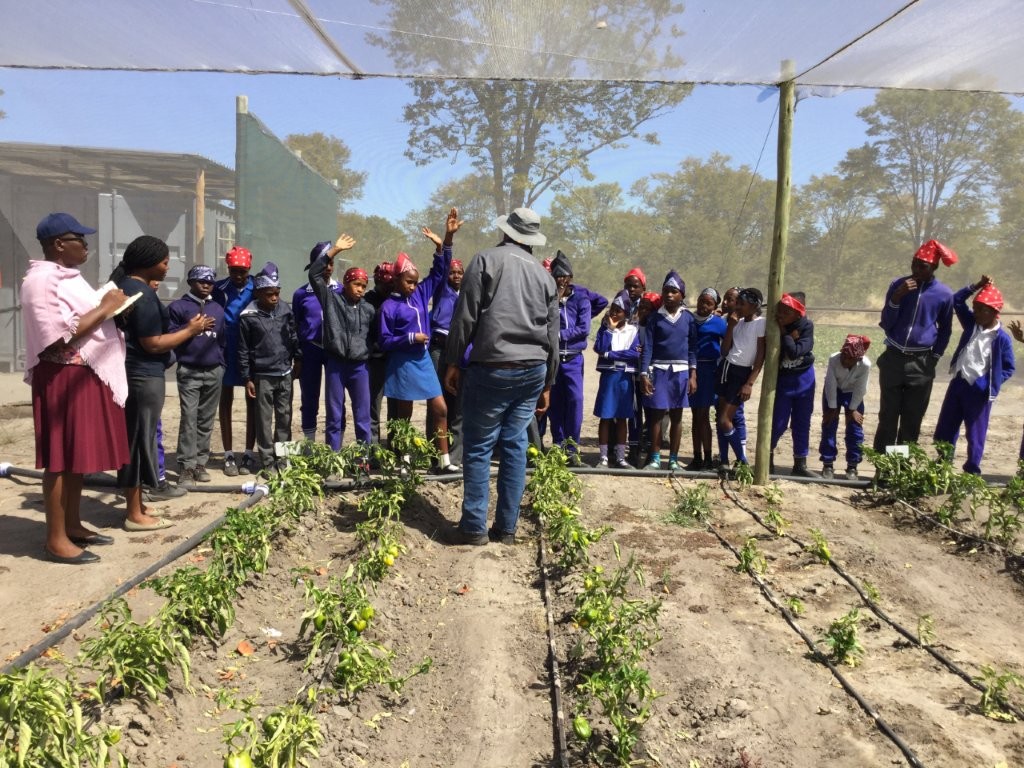
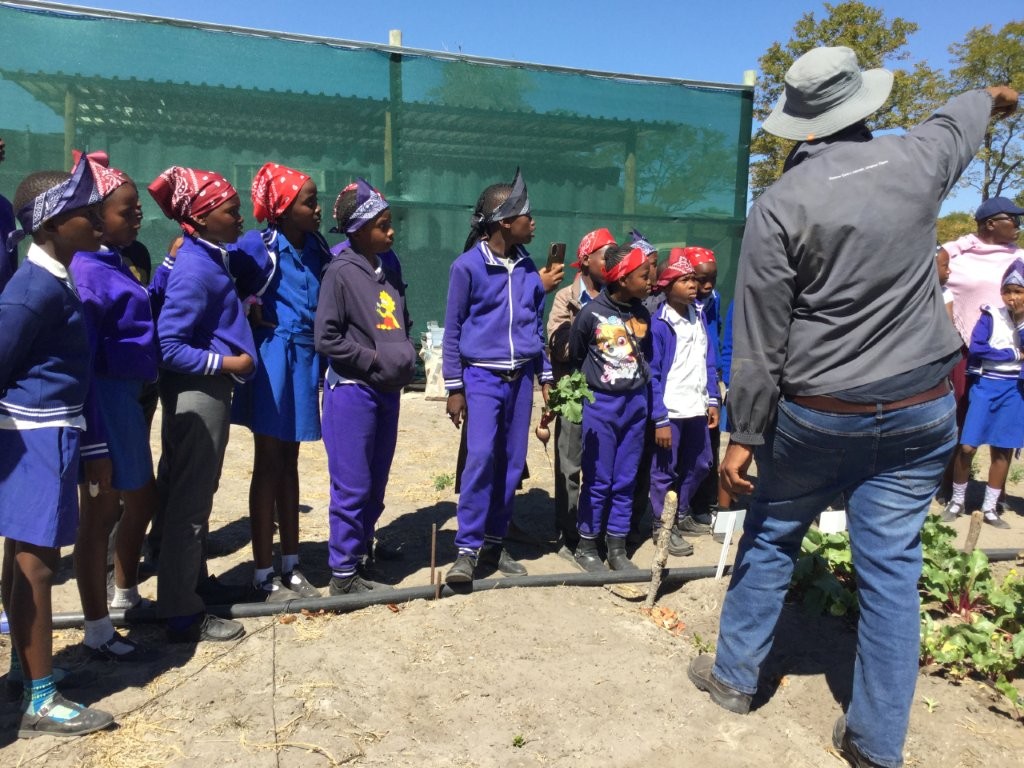
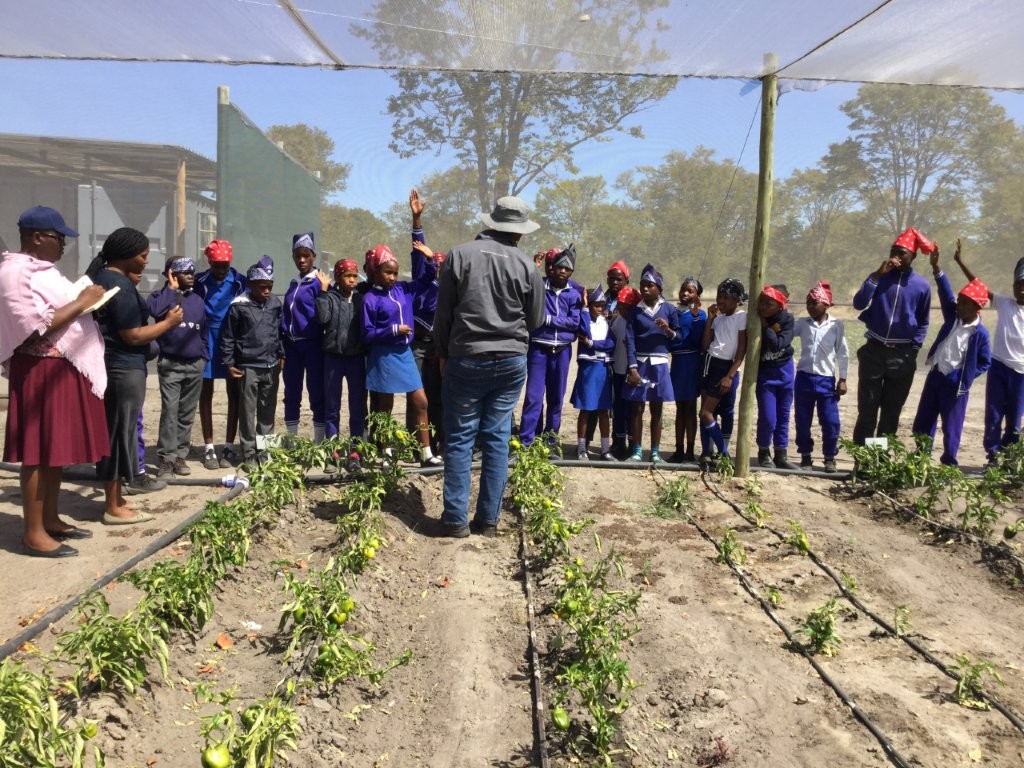
Green pepper shade-net tunnel: The children had the opportunity to visit the green pepper tunnel and learn about the different types of green peppers. Tegobo explained how drip irrigation is used to provide water to the plants and highlighted the importance of efficient water management in vegetable production.

Beetroot production: The group also visited the beetroot field. Tebogo explained that beetroot can grow well without shade netting because it does not require the same level of protection as some other crops. He also showed the children the kraal manure used in beetroot production and explained its role in improving soil fertility.
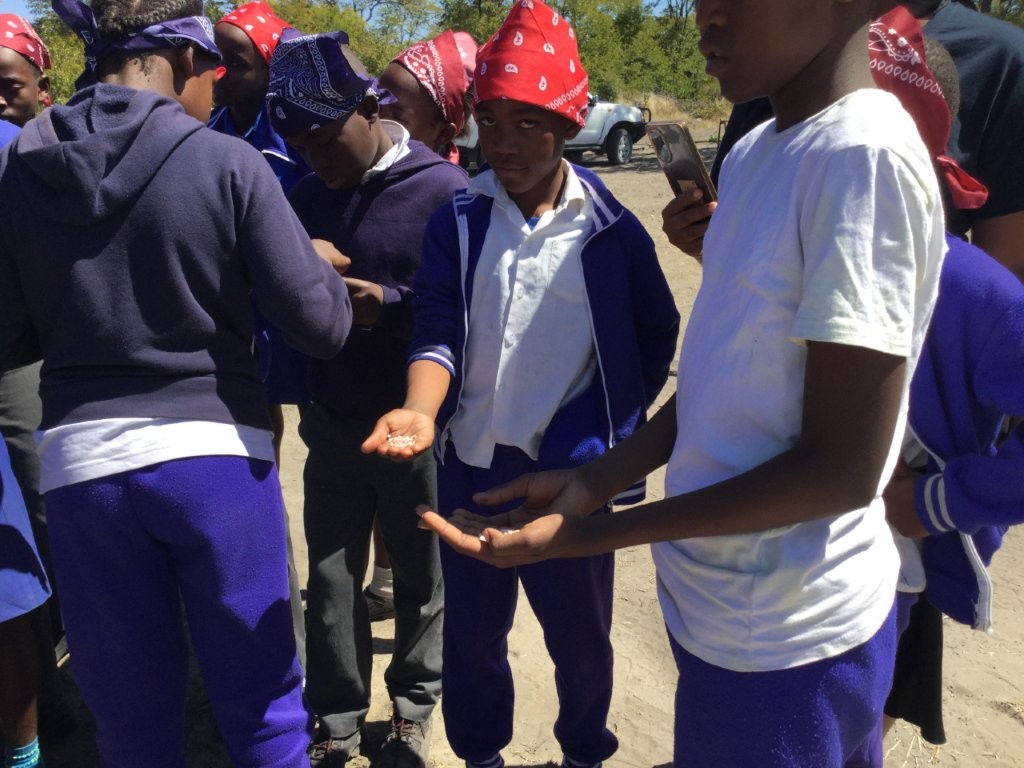
Organic and inorganic fertilisers: The children were introduced to both organic and inorganic fertilisers. Tebogo explained the benefits and uses of each type and helped the learners understand how different fertilisers can contribute to plant growth and soil fertility when used appropriately.
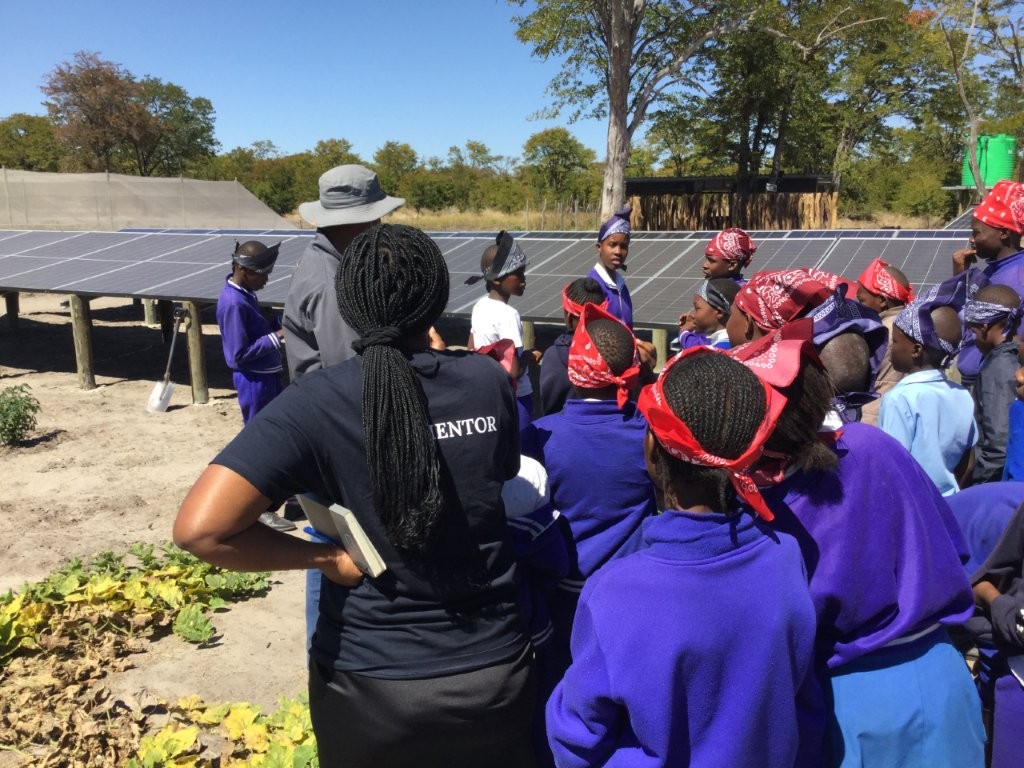
Solar energy: The children visited the solar panel section of the farm, where they learnt about renewable energy. The session highlighted how solar energy can be used as an alternative source of power and its environmental benefits, particularly in reducing reliance on conventional energy sources.
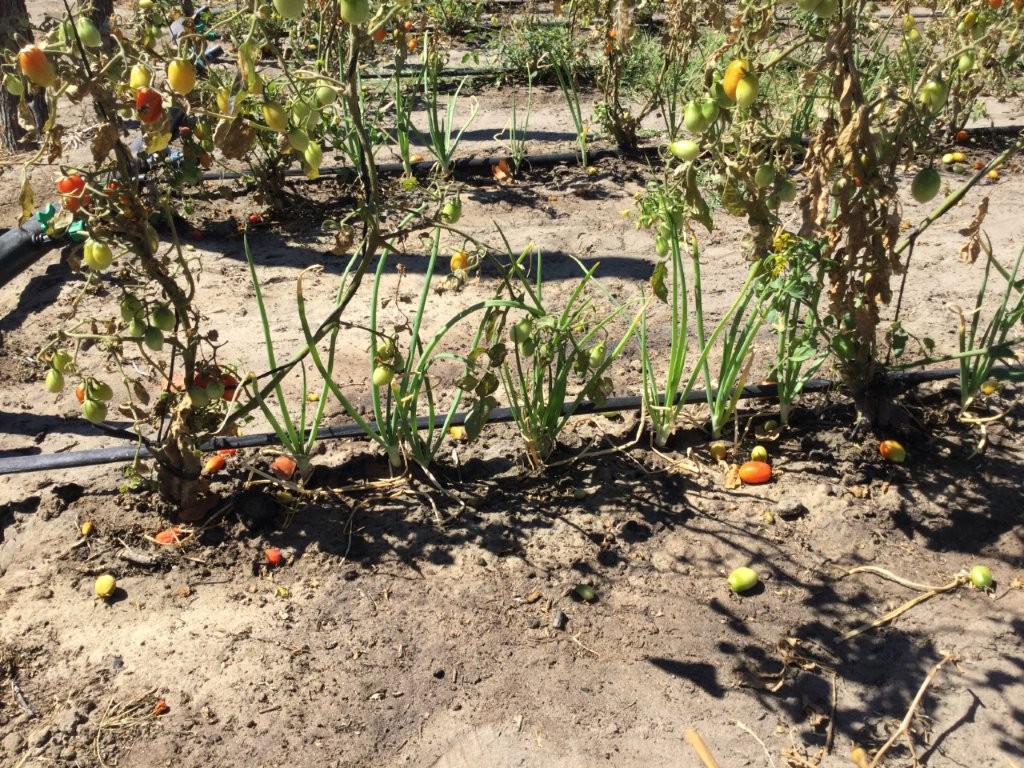
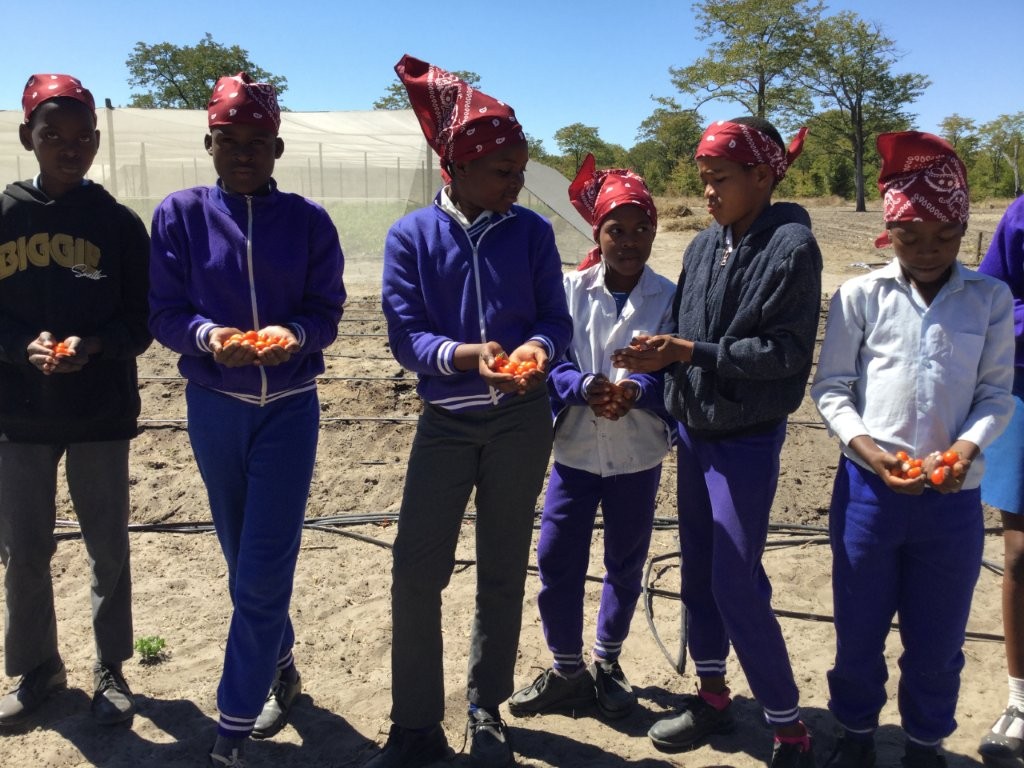
Companion planting: Another important lesson was on companion planting. The children observed a demonstration involving tomatoes and onions. They learnt that planting certain crops together can help deter some pests and support healthier crop production. This affirmed how natural methods are incorporated into sustainable agriculture.
Farm houses: The children also had the opportunity to see the farm houses, and learn about how they were constructed using shade net and canvas. This gave them exposure to practical and innovative approaches to construction in a farming environment.
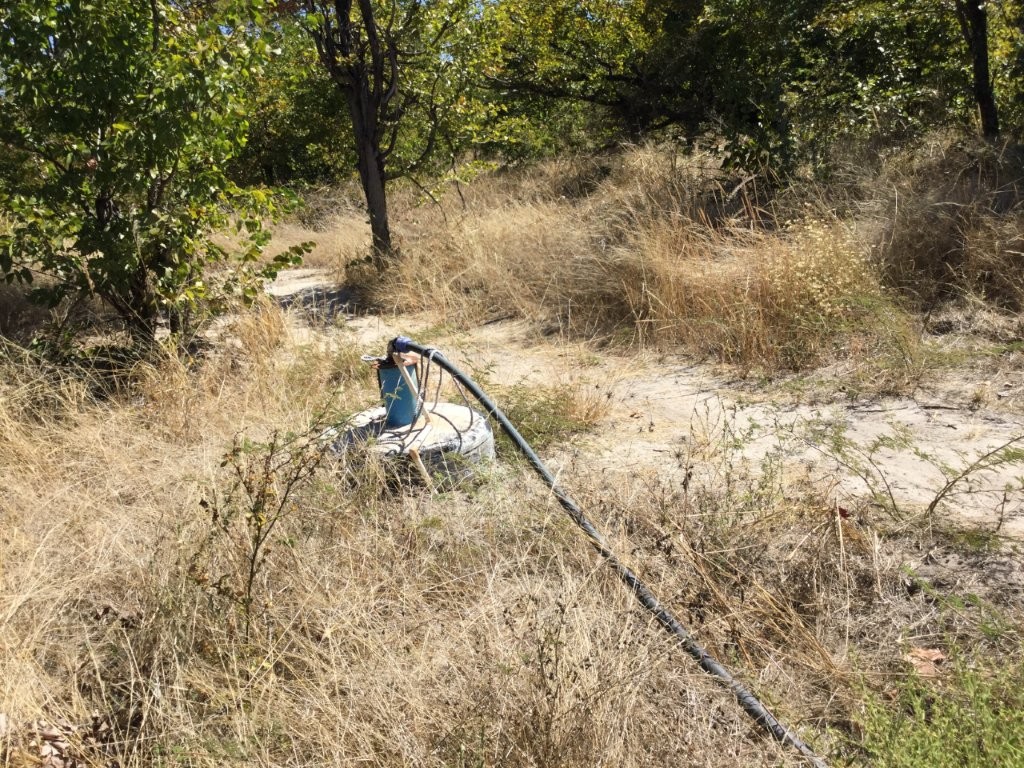
Borehole and underground water: The group visited the farm borehole, where they learnt about underground water and its importance to the farm. The children were taught about the role of boreholes in providing water for agricultural activities and the importance of using water responsibly.
Gomoti Channel: The Eco-Club members visited the nearby Gomoti Channel. They learnt about the importance of rivers and channels to the environment, including their role in supporting ecosystems, wildlife and surrounding communities. The visit helped connect classroom lessons about water and the environment with real-life observations.
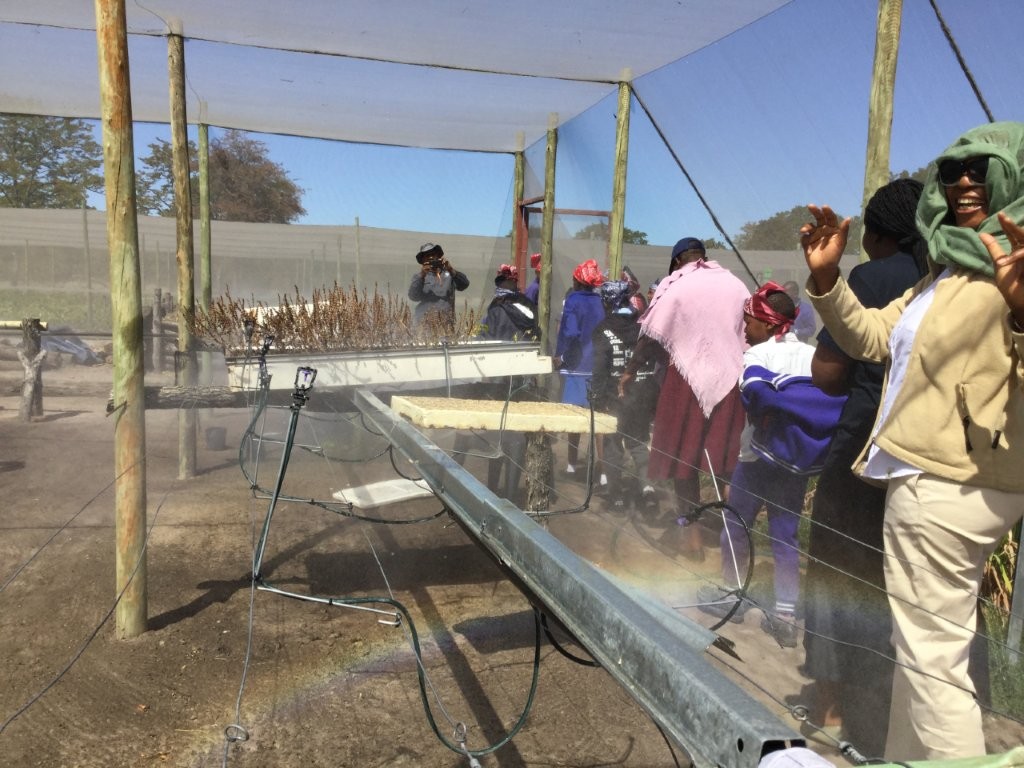

At the end of the field trip, the children took some time to reflect on the highlights of the visit and share what they had learnt from each station. The reflection session allowed learners to connect the different lessons and understand how composting, vegetable production, companion planting, renewable energy and responsible water use contribute to sustainable agriculture and environmental conservation.
The field trip provided the learners with practical experiences that complemented their weekly CITW Eco-Club lessons. It also encouraged curiosity, teamwork and appreciation of sustainable practices.
In essence, the benefits of this practical farm visit can’t be overstated. It exposed the children to hands-on agricultural practices and demonstrated how environmental conservation can be integrated into everyday activities.
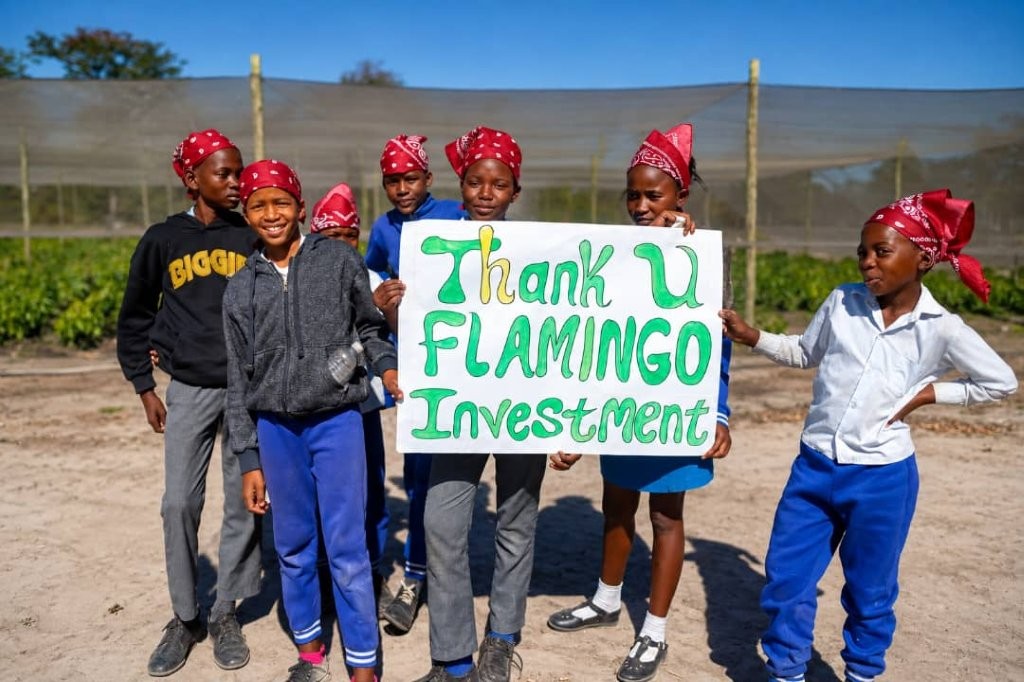
CITW Botswana would like to express our sincere gratitude to Flamingo Investments for its continued support of Shorobe Primary School and for making this learning opportunity possible. CITW also extends its appreciation to the Ministry of Child Welfare and Basic Education for granting permission for the school to release the Eco Club members to participate in the activity.
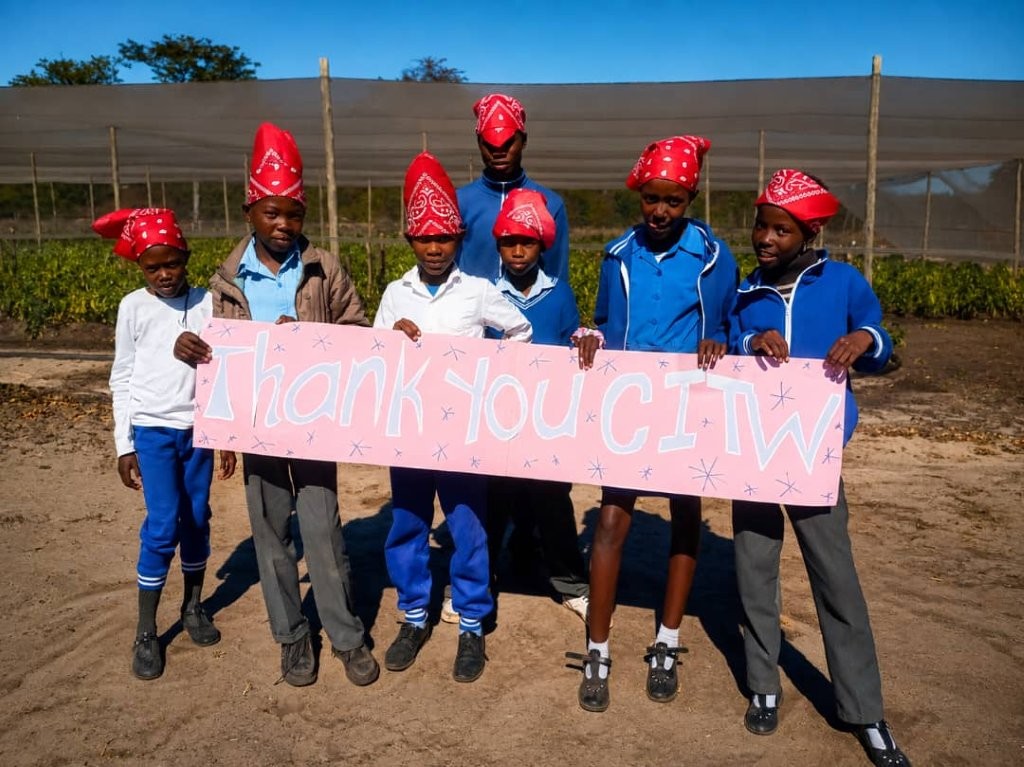
Special appreciation also goes to the parents and guardians for allowing their children to participate in the outing, and gain valuable practical knowledge outside the classroom.
Finally, CITW Botswana appreciates Tebogo and the farm staff for welcoming the learners, sharing their knowledge and providing an informative and engaging learning experience.
Compiled by Gaba Modirapula, CITW Botswana Administrator