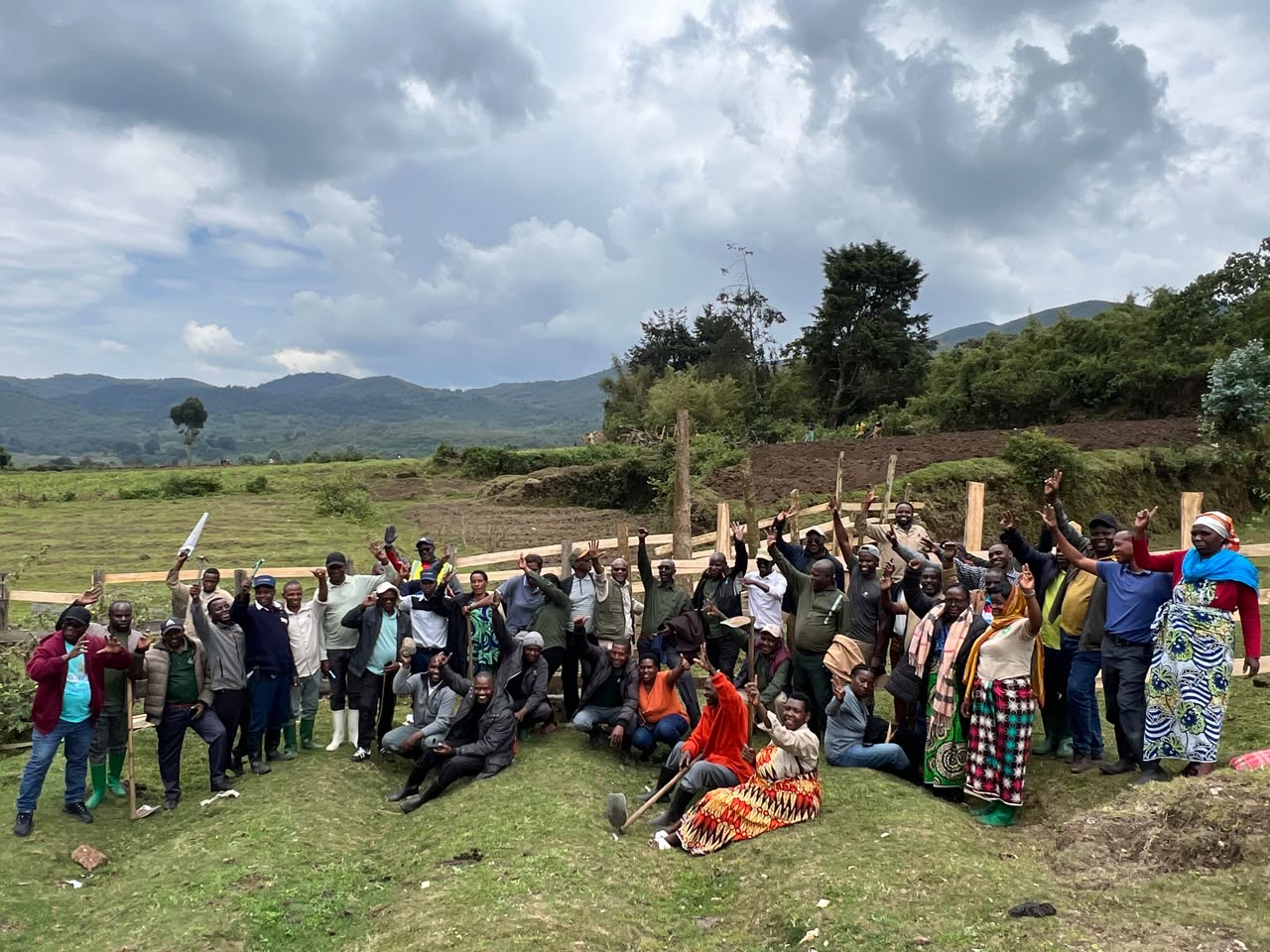
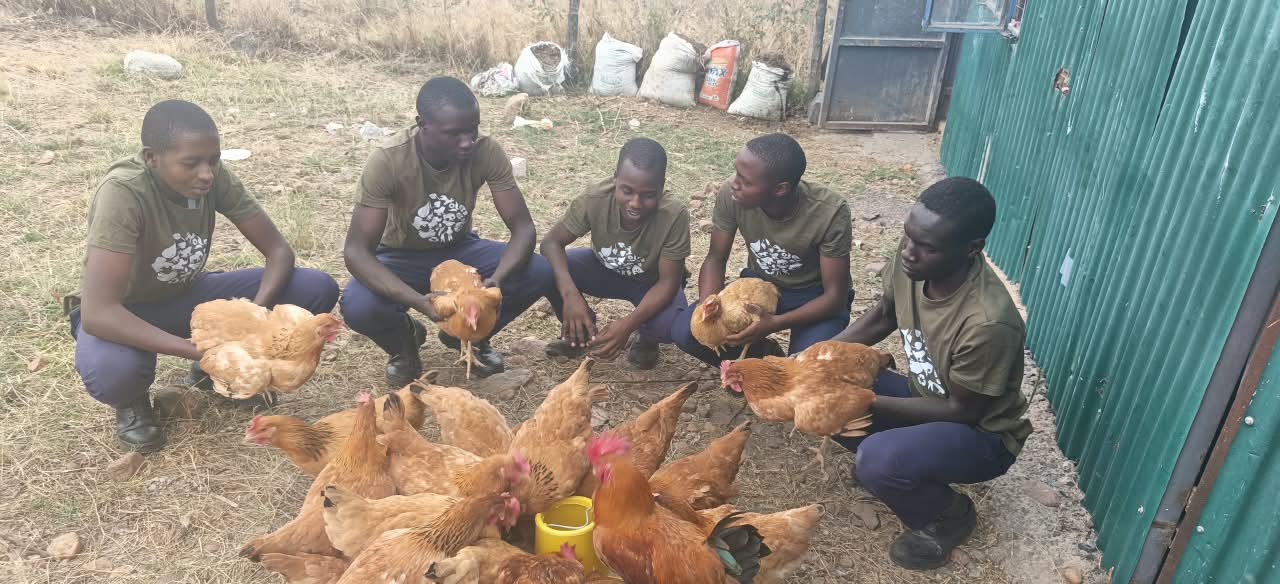
Earlier this year, Children in the Wilderness Zambezi carried out a series of teacher training sessions for Eco-Mentors – the dedicated educators leading our Eco-Clubs across the region. A total of 94 teachers from 47 schools took part in these sessions, held at Wilderness camps in Livingstone, Hwange and Mana Pools.

These trainings were designed to do two key things: strengthen understanding of the Eco-Club curriculum and programme structure, and provide teachers with the opportunity to experience the natural environments we are asking them to teach about. For many, this was their first time in a national park or seeing some of the wildlife that features in our lessons. We believe that for environmental education to be effective, teachers need to feel connected to it themselves.
The sessions took place at:
– Kashawe Camp: 46 teachers from 23 schools (Victoria Falls, Hwange, Lupane)
– Wilderness Linkwasha: 18 teachers from 9 schools (Tsholotsho)
– Wilderness Ruckomechi: 16 teachers from 8 schools (Hurungwe)
– Wilderness Toka Leya: 14 teachers from 7 schools (Livingstone)
Each training session followed a consistent structure over three days. Mornings started early with a game drive or nature walk, followed by group sessions on how the CITW programme operates. Teachers were introduced to monitoring and evaluation tools like the CHEAKS assessments and Eco-Club registers, as well as the importance of regular tracking and reporting. The curriculum sessions focused on Flow Learning, the model that underpins all CITW lessons. Teachers were guided through all four stages using the Web of Life as an example, and then worked in groups to prepare and present their own lessons. The training also introduced the concept of multiple intelligences, helping teachers think more broadly about how to engage students with different learning styles.
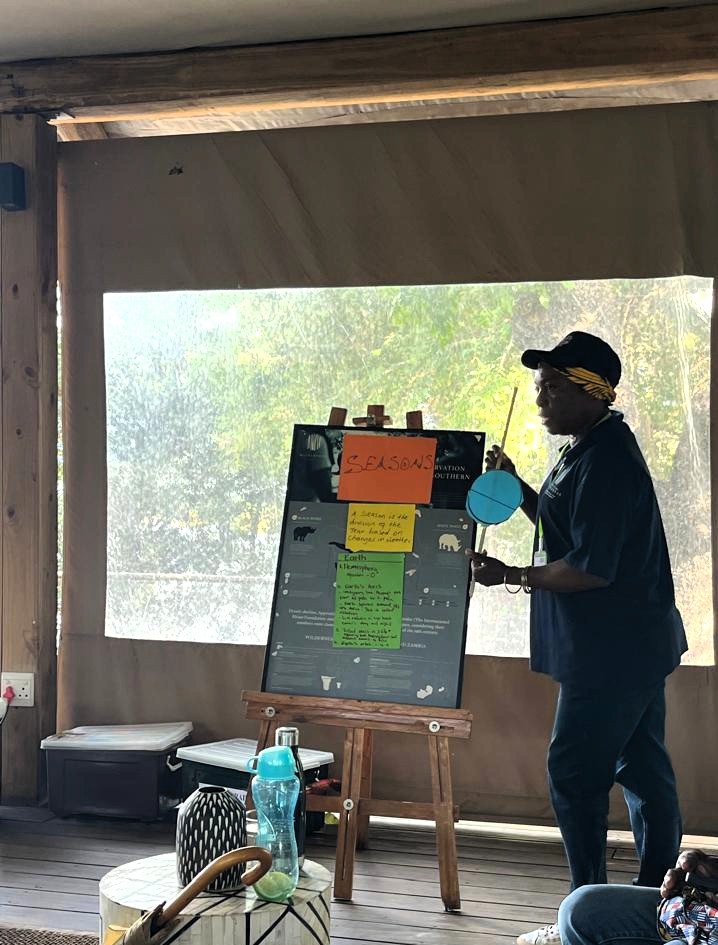
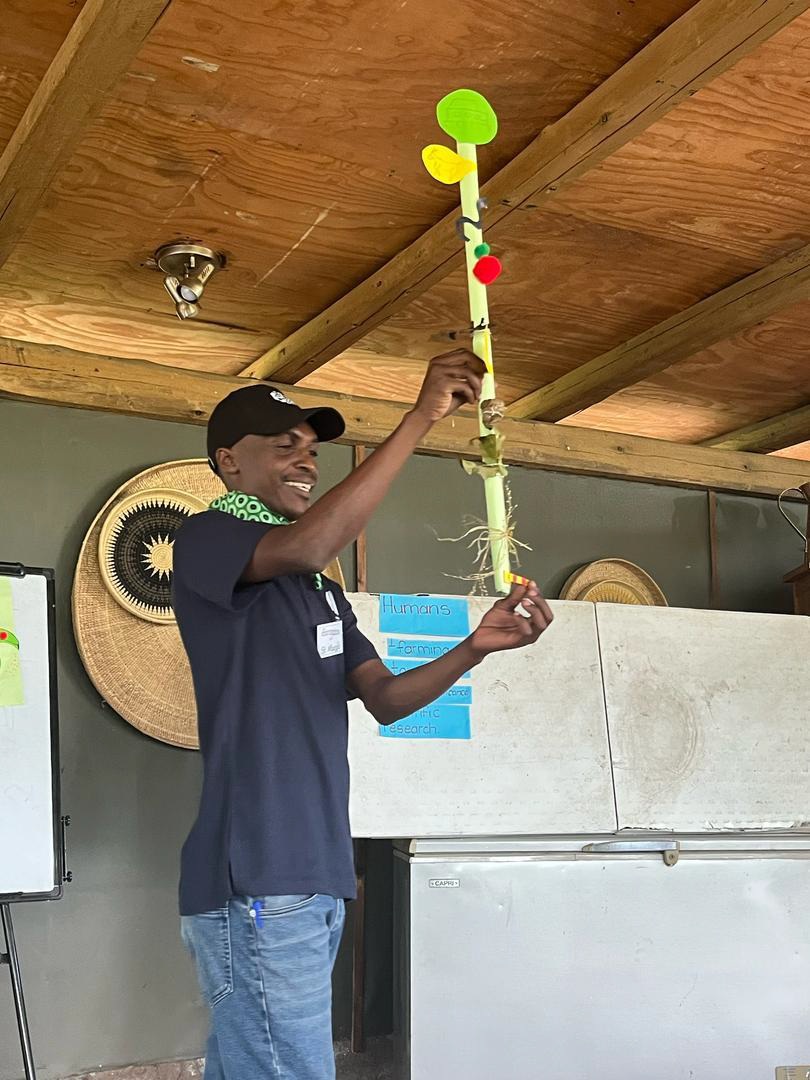
Afternoons included time to rest, reflect, and take part in a boat cruise or guided bush activity. Evenings were kept informal but meaningful, with time to share meals and discuss the day’s sessions. The final morning concluded with a game drive, tea, and a short certificate ceremony. These sessions were not about ticking boxes. They were about investing in the people who carry our programme into classrooms and communities. Giving teachers the space to experience the wild, to learn from each other, and to build confidence in delivering the Eco-Club lessons is a key part of ensuring this work is sustainable and impactful.
We are grateful to every teacher who joined us, and to the school leaders who supported their involvement. And to our partners and the Wilderness team who helped make the logistics, facilitation, and hospitality possible – thank you! These trainings were an important step forward in strengthening environmental education across the Zambezi Region.