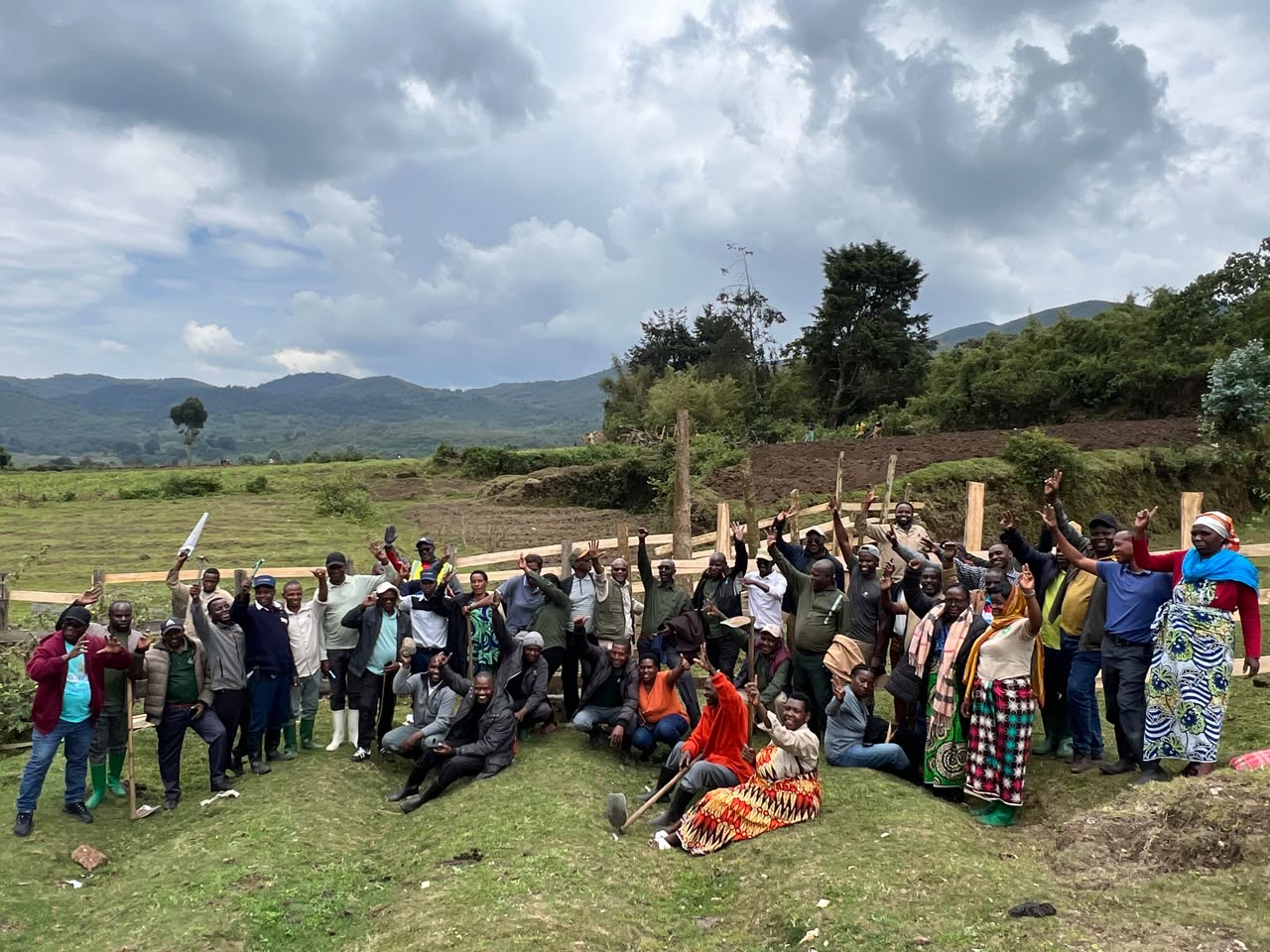
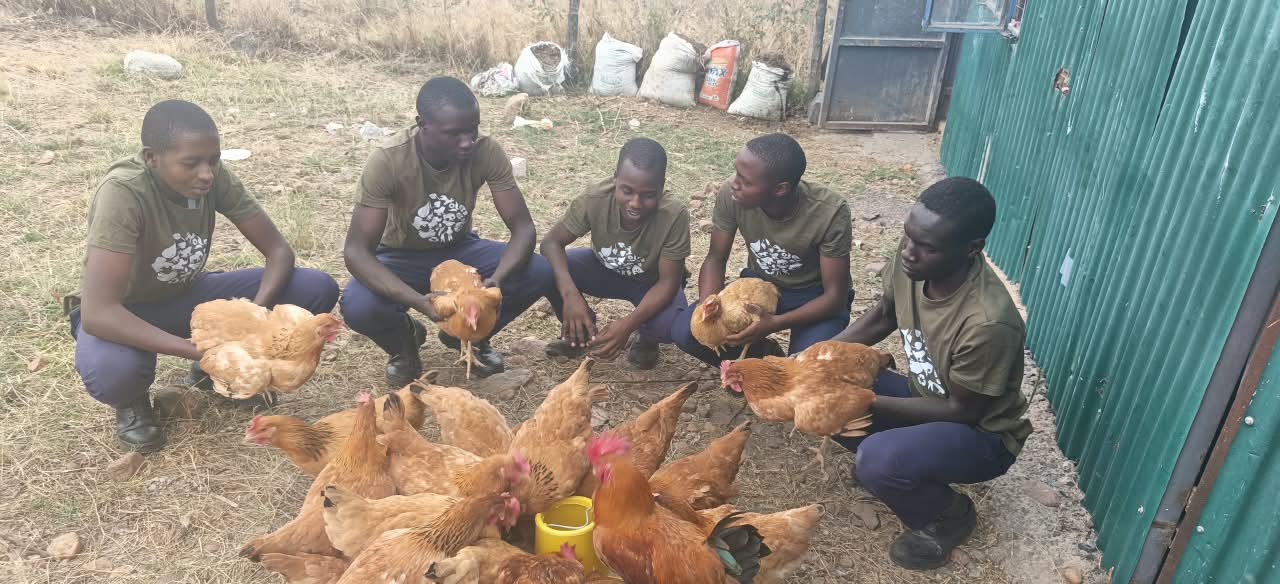
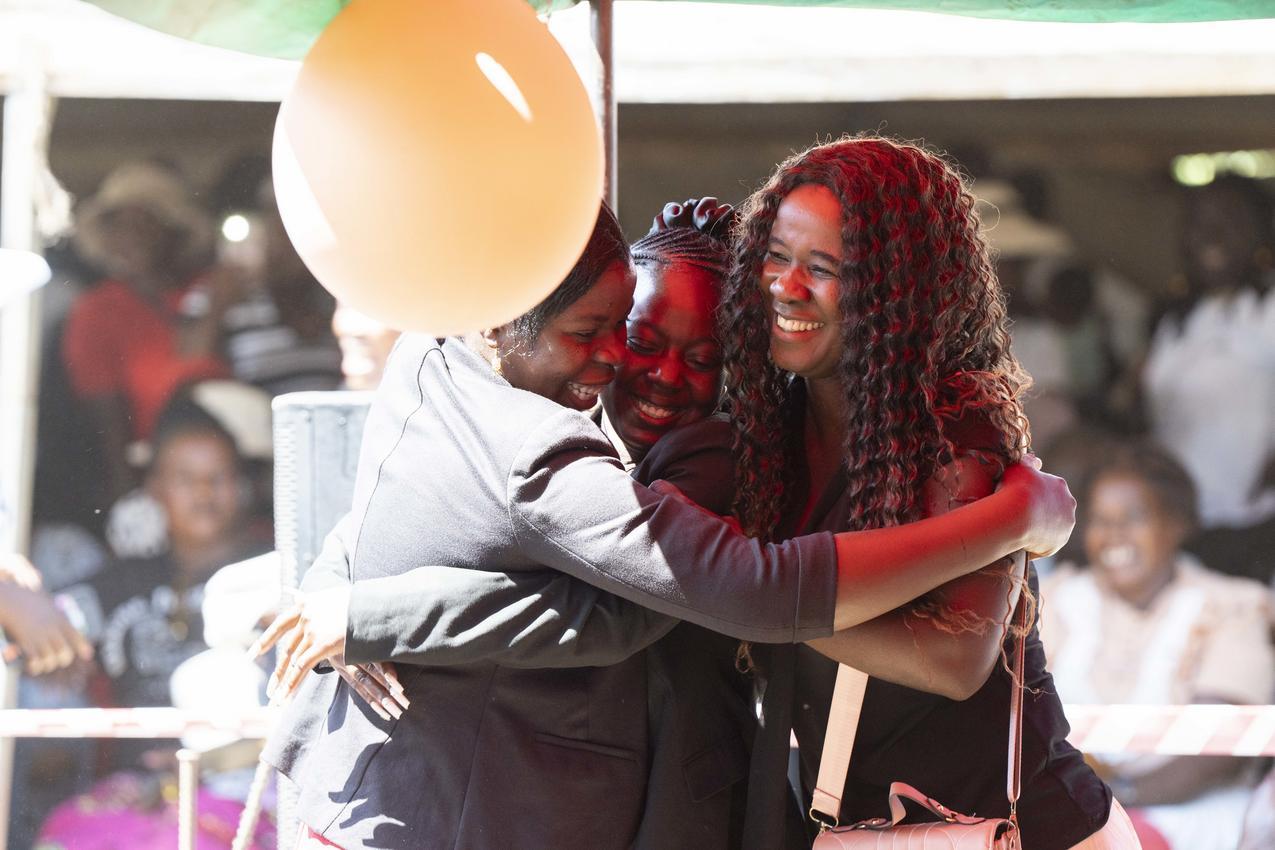
Wilderness Rwanda and Children in the Wilderness (CITW) and are extremely proud to celebrate the first 29 of our CITW scholarship members who finished high school in the 2024-25 academic school year! To mark the occasion, on July 28, 2025 we took them on an educational tour to Gishwati-Mukura National Park, as well as the hot springs in Rubavu District, both in Rwanda’s Western Province.

The trip was aimed at further expanding their understanding of environmental conservation, and to inspire their participation in restoring ecosystems degraded by human activity. We also wanted them to experience the national park and explore this new territory for them.


With Bisate Primary School’s proximity to Wilderness Bisate, Children in the Wilderness was launched at the school in 2018, a year after the lodge opened. Its focus has been firmly fixed on environmental education and improving the knowledge and skills of the children on subjects such as afforestation, biodiversity protection and waste management – essentially, everything related to the protection and conservation of the environment.


These 29 children have received the full CITW scholarships since 2019, when they started secondary school; the scholarships included six years’ worth of school fees, uniforms, access to the school’s feeding and all lesson materials. It also covered this tour’s expenses.


Some of the students shared how Wilderness and CITW have changed their lives, and the commitments they have made moving forward.
Jeanette Muhawenimana shared: “Children in the Wilderness helped me tremendously and gave me a life-changing opportunity because I was able to attend school and graduate. Things I once viewed as distant dreams due to my family’s limited financial capacity became reality.
“I received all the necessary materials, fees, uniforms, and school feeding, etc., which encouraged me and boosted my academic performance”.
She continued: “It was my first time visiting any national park. I witnessed the importance of conserving forests, learned about their history, and saw how they were restored after being damaged by agricultural activities.
“That inspired me to become a peer educator in my community, especially for those who didn’t have the same opportunities I did”.

Gervais Niyonsenga said the knowledge he gained from CITW influenced his decision to pursue studies in forestry.
“Being sponsored throughout my studies gave me peace of mind and stability. But the environmental education I received helped me decide to study Conservation of Forests, so I can go deeper, and contribute to protecting the environment, especially indigenous trees like Umugeshi (Hagenia abyssinica ), Umukore, (Dombea gotzen), Umusebeya (Albizia adianthifolia ), and Umuyove (Entandrophragma excelsum ), which are at risk of extinction”.
Listen to this snippet from a heartfelt voice-note of thanks sent to Aline from student Patrick Nizeyimana (circled in the image below).

Aline Umutoni CITW and Community Manager for Wilderness Rwanda added, “We have been eagerly awaiting this moment, and we are so proud to say that among the 200 CITW scholarship students who have received the full six-year scholarships since 2019, 29 have now graduated. When a child learns a lesson early in life, they grow up valuing it deeply; they love it and understand it. This is why we start working with children as early as their fourth year of primary school. We also provide a full scholarship for six years when the students start high school, to ensure a quality education.

“However, we would not have achieved this goal so successfully without the Wilderness guests and other donors who have supported these students. There are many, many of them, and we thank you a lot for sponsoring the CITW programme in Rwanda”.
~ Aline Umutoni
Speaking from Gishwati, Aline said, “Today we’re thrilled to be accompanying these 29 CITW graduate students on a field trip to Gishwati-Mukura National Park and Rubavu’s hot springs. All of these students live close to Volcanoes National Park in Kinigi, and this exposure helps them to appreciate that conservation and tourism opportunities exist across the entire country, further inspiring them to actively engage in these efforts”.
Theobard Kayiranga, Vice Mayor in charge of Social Affairs in the Musanze District praised Children in the Wilderness for educating the youth about environmental protection, and promoting tourism.
“We sincerely thank them for their co-operation in mobilising our people, especially the youth, to protect the environment and biodiversity. This is a strong foundation for the sustainable development of our tourism sector. We also appreciate the role of Wilderness Bisate in this partnership, as it helps the youth access employment, and participate in forest and wildlife conservation, reducing illegal activities like poaching that occurred in the past”.


Thierry Aimable Inzirayineza, Co-ordinator at the Forest of Hope Association and a park guide, noted that Children in the Wilderness plays a significant role in raising awareness about Gishwati-Mukura National Park, helping to reverse the damage that had reduced the park’s forest cover from 28 hectares to just 2% in the 1990s. Thanks to conservation efforts, forest regeneration is now progressing steadily.
“Gishwati-Mukura National Park is Rwanda’s fourth, and newest, national park. Activities like these field visits promote awareness and understanding of the park, its wildlife – especially the monkeys and chimpanzees – the Kazeneza waterfall, various bird species, and its important and diverse tree species. When children experience this first-hand, conservation lessons become more impactful”, said Thierry.

Children in the Wilderness works with three partners (pictured above) in the Bisate area: Conservation Heritage – Turambe, Muhisimbi Voice of Youth in Conservation, and the Dian Fossey Gorilla Fund – and representatives from the three partners, as well as Bisate Primary’s Head Teacher Dancille Mukakamari, joined the celebration, and helped to host the students on this trip.
“What you should know about Gishwati-Mukura National Park”, said Placide Nkurunziza Niragire, Community & Conservation Warden for the park, “is that it is located in the hills of Western Rwanda, between Rutsiro and Ngororero districts. Although it is smaller than other national parks in the country, it plays a vital role in biodiversity conservation”.
Gishwati-Mukura National Park was officially established in 2015 after decades of deforestation, due to land misuse, farming, and mineral extraction. It covers 3,558 hectares (8,800 acres) and was formed by merging two severely degraded forest reserves, Gishwati and Mukura, through projects funded by international organisations such as the World Bank, UNESCO, and ARCOS Network. Restoration efforts included indigenous tree planting, relocating forest dwellers, and creating development programmes that align with conservation goals.
Gishwati-Mukura is home to over 60 native tree species, including Myrianthus holstii, Symphonia globulifera, and Ficus spp. It provides vital habitat for chimpanzees, golden monkeys, and more than 230 bird species, including the rare Rwenzori turaco and red-throated alethe.
In 2020, the park opened its doors to tourists, offering forest walks and trail hiking, bird- and primate-watching, and learning about chimpanzees and their history, as well as community engagement around the park.
All these activities are co-ordinated by the partnership, together with the local community aspect run by Placide.
Do take a moment to watch this inspiring video of the day’s events.