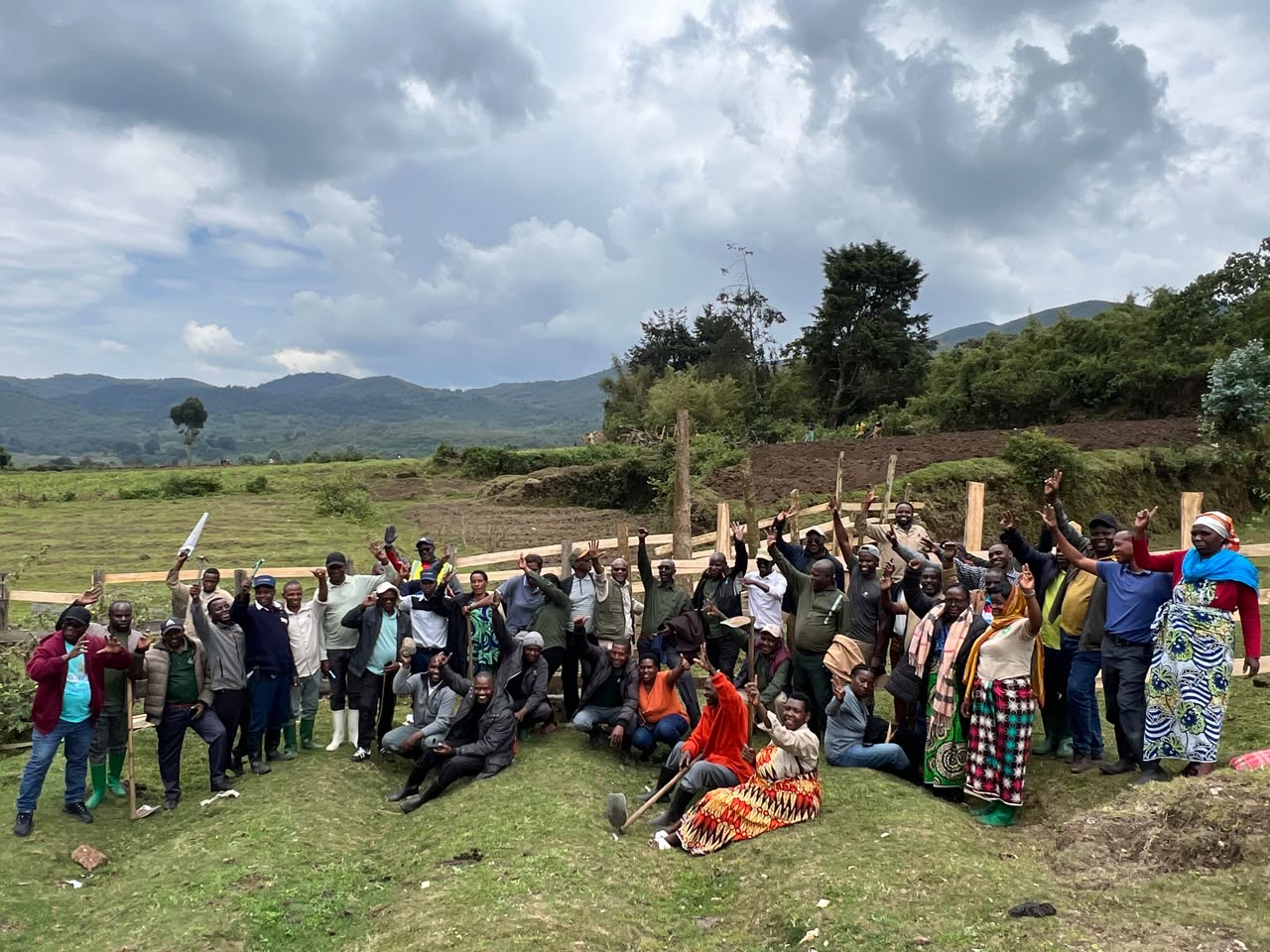
Children in the Wilderness Malawi (CITW) held its 2025 Youth Conference at Central African Wilderness Safaris’ Mvuu Camp in Liwonde National Park from January 7 to 9.

The topics of the conference included:
- Climate change
- Permaculture and adaptive agricultural practices
- The roles of youth in mitigating negative climate change effects
- Health issues affecting youths’ lives
- Adventuring into entrepreneurship
- The challenges that youths are meeting in their leadership growth and development process
The 40 participants included CITW youths who started out as Eco-Club members and subsequently moved on to the YES (Youth Environmental Stewardship) programme; these are young people who have excelled in their tertiary studies, and some have graduated and are working in their chosen fields. They can boast being members of CITW from between 5 and 20 years!
Climate Change
This session was facilitated by Matthews Malata, a renowned environmental activist in Malawi, who is also an ambassador for the environmental chapter in the Malawi Development Vision 2063. Matthews discussed international definitions and perceptions of climate change. He further talked about the causes of climate change, and its current status as it affects the economy of Malawi. He further helped the youth to identify their role in mitigating climate change effects, and finding ways of adapting. The participants were drawn into the process of learning and participation through a number of fun games and role-playing.

Permaculture and adaptive agricultural practices
This session was included to complement the topic of climate change issues, and finding ways of adapting to make agriculture as productive as possible – in the face of climate change’s negative effects. Some permaculture principles ensure that agriculture productivity can remain sustainable despite negative effects. The participants discussed areas of permaculture that could be considered solutions to some of the negative impacts on the environment and human life.
The roles of youth in mitigating climate change’s negative effects
Through group assignments the young delegates discussed and identified a number of opportunities for them to play a role in managing climate change effects. They further assessed a number of government and other organisations’ policies. Their main interest was in how the policies were framed in order to understand their potential inclusion. Through group presentations, they learned that most of the developmental and environmental conservation polices are very well framed, and do indeed provide for the inclusion of youth. However, it was also noted that not very much was happening apropos the actual inclusion of youth. They raised this as a point of further action.
Youth Health Issues
During this session the youth were taken through a number of actual health concerns. It was excellently facilitated by a CITW graduate who is also a university graduate in mental health, and currently working with the Ministry of Health in Zomba – that is, none other than Deborah Mataka Banda!


Deborah tackled, among other topics Youth… our hope for continuing life… continuing development… leaders… and champions of sustainable wildlife and conservation. She further cited a number of causes of ill health and how young people can navigate these challenges. Deborah then elaborated on causes of poor mental health, and how to avoid them. In closing, she inspired the youth with the prospect of a 100% healthy tomorrow, starting with themselves.
Ways of adventuring into entrepreneurship
This session was championed, and facilitated, by yet another fellow CITW youth, a university graduate in Business Technique & Entrepreneurship. Olipa Kumwenda took her fellow delegates through the theory and basic practices of successful entrepreneurship, pointing out a number of windows for micro-business ventures, and how to develop business spirit. This was a lively and interactive session, with the participants asking questions and taking a lot of notes. Olipa also demonstrated to her fellow youth how they could successfully manage their entrepreneurial enterprises, even from a small capital of, e.g., Mk10,000, to realising Mk millions in a year or two. “Gone are the days of going to school so that you can be employed; rather, today, go to school and become job creator”, challenged Olipa.

The challenges that youth are meeting in their leadership growth and development
This session was facilitated by Symon Chibaka (CITW Malawi Programme Co-ordinator), and two selected CITW alumni, Andrew Viano (ZBS News & Current Affairs Director), and Davie Nkosi (Assistant Forestry Officer – Nkhotakota District).
Symon’s talk covered Youth & Entry into Leadership. He further encouraged the youth to believe in themselves and know that the future belongs to them; to prepare for their leadership. The delegates were split into five groups, and given assignments to research youth leadership, inclusion and participation in development agendas. Each group was given enough time to analyse a number of development policies and to produce a PowerPoint presentation, which was followed up with group discussions. The participants discussed the strengths and weaknesses of some polices and agreed that they could initiate discussions with some leaders and policy makers to ensure that youth are actively included in Malawi’s leadership and development fronts.
The main conference workshops were followed by professional showcases. The 40 youths who attended the conference were representing 250 CITW youths who are tertiary education graduates, some of whom also now have jobs. The 40 participants grouped themselves into their professional categories, and each one shared their testimony about they made it to where and what they are now.
Their message to the children in our Eco-Clubs and other youth clubs that CITW manages was that it IS possible to visualise a better future, and work to achieve it. They also mentioned, from their hearts, that little by little they are indeed entering into leadership roles, in order to make their villages, community and their nation, better places for a better life.


Conclusion
Camps and conferences for children and youth are some of the main activities of the CITW programme. These activities bring participants together, and closer to their natural environment and wildlife, and provide forums for discussing means of conserving such precious resources.
Conducting this year’s youth camp and conference was a success, breaking the freeze on such activities since COVID 19. The youth took this year’s conference as a golden opportunity for them to come together and share their energy, and learn from experts about ways of achieving sustainable development and conservation of natural resources.
The youth that participated in this year’s camp have been members of the CITW programme for over 15 years. Some are now in college, while others have graduated, and are working in their professional fields. Most of these youths are visibly growing into leaders who are championing development at a national level. Our CITW philosophy is to facilitate sustainable conservation through leadership development. This face of the youth, and their drive to see leadership work towards achieving this desired sustainable development, is true evidence of the mission being accomplished.

Special thanks go to our supporters and sponsors. Their heartfelt passion and willingness to support CITW programmes truly allows CITW to achieve its goals.
CITW also thanks Central African Wilderness Safaris (CAWS). Being the mother organisation, CAWS provides continued support to CITW, such as now, closing its doors to paying guests and accommodating CITW children and youth, so that they can have a rare and precious opportunity of spending time in the wilderness, and learning about natural resources and the means to conserve them.
CITW also thanks African Parks Liwonde for giving free park entry to all CITW youth who attended this event at Mvuu Camp.

Report compiled by Symon Chibaka, CITW Malawi Programme Co-ordinator
15/01/2025