Building Environmental Leadership and Supporting Young People: August–September 2026
While schools were closed for the academic year-end holiday, Children in the Wilderness (CITW) Malawi continued to engage children and young people through Eco-Club and YES Club activities.
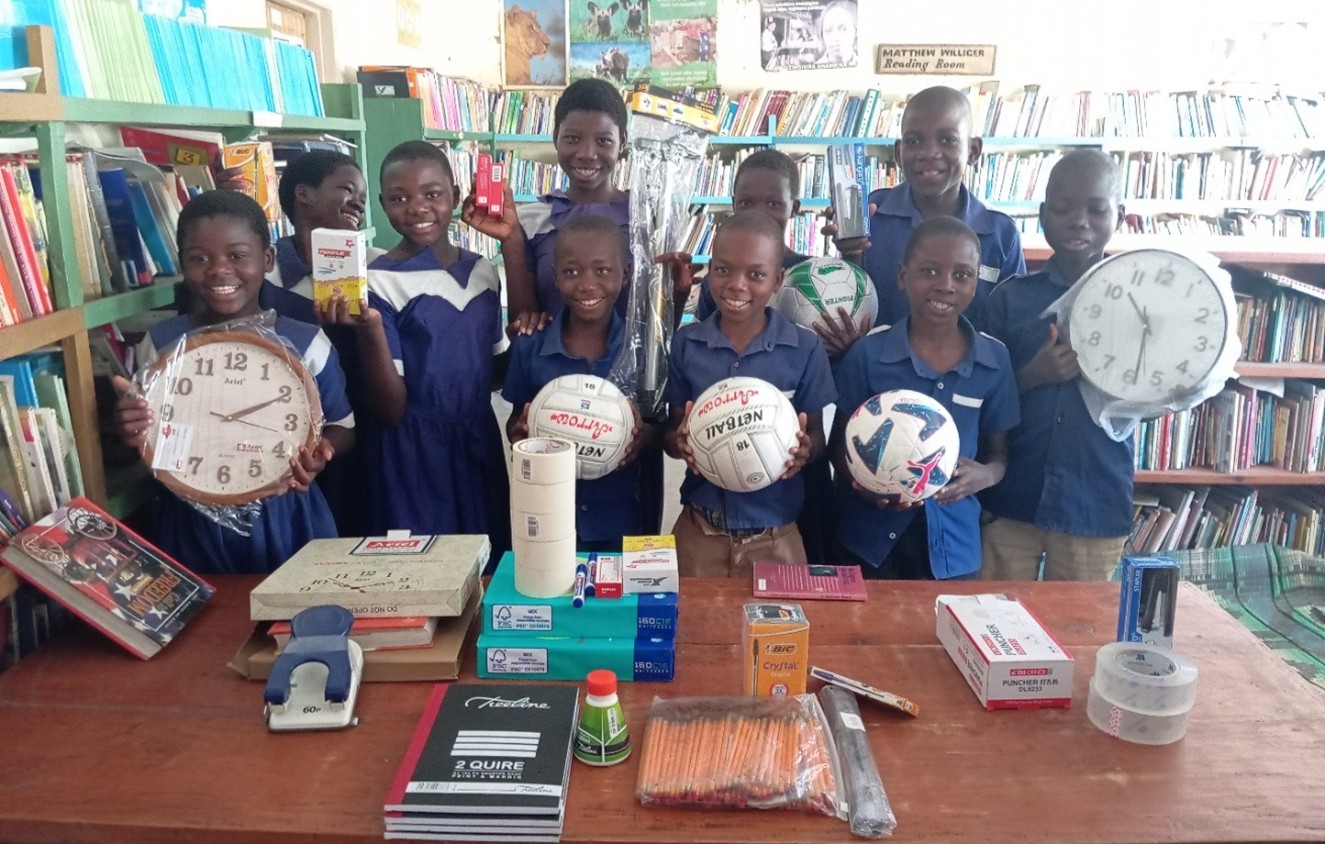
Above: Nanthomba Eco-Club with their donation from Seppo Tuomaala, a Central African Wilderness Safaris Mvuu Camp guest
The 2025-26 school year ended in July, with the new school year beginning in September 2026. However, during the holiday period, CITW Eco-Clubs continued to meet to work on environmental projects and connect with supporters and well-wishers. Teachers and mentors also organised regular Saturday activities to keep children and young people connected to the programme.
These weekly sessions – from one-hour meetings to practical project work – provide an important link between school terms. They give Eco-Club and YES Club members the opportunity to continue learning, working together and developing their interest in environmental conservation.
Preparing young people to share their conservation stories
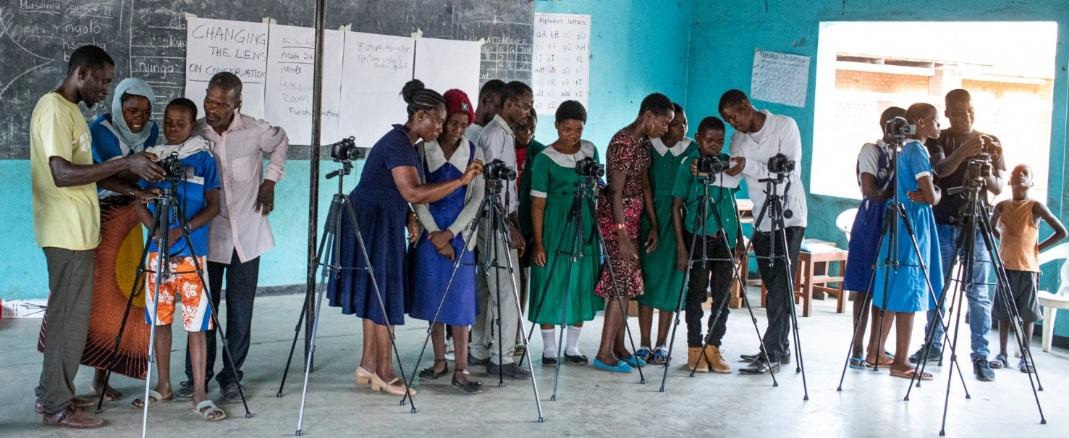
Above: A workshop on how to focus and capture a picture that tells ‘my story’
The start of the new school year coincides with a number of important CITW activities, including a joint Open Day in each of the programme’s three zones. These events will bring together District Government officials, private-sector representatives, traditional leaders, schools and members of the wider community.
In preparation, CITW children and young people have been developing their photography and storytelling skills. They are using cameras to document their experiences and the environmental issues that matter to them. With support from photography experts, their images and stories will be developed into large posters for display at the Open Day events.
This approach gives young people an opportunity not only to learn about conservation, but also to communicate what they have learned to their families, schools and communities.
Developing youth leadership
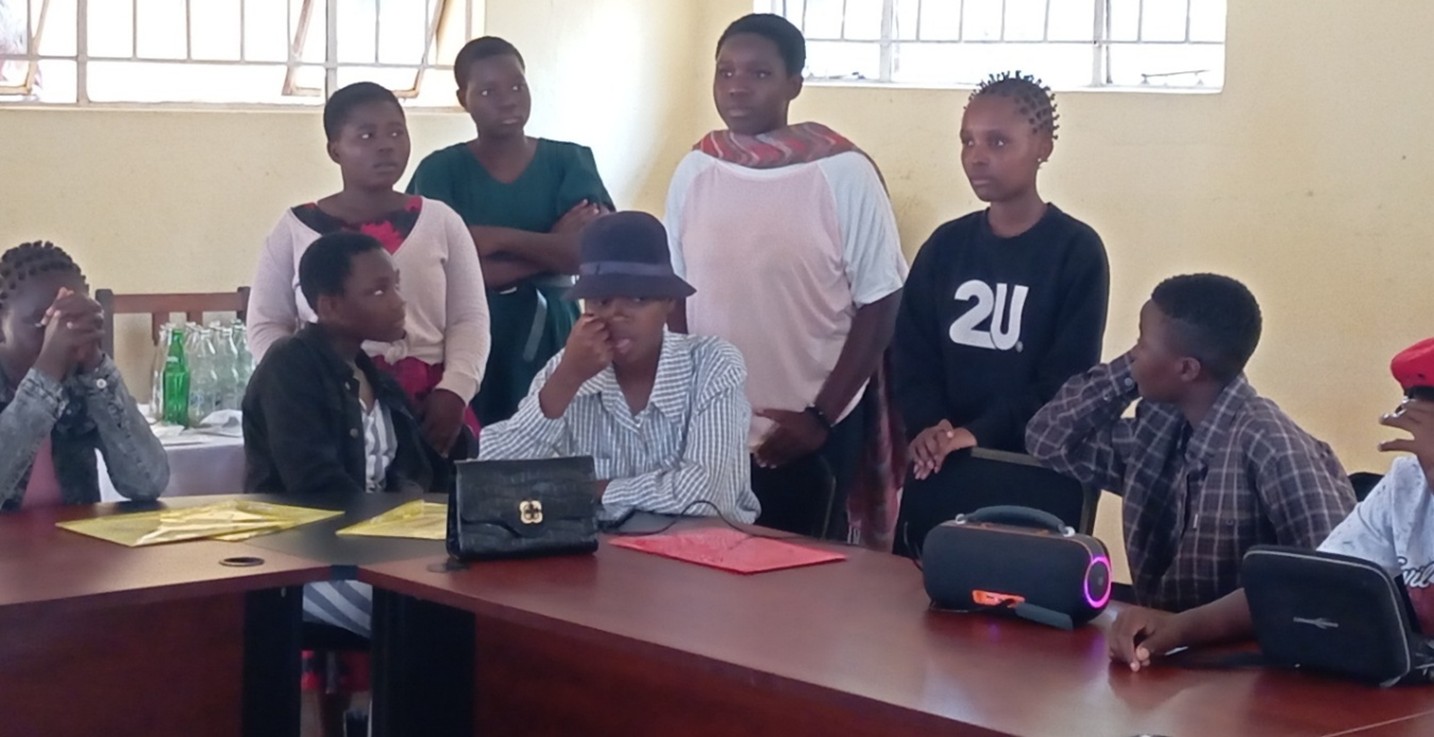
Above: The girls’ group prepared an environmental awareness presentation
As part of the preparation, we held a full-day leadership and teaching workshop for young people. The training focused on four key areas:
- Youth leadership at community level
- Supporting Eco-Teachers in running Eco-Clubs
- Understanding the CITW Flow Learning and Discovery approach
- Planning and delivering Eco-Club lessons and environmental projects
The workshop placed a strong emphasis on practical learning and on giving young people the skills they need to take an active role within their schools and communities.
Participants explored gamification, learning how games, challenges, quizzes, scoring and friendly competitions can make lessons more engaging. They also explored experiential learning, which encourages children to learn through practical activities, projects, role play and real-life experiences rather than relying solely on classroom instruction.
Turning local environmental challenges into action
The training was particularly relevant because the young people are already involved in communicating environmental issues within their communities.
As part of the workshop, participants were divided into boys’ and girls’ groups and asked to develop communication campaigns around real environmental challenges.

Above: The boys’ group at work on their presentation
The boys focused on overfishing in Lake Malawi, while the girls addressed deforestation in their local community. Each group developed a message, and considered creative ways to attract public attention, including music and the use of a public-address system.
The exercise encouraged the young people to move beyond identifying environmental problems and to consider practical solutions that could be communicated to local communities and leaders. Both groups presented their work and received feedback to help strengthen their messages.
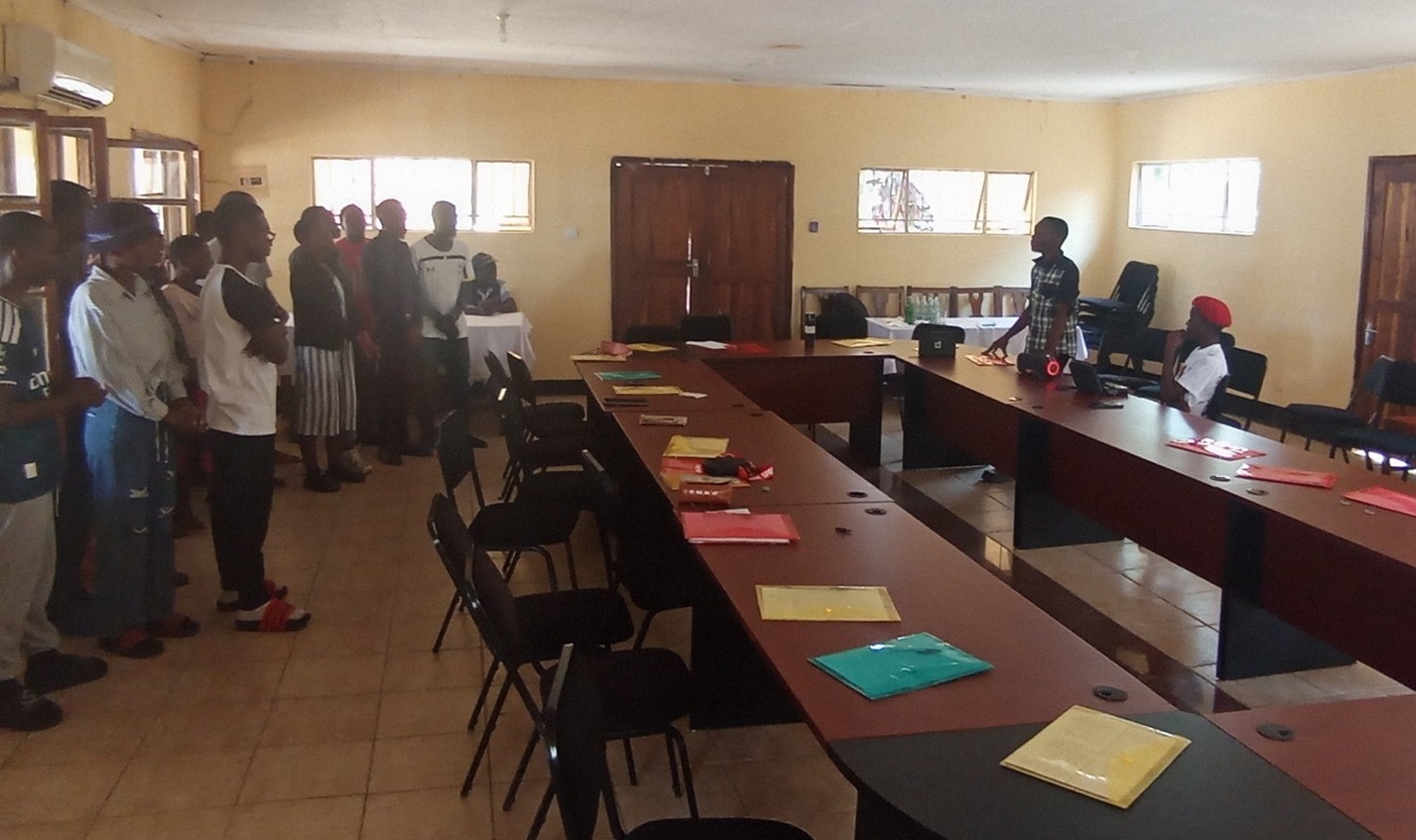
Above: Group presentation sessions
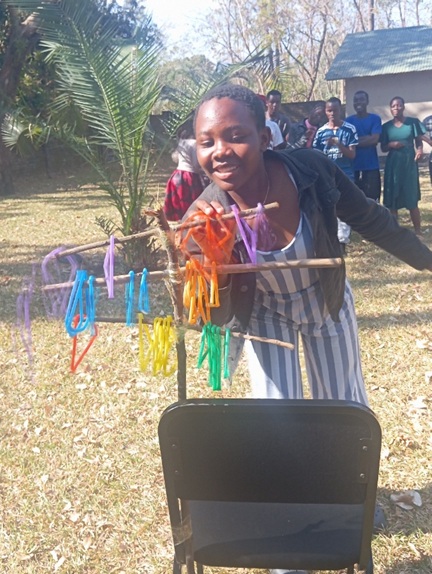
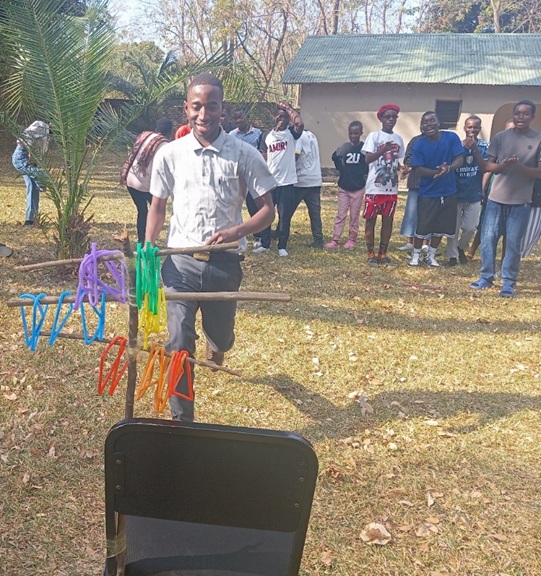
Above: The girls’ group competing with the boys, learning through games and competitions
Learning through the CITW Flow Learning approach
A central element of both the teacher and youth workshops was the CITW Discovery Learning Model, which is aligned with the programme’s Flow Learning approach.
The approach consists of four stages:
- Awaken Enthusiasm – using games and energisers to engage participants
- Focus Attention – directing that energy towards the subject being explored
- Direct Experience – giving participants practical assignments and opportunities to learn by doing
- Share Inspiration – reflecting on what has been learned, sharing discoveries and receiving feedback
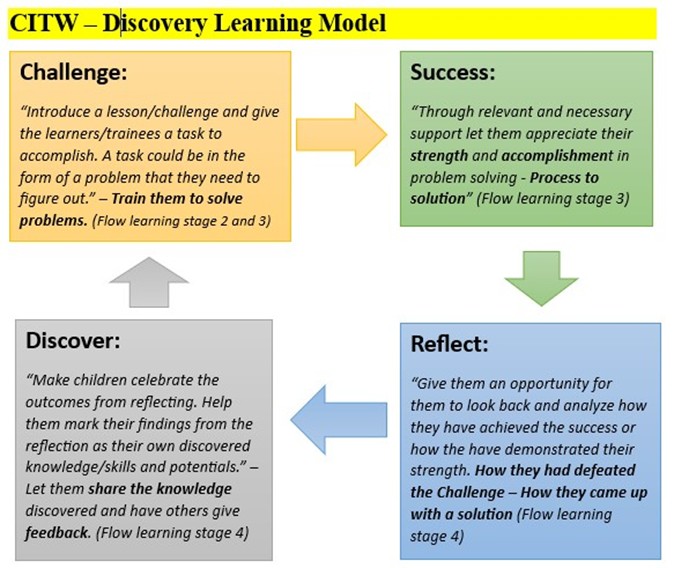
The aim is to encourage young people to become active problem-solvers. Rather than simply being given information, they are presented with challenges, supported as they work towards solutions, and then encouraged to reflect on what they have learned.
This process helps participants recognise their own strengths and develop confidence in applying their knowledge to real situations.
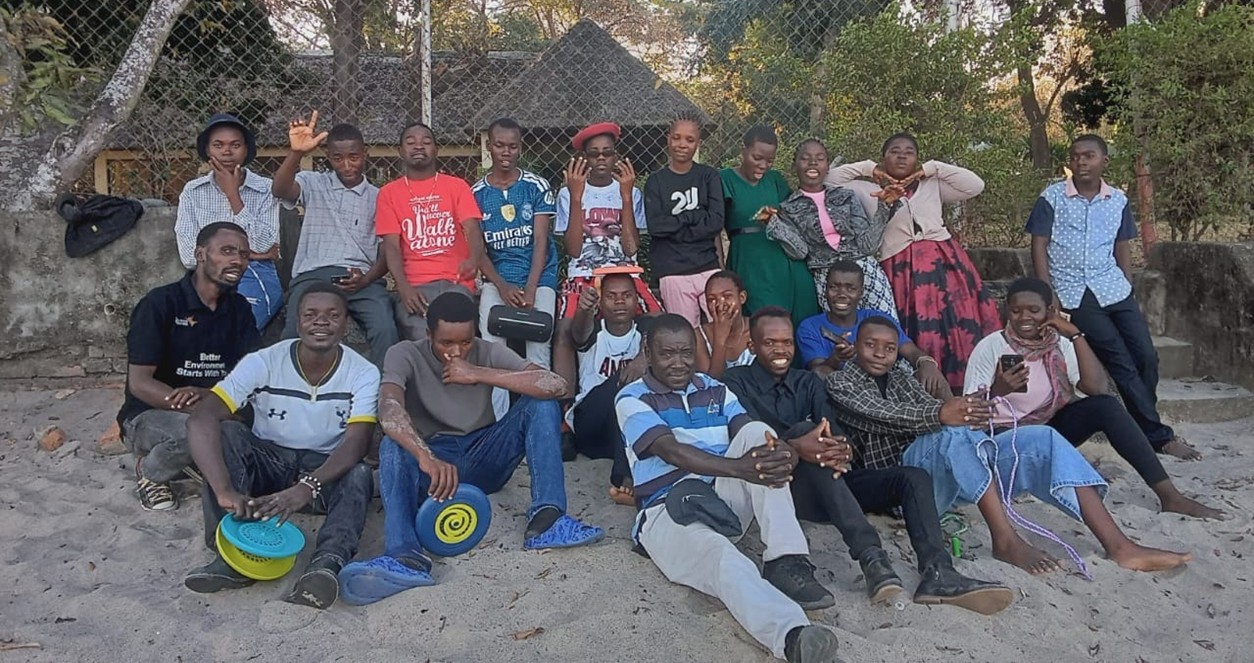
Above: CITW youth and their mentors after the workshop
Supporting young people beyond school
CITW’s work with young people does not end when they leave school.
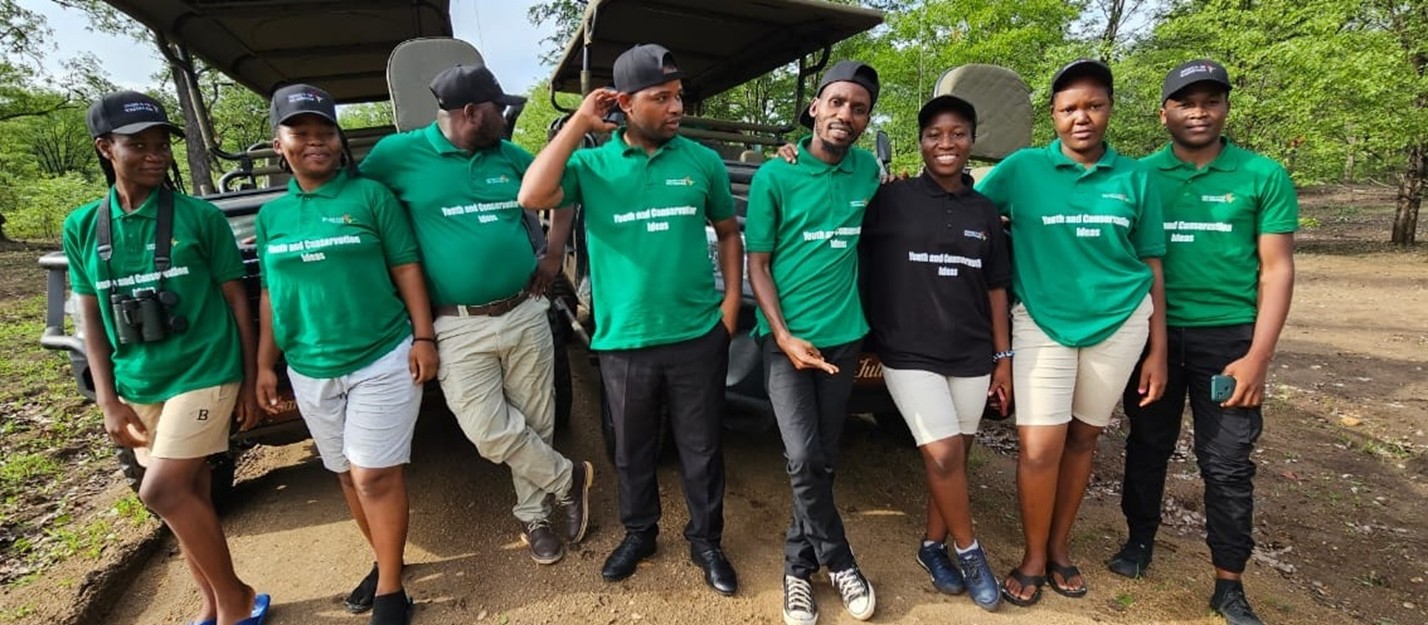
The programme continues to support university students, graduates, working youth and those taking on leadership roles in their villages and communities. The goal is to help them build on the interests and ambitions developed through their earlier participation in CITW.
Two recent examples demonstrate how this long-term support can translate into further opportunities.

Lughano Mwalwanda (left), an advanced CITW participant, recently graduated with a degree in Biochemistry from the Malawi University of Science and Technology. In September, the CITW family celebrated his next step: travelling to France to begin a Master’s degree in Chemical Engineering at Grenoble University of Technology.
Another former CITW participant, Davie Nkosi (below), is now developing his career in agroecology, sustainable food systems and climate-resilient agriculture. He is pursuing a Master’s degree in Sustainable Development and Agroecosystem Resilience at the Italian Agronomic Institute of Bari, while working in agricultural research and development.
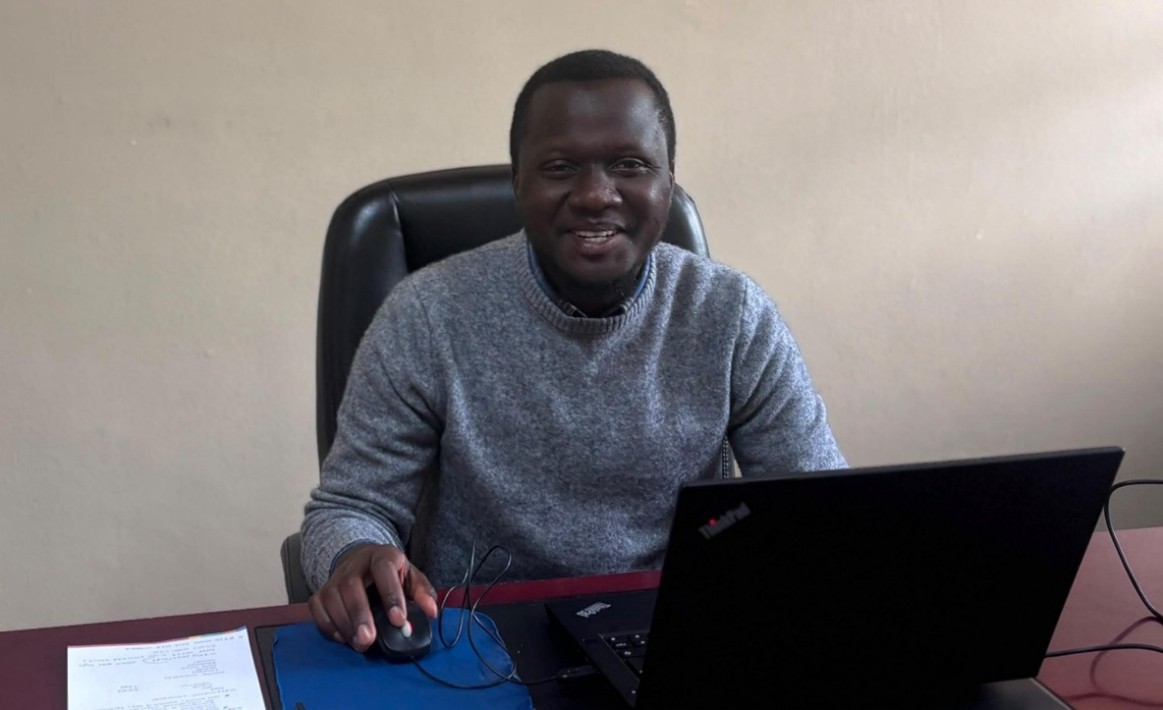
Davie’s journey began as a CITW Eco-Club member in primary school. He later became a YES Club member in secondary school and continued his involvement as a tertiary student. In September 2026, his work was highlighted in his institution’s publication as that of an emerging researcher in sustainable environmental management.
Strengthening support within schools
CITW also brought together Eco-Mentors, local teachers and primary school principals for workshops designed to strengthen the programme at school level.
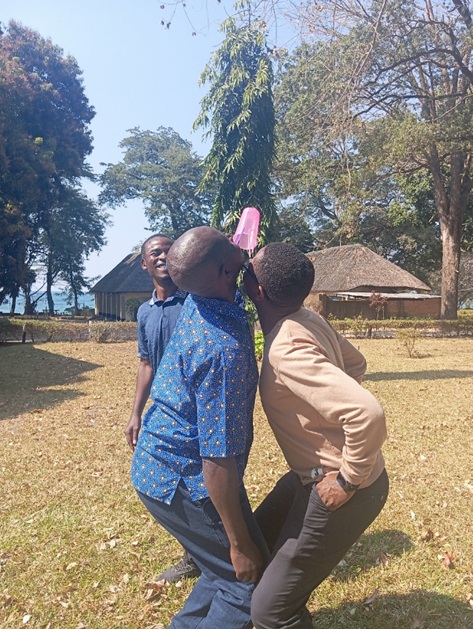
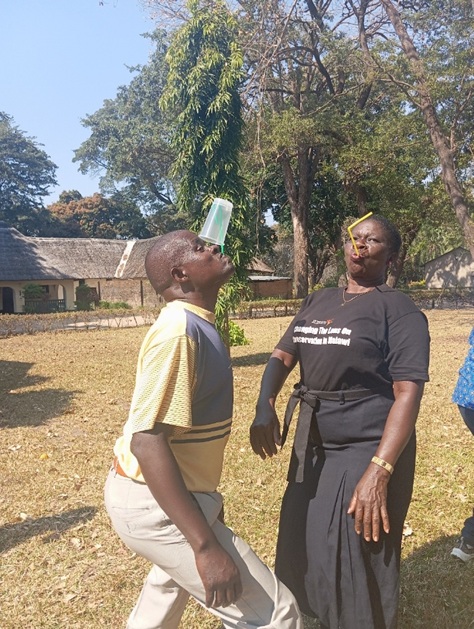
Above: School Principals come shoulder-to-shoulder with their teachers in the teaching-learning process
Ten teachers – two from each participating primary school – joined five school principals for the zonal workshop. The sessions introduced new teachers and mentors to the CITW programme and its teaching approaches, while giving school principals a better understanding of how Eco-Clubs operate and the time and support required from teachers.
An important part of the workshop was learning through games. Teachers and principals participated together in practical activities, experiencing the Flow Learning approach themselves rather than simply discussing it in theory.
The intention was to strengthen relationships between school leadership and CITW teachers and to build greater institutional support for Eco-Clubs.
The feedback from participating principals was encouraging. They reported that they had gained a better understanding of why CITW mentors engage so closely with children, how they could support the programme within their schools, and how they could raise awareness of CITW at higher administrative levels. Several principals also requested to be included in CITW’s zonal WhatsApp groups and asked to become more involved in future CITW events.
Looking ahead
As the 2026–27 school year gets underway, CITW Malawi is continuing to build on the work undertaken during the school holidays.
Through Eco-Clubs, youth leadership development, teacher training and ongoing support for young people beyond school, the programme is developing environmental knowledge alongside practical leadership and communication skills.
The continued involvement of teachers, mentors, school principals, communities and programme supporters is an important part of this work. Together, they are helping young people develop the knowledge, confidence and practical experience to contribute to environmental conservation in their communities.
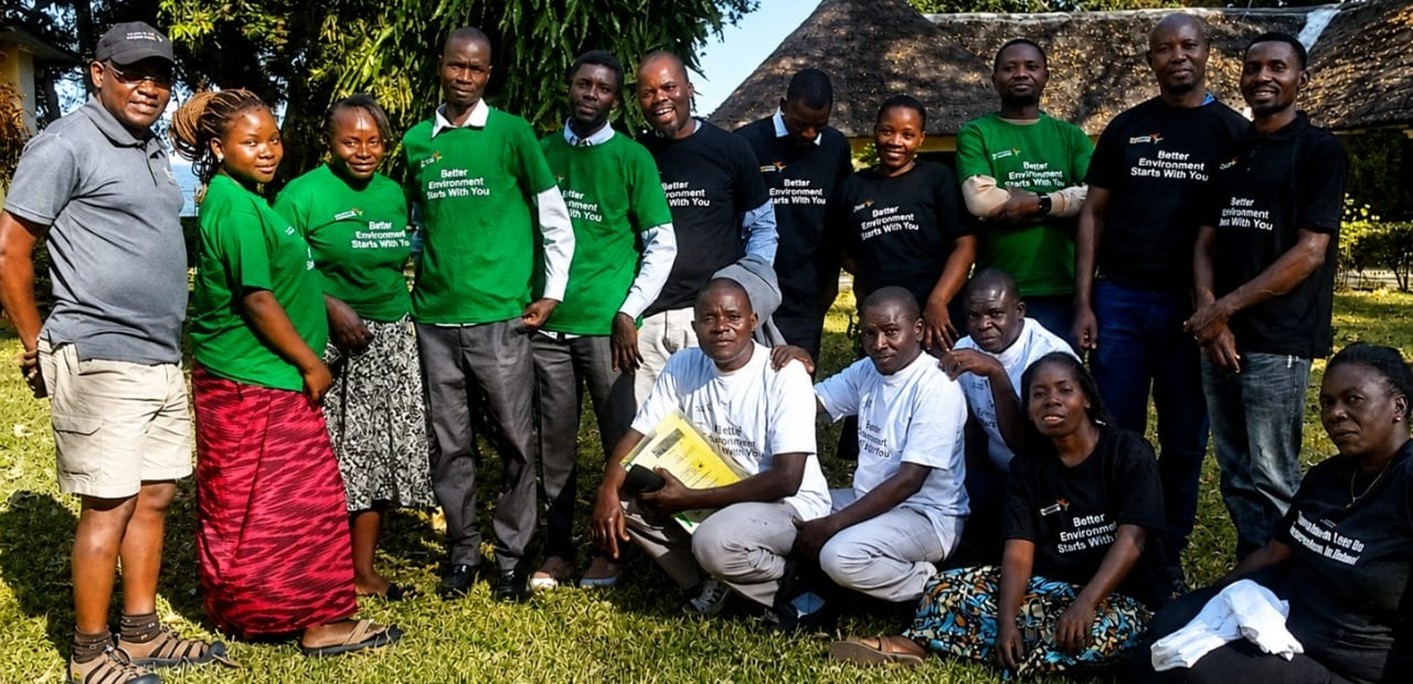
Above: Chihame zone workshop for Eco-Mentors, Teachers and School Principals
Facilitating Sustainable Conservation through Leadership Development
Report compiled by Symon Chibaka, CITW Malawi Programme Co-ordinator – 21 September 2026