‘In every walk with nature one receives far more than he seeks.’ – John Muir
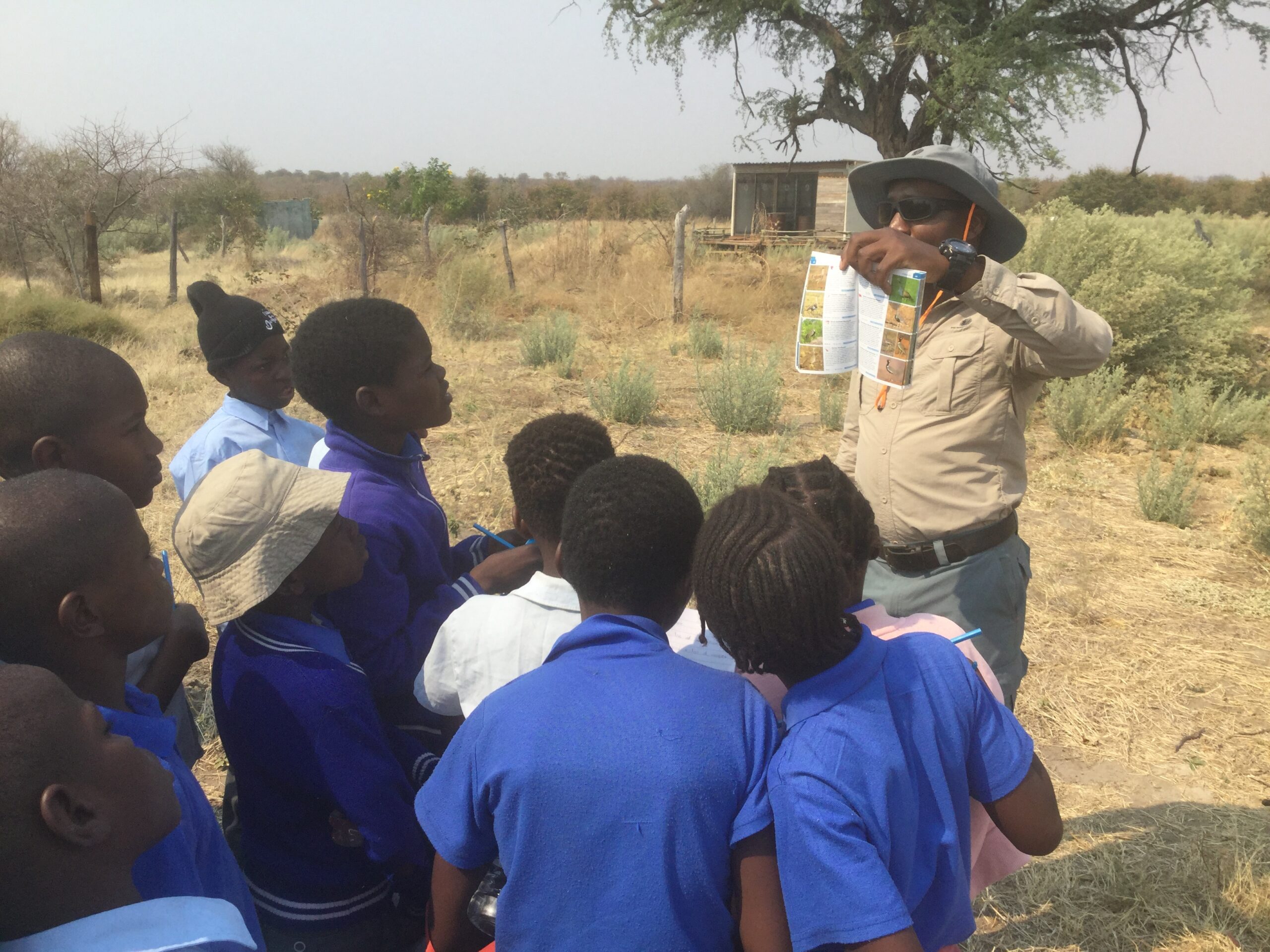
On the 19th of September 2026, the Children in the Wilderness (CITW) Botswana team, accompanied by Wilderness Savuti Guide, Tyson Mbamba, travelled to Sankoyo Village to facilitate a nature walk for the primary school’s Eco-Club members.

Sankoyo is a small village in the North-West District of Botswana, situated close to both the Okavango Delta and Moremi Game Reserve. Due to its proximity to wildlife areas, the community experiences regular interactions with wild animals, meaning human-wildlife coexistence is an important aspect of everyday life.
The nature walk was organised to help the Eco-Club members gain a deeper appreciation for living alongside wildlife, while learning about the importance of conservation and responsible environmental stewardship.

Before the walk, Tyson held a safety briefing; he highlighted the precautions necessary when walking in nature where wildlife may be present. Following the briefing, Tyson, together with Keobakile Kelesamile, an escort guide from the Sankoyo Trust, led the Eco-Club members on their educational walk through the area surrounding the village, sharing insights on local flora, fauna, bird species, and the principles of human-wildlife coexistence.
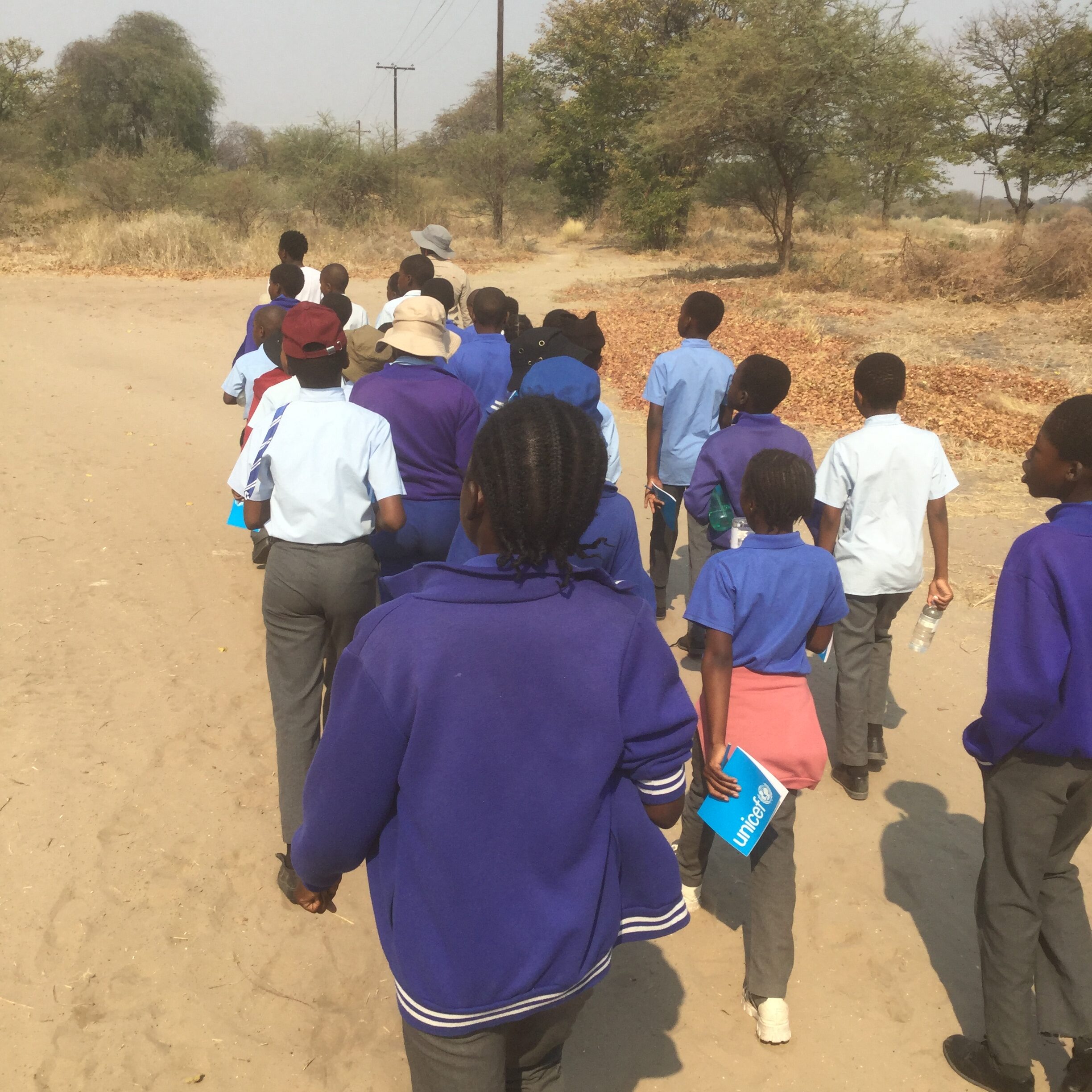
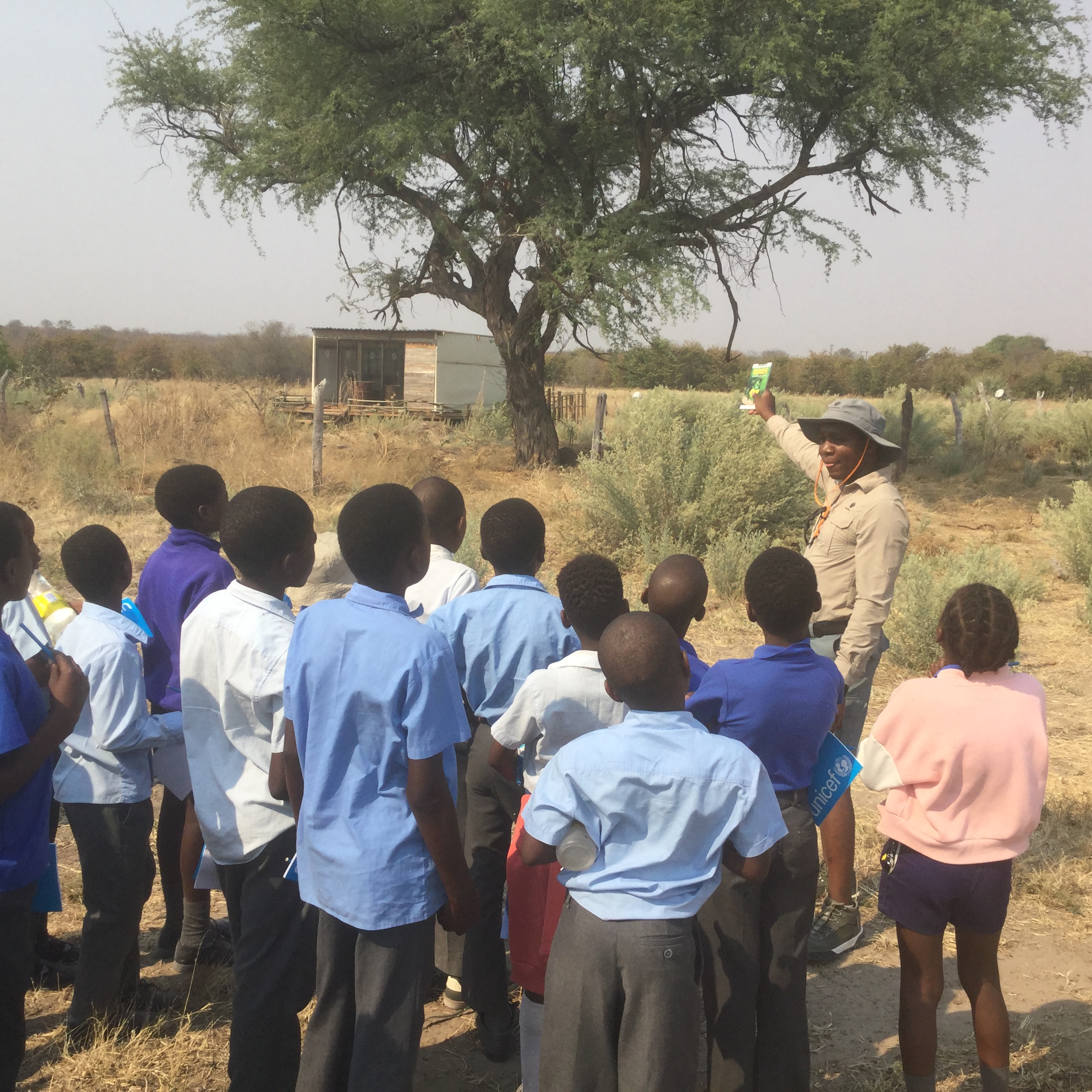
Importantly, the walk also provided an opportunity for Eco-Club members to identify and learn about the various plant species and birdlife found within their local environment. The nature walk proved to be an eye-opening experience for the children, many of whom had previously simply taken for granted the plant species and natural resources found within their surroundings. With Tyson’s knowledge and guide, the learners soon found a deeper appreciation for their local environment. It was extremely encouraging to observe how the activity quickly sparked their interest and increased their attentiveness to the natural world.
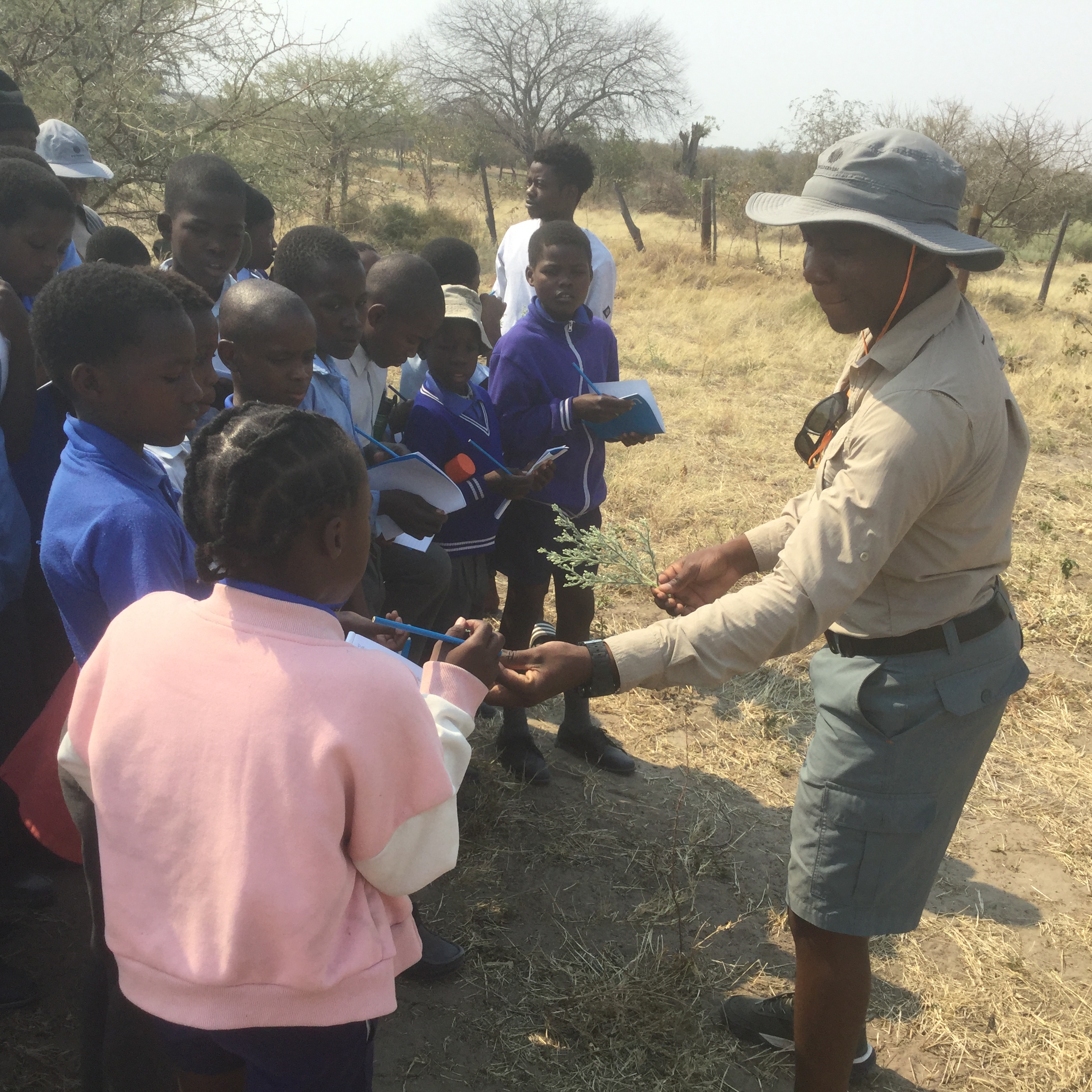
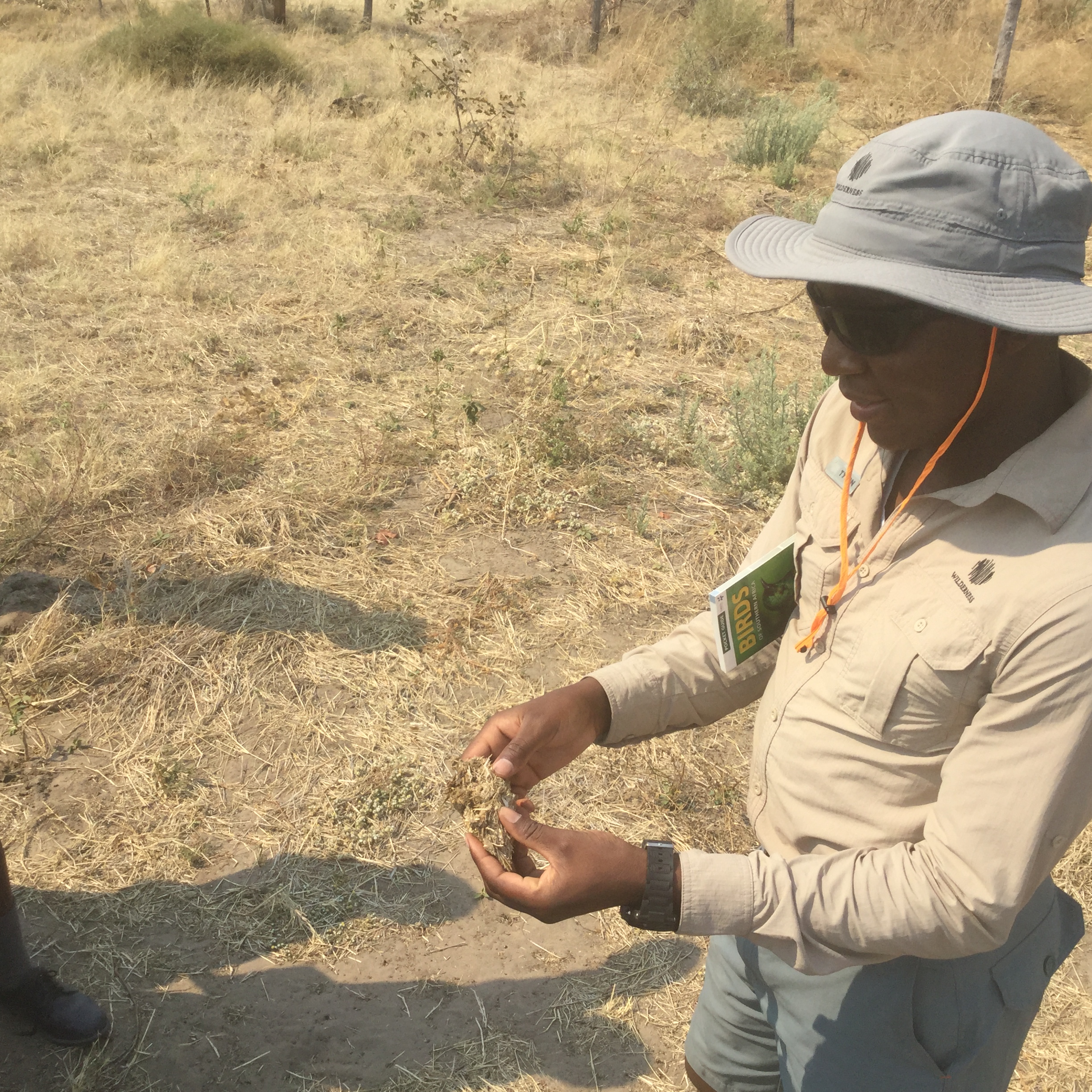
A particularly engaging aspect of the walk was learning about elephant dung and its traditional uses. Tyson explained how local communities utilised elephant dung in the past, and discussed its potential conservation and environmental applications today. This not only captivated the learners, it stimulated their curiosity and critical thinking about how natural resources can be used sustainably.
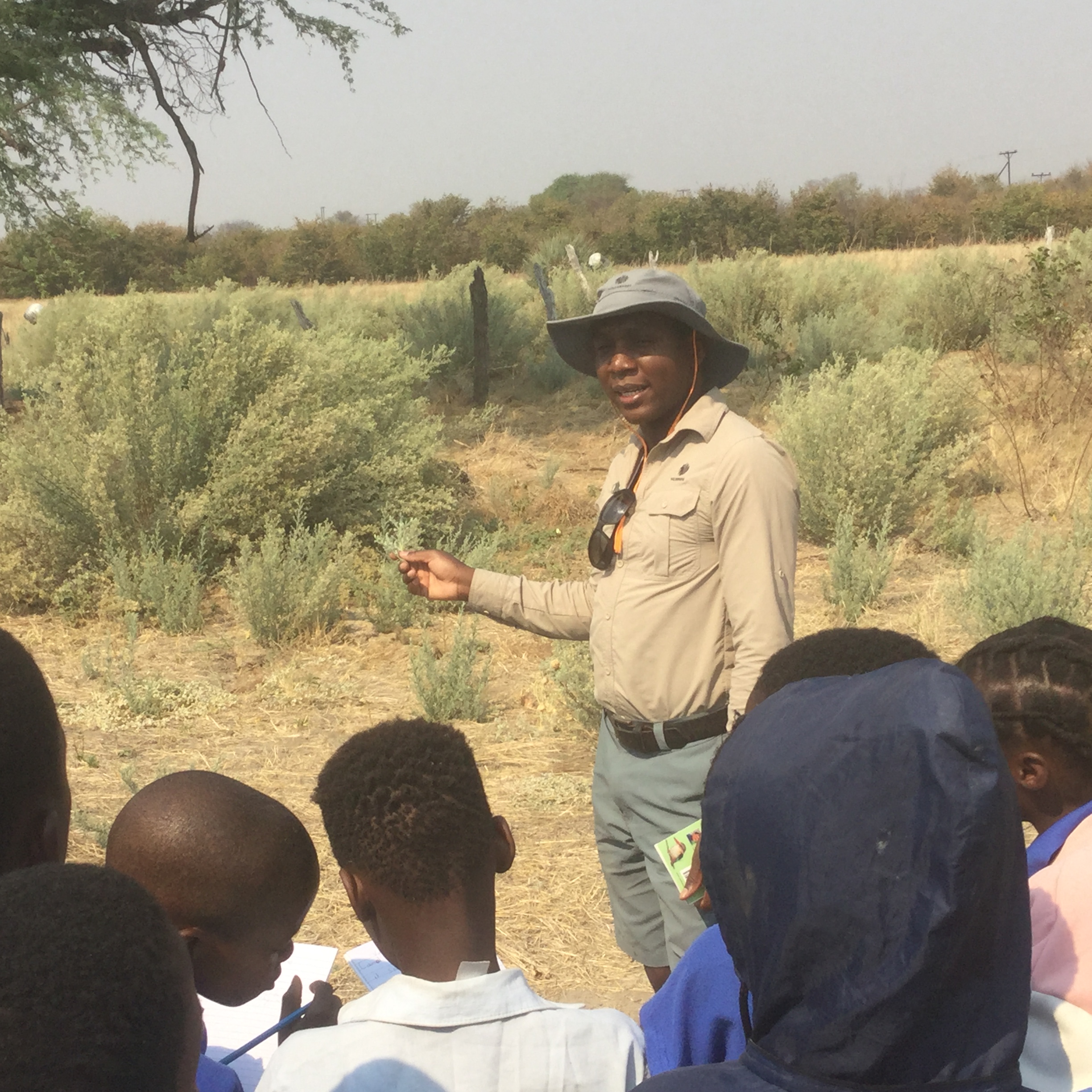
As the walk progressed, the Eco-Club members became increasingly observant and inquisitive. Of their own accord, they began identifying various plants, birds, animal signs, and other features within their environment, asking questions about aspects they had previously overlooked or did not understand.
CITW Botswana would like to extend its sincere appreciation to the Ministry of Child Welfare and Basic Education, the parents and guardians of the Eco-Club members, the Sankoyo Tshwaragano Community Trust, the school management, and Wilderness Botswana for their support and contribution towards the successful implementation of this activity.
Compiled By Kelebogile ‘Kelly’ Baitshoki – CITW Botswana Administrator