Eco-Club Joint Meetings Launch Term 3 Activities for 2025/26 School Year
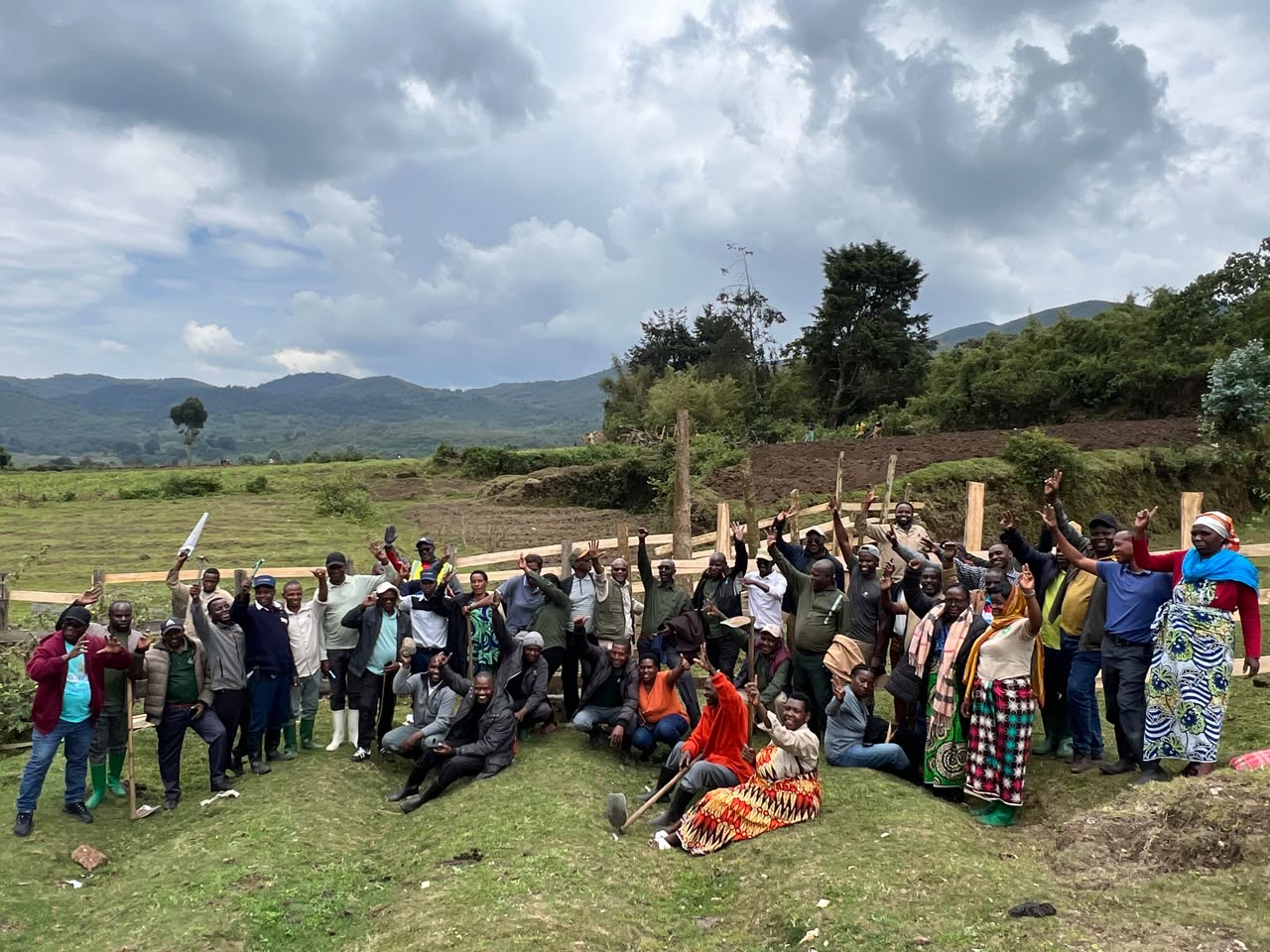
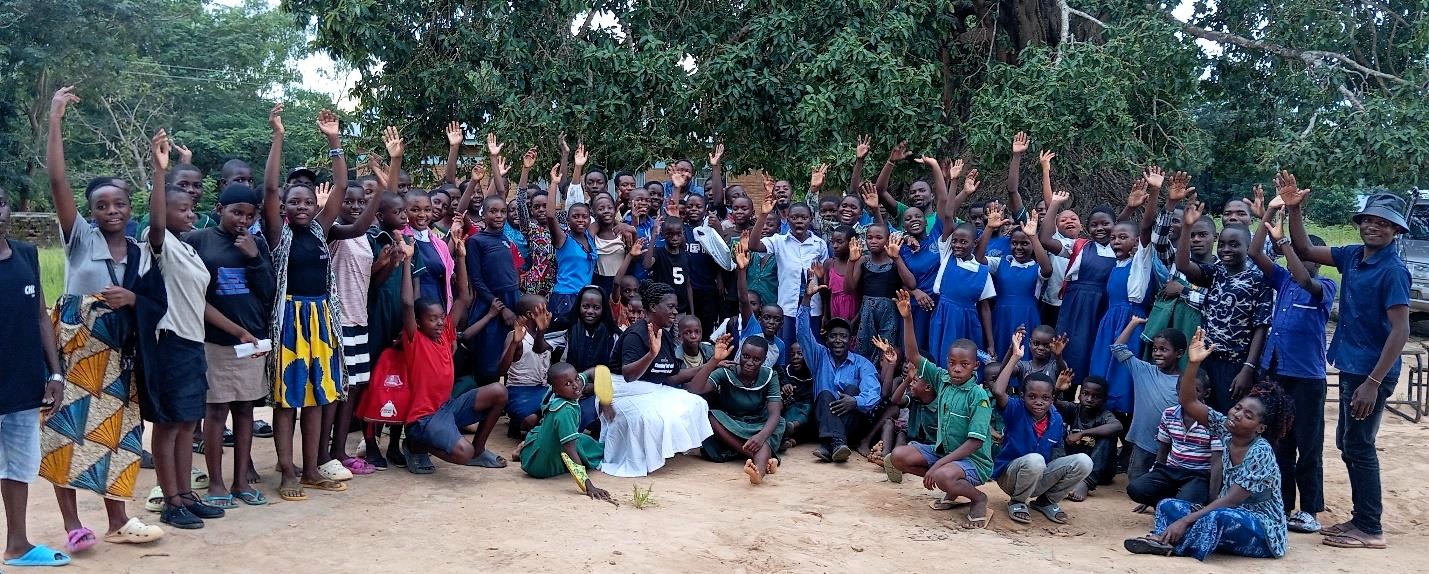
The beginning of Term 3 marked an important new phase for the Children in the Wilderness (CITW) Eco-Club programme across Malawi. Between early and mid-May, Eco-Club joint meetings were held across three zones, bringing together children, youth, teachers, mentors, and community leaders to launch environmental activities for the May through August period.
These gatherings provided young participants with opportunities to strengthen practical environmental skills, develop leadership abilities, and collaborate on conservation initiatives that directly benefit their communities.
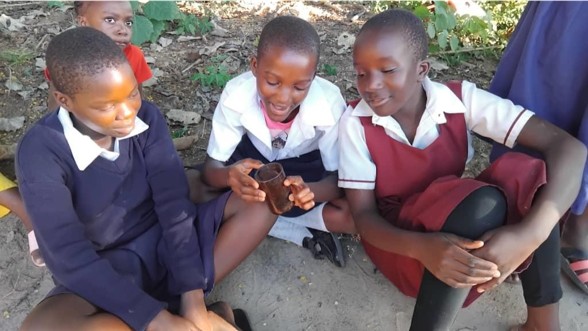
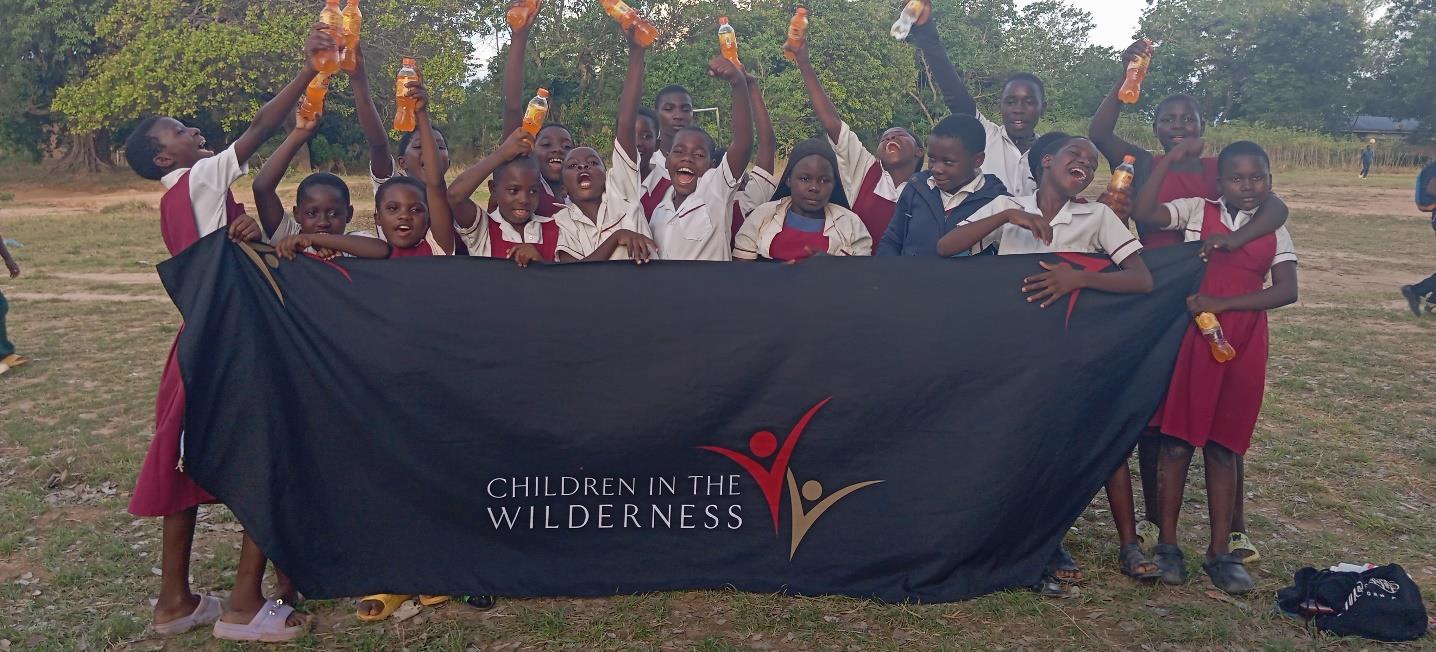
Photo: Eco-Club members celebrating after learning how to recycle glass bottles into drinking tumblers
Strong Participation Across Malawi’s 3 Zones
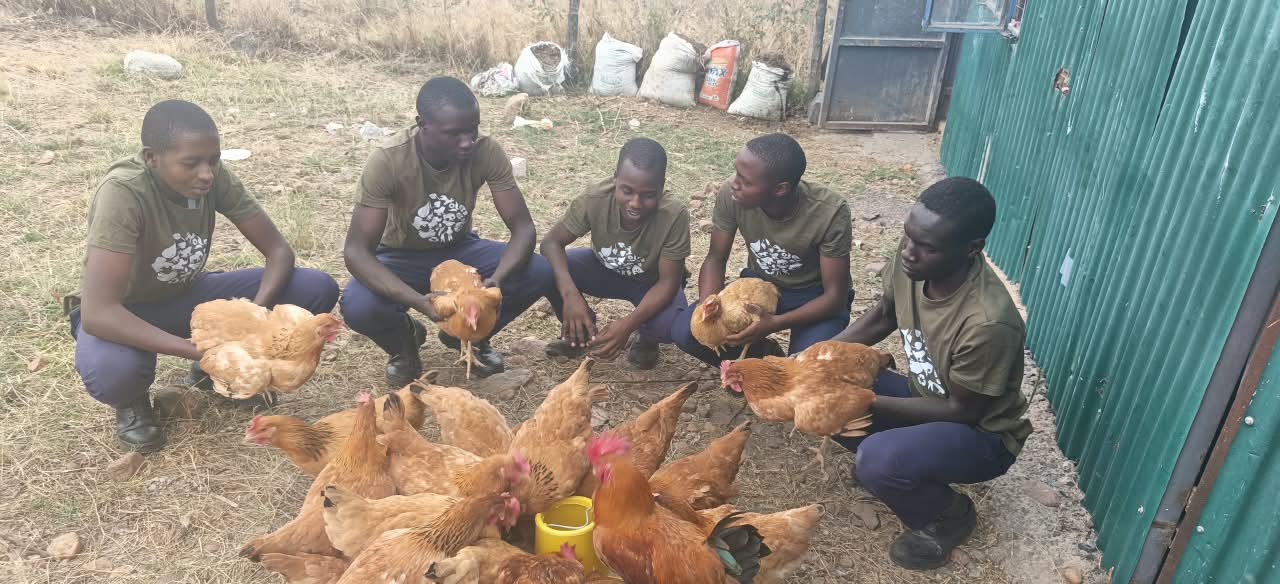
A total of 545 Eco-Club members from 15 primary schools participated in the zonal meetings, alongside 125 youth members. The programme was further supported by 30 trained teachers and 15 local Eco-Mentors who guide and cooordinate Eco-Club activities at school and community level.
Each participating school has two specially trained teachers responsible for planning and facilitating environmental education activities throughout the school year.
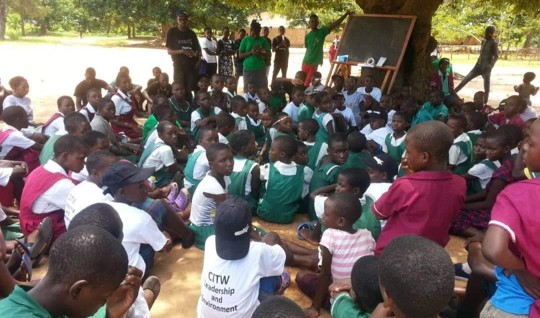
Photo: Eco-Club members from 5 primary schools gathered for a zonal meeting in Chintheche
Practical Environmental Learning in Action
The joint meetings focused on hands-on environmental conservation activities designed to equip children and youth with practical skills while promoting sustainable community practices.
Key activities included:
- Weeding, and creating firebreaks around newly planted woodlots and trees
- Waste paper recycling and briquette production
- Glass bottle recycling into drinking tumblers
- Developing zonal action plans for the current school term
- Sports and team-building activities
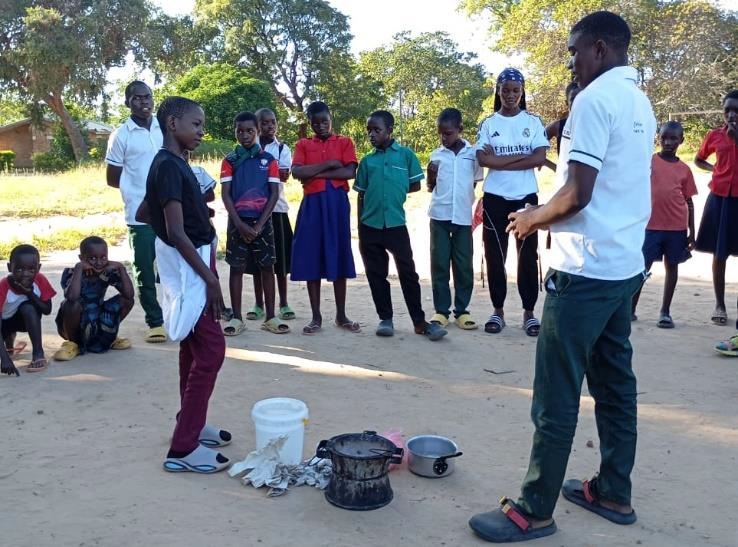

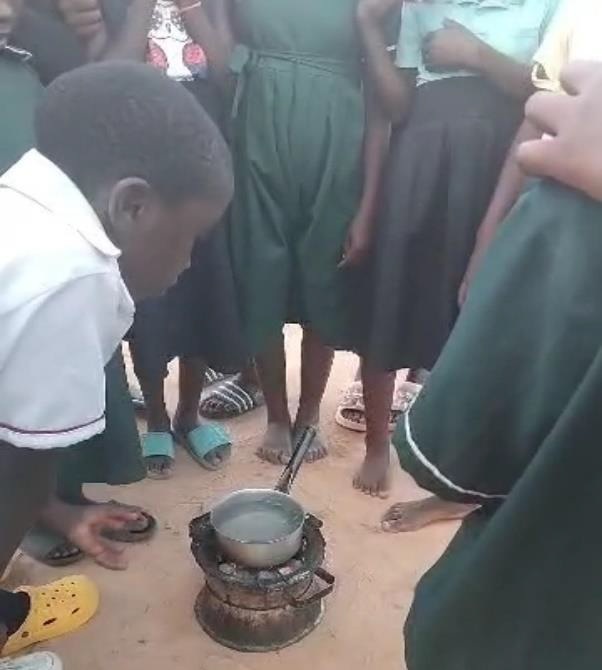
Photo: Waste paper recycling activities – transforming waste paper into briquettes used for cooking fuel
Tackling Waste Through Recycling Initiatives
One of the highlights of the programme was the glass bottle recycling project. Empty glass bottles are a growing environmental and public health concern in many communities. When improperly discarded, they create breeding grounds for mosquitoes, pose injury risks to both people and livestock, and contribute to environmental pollution.
Through the Eco-Club programme, children and youth are learning how waste materials can be repurposed into useful household items. Participants were trained to safely cut and transform discarded glass bottles into reusable drinking tumblers.
The activity not only promotes environmental responsibility but also gives children a sense of achievement and pride, as they create practical items that can be used in their homes.

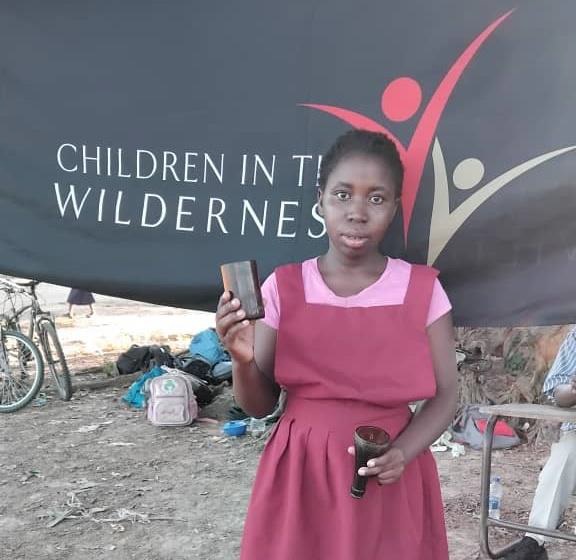
Photo: Eco-Club members participating in glass bottle recycling activities
Ongoing Reforestation and Tree Care Efforts
Tree planting and forest restoration remain central to the CITW programme calendar.
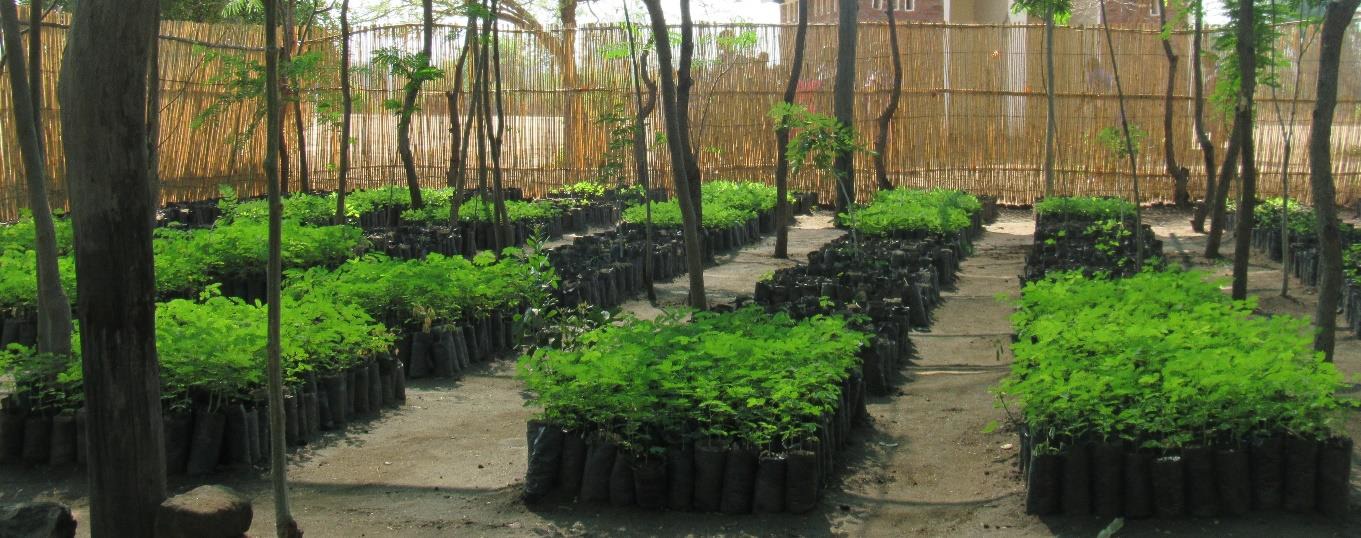
From June to December, Eco-Club members focus on raising tree seedlings of various indigenous and fruit tree species. Between December and March, the emphasis shifts to community tree planting initiatives, with local households and institutions collecting seedlings for planting around homes, schools, and gardens.
From April to October, participants focus on caring for planted trees through activities such as weeding, monitoring tree survival rates, and establishing firebreaks to protect young forests.
During the May joint meetings, zone co-ordinators reported that Eco-Club members and youth planted a total of 875 trees between December 2025 and March 2026.
These activities are supported by CITW youth alumni and local environmental experts, helping maintain our high standards in conservation practices.
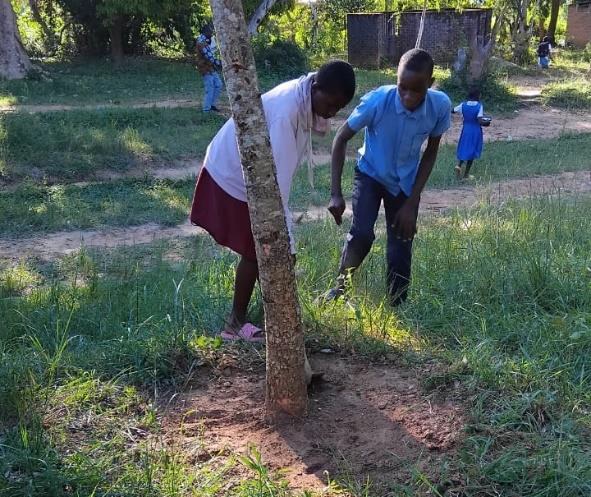

Photo: Eco-Club members and youth clearing firebreaks and maintaining planted areas
Preparing for Annual Community Awareness Campaigns
The zonal meetings also included planning for the upcoming CITW Open Day events – large-scale community awareness festivals held annually across the three programme zones.
Each Open Day is expected to bring together:
- More than 200 children
- Another 200 youth participants
- Parents and guardians
- Community members
- Government officials
- Private sector representatives
- Local media organisations
These events provide children and youth with a platform to communicate environmental messages through:
- Traditional dances
- Drama performances
- Poetry
- Songs
- Posters and storytelling
The aim is to inspire stronger community action toward sustainable natural resource conservation and environmental stewardship.
Beyond environmental education, the Open Days also serve as important leadership development opportunities, allowing children and youth to take ownership of public awareness activities and engage confidently with community stakeholders.
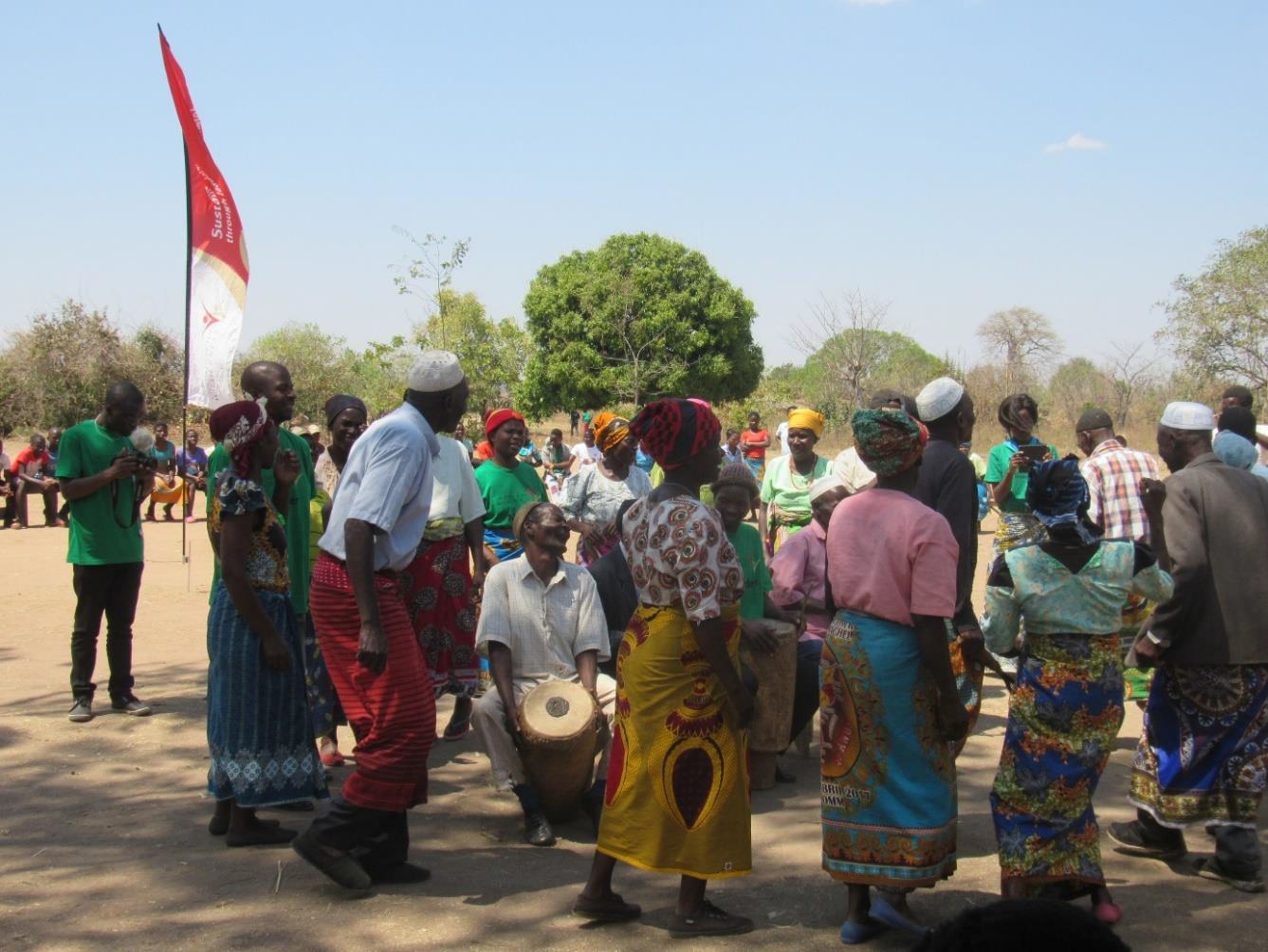
Photo: Traditional performances by village chiefs and their wives at an Open Day
Building Leadership Through Structured Activities
As part of the planning process, Eco-Club members and teachers also developed schedules for weekly after-school Eco-Club meetings that will continue throughout the term.
These structured activities help maintain consistent engagement while encouraging teamwork, accountability, and long-term environmental responsibility among participants.
Recognition and Achievements
The CITW programme continues to receive recognition for its impact on environmental conservation and youth development.
Environmental Recognition
Nangondo Eco-Club was recently recognised as a leading environmental club on the eastern side of Liwonde National Park.
In addition, TotalEnergies Malawi continues to support Eco-Club reforestation initiatives, highlighting growing private sector recognition of the programme’s environmental impact.

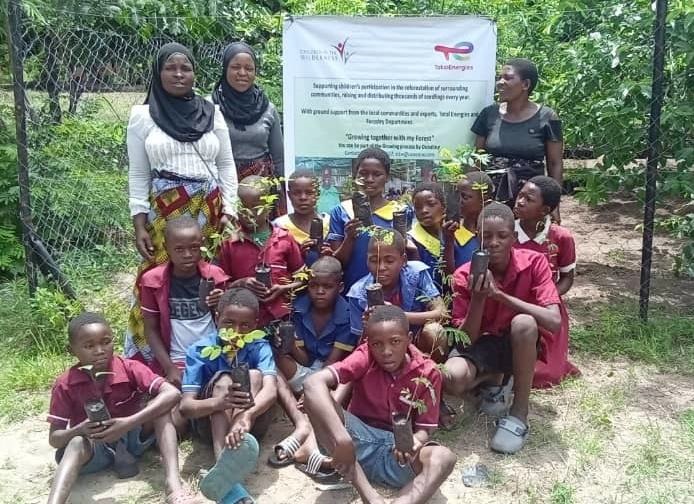
Photo: Nangondo Eco-Club with their environmental recognition
Success Stories: From Eco-Club Members to National Leaders
The long-term impact of the CITW programme is reflected in the achievements of former Eco-Club members who continue to make meaningful contributions in their professions and communities.
Deborah Mataka

Deborah joined CITW in 2009 as an Eco-Club member before progressing into the Youth Environmental Stewardship (YES) programme during secondary school. She later studied nursing at the University of Malawi while remaining actively involved in CITW youth leadership initiatives.
After working with the Ministry of Health and serving as Secretary of the CITW National Youth Forum, Deborah was recently appointed Assistant Lecturer in Mental Health Nursing at Kamuzu University of Health Sciences.
She credits CITW’s mentorship, leadership development, and financial support as important contributors to her personal and professional growth. Her journey continues to inspire many young girls across Malawi.
Andrew Viano

Andrew joined CITW in 2007 as an Eco-Club member and later became part of the YES programme during his secondary school years. After studying journalism at the University of Malawi, he pursued a successful media career with leading Malawian media organisations, including Zodiak Broadcasting Station and Nation Publications.
Andrew recently received the inaugural National Oil Company of Malawi Best Petroleum Reporter of the Year Award.
He remains proud of his connection to CITW and acknowledges the programme’s mentorship and support as foundational to his development as a journalist and youth leader. Through his work, he continues to promote accountability and public engagement on issues affecting Malawi’s future.
Conclusion
The May 2026 Eco-Club joint meetings demonstrated the growing strength and impact of the Children in the Wilderness Malawi programme. Through environmental education, practical conservation work, leadership development, and community engagement, children and youth are becoming active agents of positive change within their communities.
As the programme moves into the next phase of activities, CITW remains committed to nurturing environmentally responsible young leaders who are equipped to build a more sustainable future for Malawi.
Facilitating Sustainable Conservation Through Leadership Development
Compiled by Symon Chibaka – CITW Malawi National Programme Co-ordinator
10 May 2026