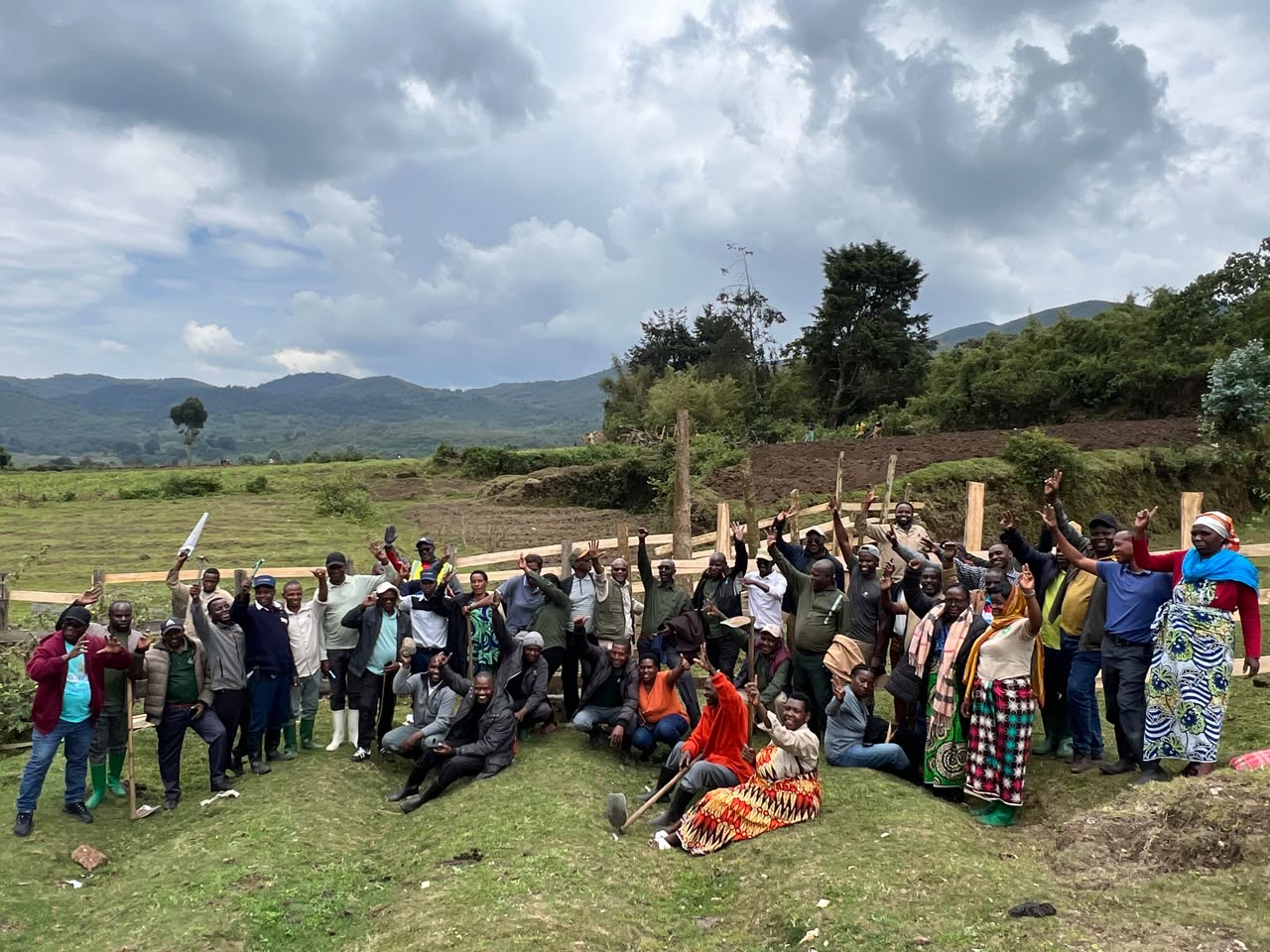
Sharon Muthoni, CITW Community Co-ordinator for Kenya reports on her key highlights for May 2026, which included the launch of the Kisaruni Boys poultry project, the celebration of World Migratory Bird Day, World Endangered Species Day, World Bee Day, and World Menstrual Hygiene Day, as well as the usual ongoing Eco-Club lessons.
Kisaruni Poultry Project
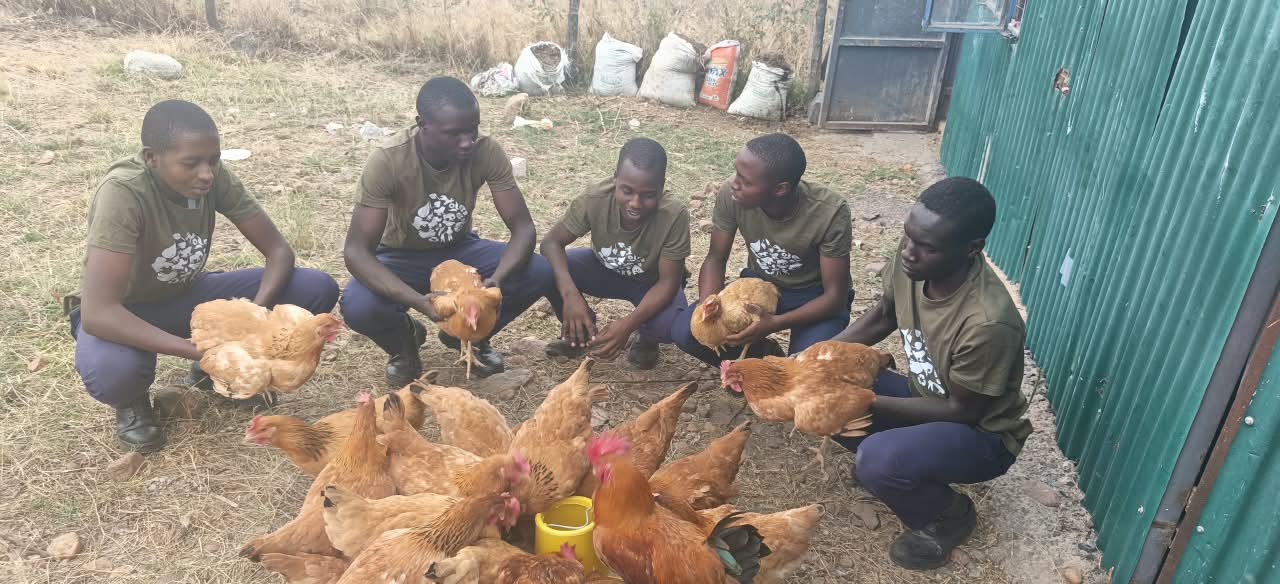
In May, Children in the Wilderness Kenya launched a poultry project at Kisaruni Boys to provide learners with practical skills in animal husbandry, while creating a foundation for a future self-sustaining school project.
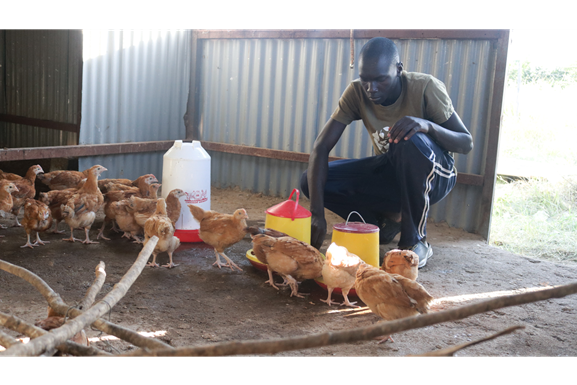
The project is designed to help learners develop practical skills in animal husbandry, teamwork, responsibility, and enterprise management. Over time, it is expected to become a self-sustaining initiative that can support Eco-Club activities and the school.
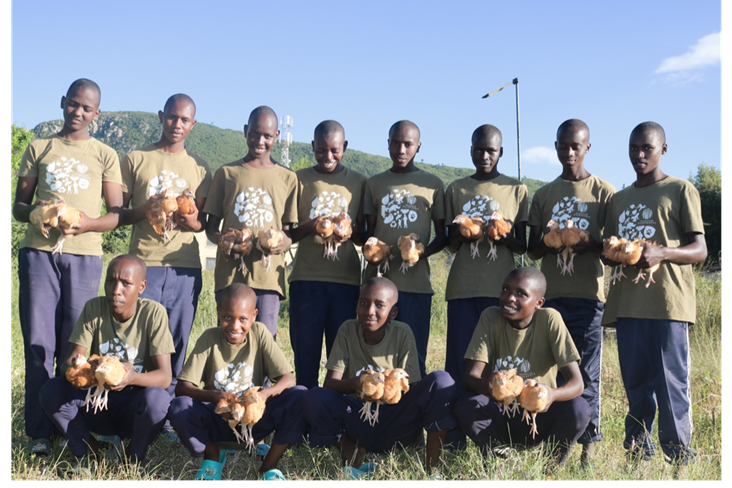
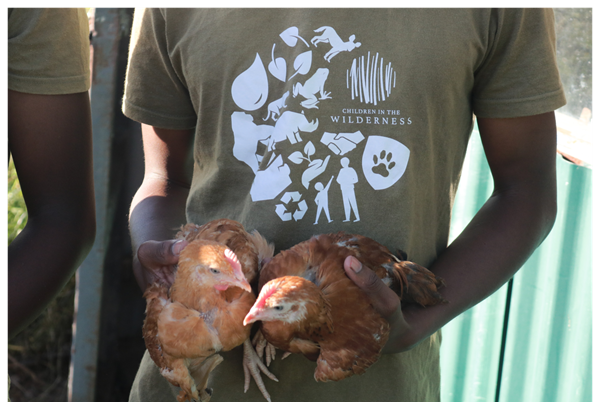
The project also presents opportunities for collaboration with the Governors’ Camp Collection and Wilderness camps through procurement of eggs and poultry products, creating a potential market that could help strengthen the project’s sustainability and increase its long-term impact on both learners and the school community.
World Migratory Bird Day
To mark World Migratory Bird Day on 9 May 2026, CITW Kenya organised educational birding game drives across the Masai Mara, Naivasha, and the Mugie Conservancy, bringing together 60 Eco-Club members from five partner schools.

Across all clubs, 152 bird species were identified using binoculars and help of guides. Discussions focused on bird migration, species identification, and the important role birds play within ecosystems. Learners also submitted bird sightings to eBird, contributing to global citizen science efforts.
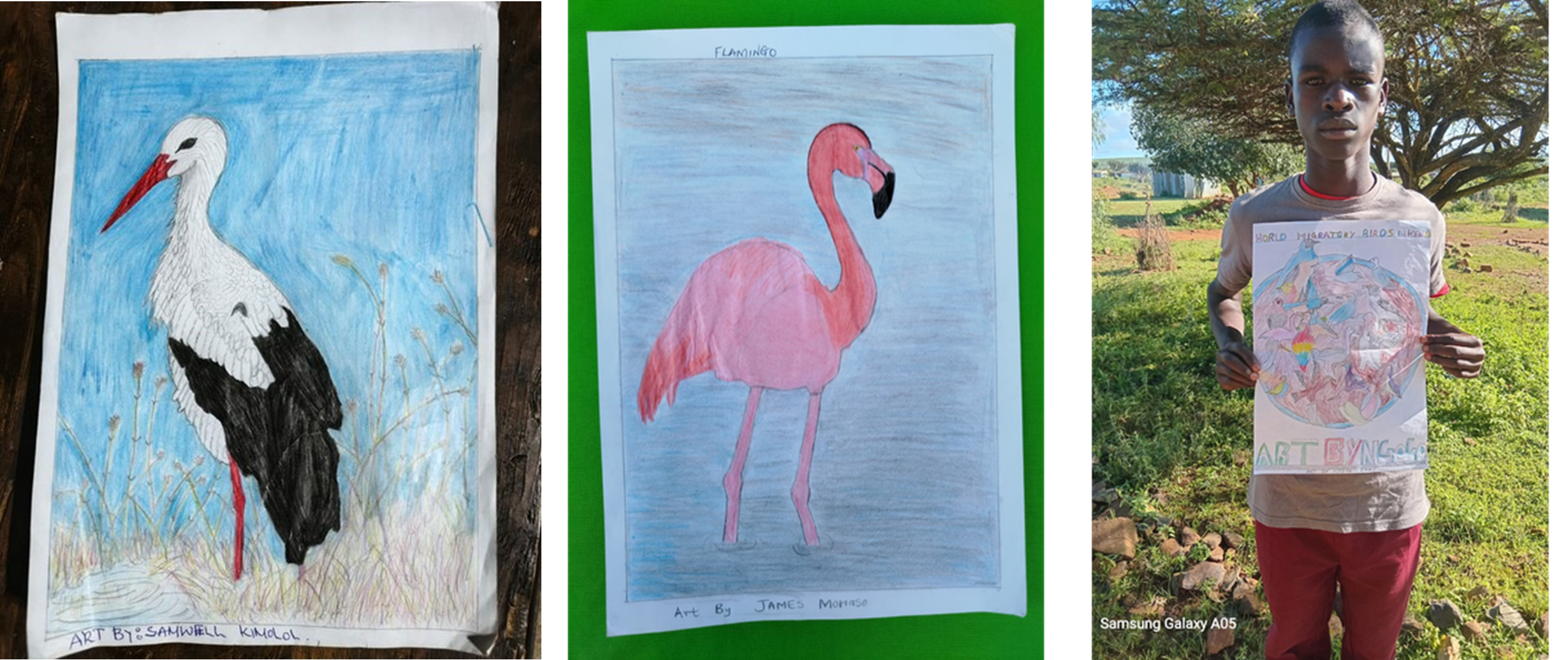
To further celebrate the day, all nine partner schools participated in a bird-themed art competition, encouraging learners to creatively express their knowledge of migratory birds and conservation.
Read the blog here.
World Endangered Species Day
To commemorate World Endangered Species Day on 16 May 2026, CITW Kenya organised educational game drives for Eco-Club members from partner schools in the Masai Mara.

During the excursions, learners identified a range of threatened species, including the Maasai giraffe, African savannah elephant, grey crowned crane, white-backed vulture, and bateleur.
Discussions focused on the conservation status of these species, the threats they face, and the importance of protecting wildlife habitats. Learners also explored the role of research, protected areas, and community participation in safeguarding endangered species for future generations.
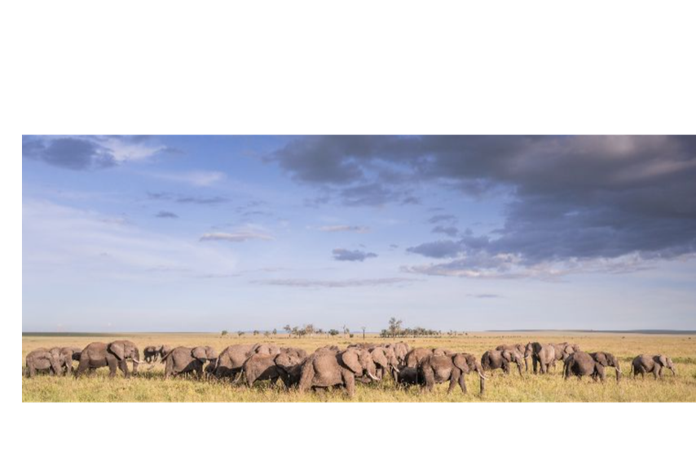
‘To know that African savannah elephants are listed as endangered species, despite the large numbers we normally see in the game reserve, was an eye opener.’ George Rop, Eco-Mentor Irbaan Primary
Read the blog here.
World Bee Day
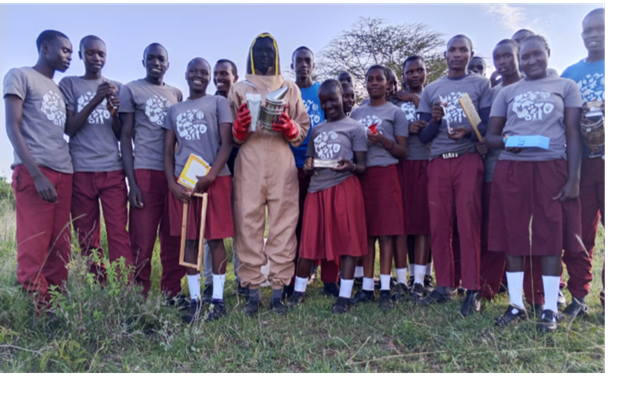
Eco-Club members across partner schools commemorated World Bee Day on 20th May 2026 through practical lessons, apiary visits, demonstrations, and conservation activities.
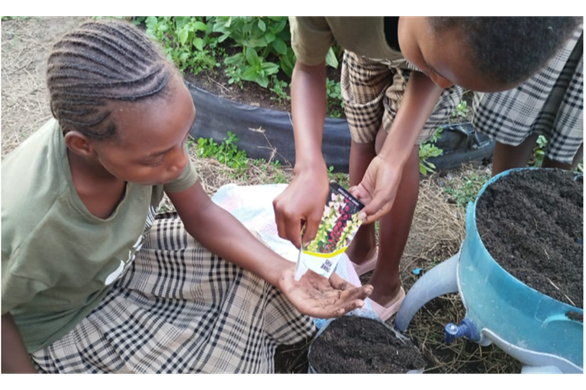
Learners explored the different types of bees, their roles within a colony, the importance of pollinators, sustainable honey harvesting methods, and challenges facing bee populations. Activities included visits to community apiaries, beekeeping demonstrations, bee conservation discussions, and the establishment of bee-friendly initiatives such as planting flowering plants and creating bee baths.
Read the blog here.
World Menstrual Hygiene Day
To mark World Menstrual Hygiene Day on 28 May 2026, Children in the Wilderness Kenya partnered with PadMad Kenya and the Mugie Conservancy to distribute 100 reusable sanitary towels and facilitate an educational session focused on menstrual health awareness, confidence, and dignity.
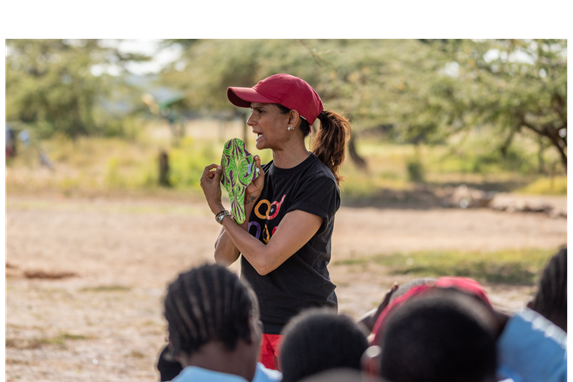
Students from Suguta Mugie Primary School and Louniek Secondary School participate in the session led by Madhvi, CEO and Founder of PadMad Kenya.
Learners were guided through understanding menstruation, the menstrual cycle, menstrual hygiene management, emotional wellbeing during menstruation, and sustainable menstrual health practices. Practical demonstrations were conducted on the use, cleaning, and maintenance of reusable sanitary towels.
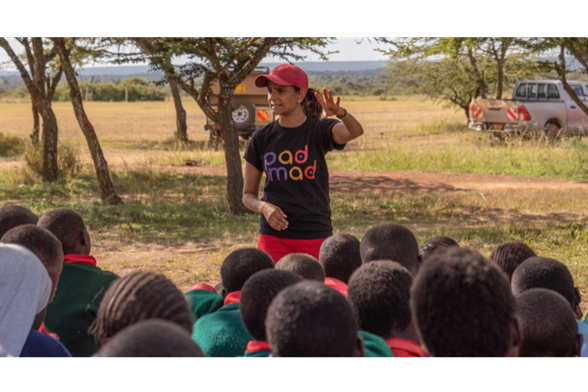
‘You all need Vitamin N,’ Madhvi shared, encouraging the girls to practice saying ‘No’ to situations, influences, or requests that may negatively affect their wellbeing or future.
Read the blog here.
Ongoing Eco-Club Lessons
Eco-Club lessons continued throughout May. At TAFA Community Centre, learners focused on poaching, examining its impact on wildlife populations, ecosystems, and conservation efforts.
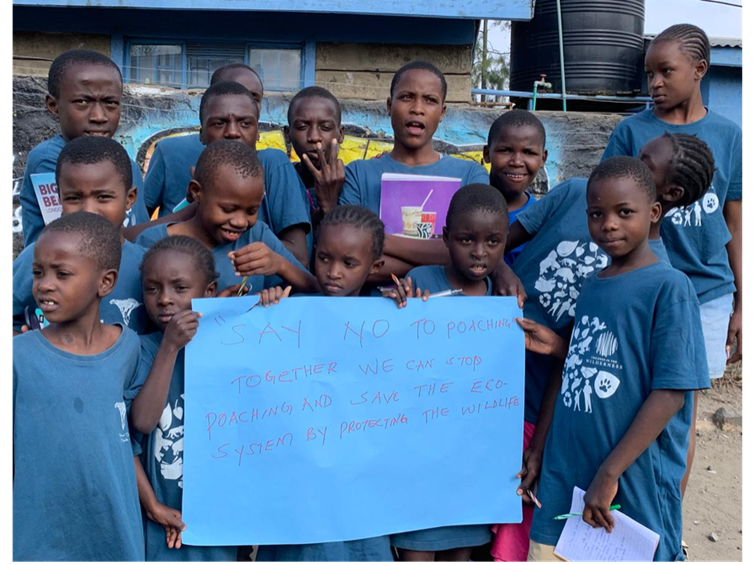
Louniek Secondary School, Suguta Mugie Primary School, and Margaret Kenyatta Primary School explored a number of topics, including trees and forests, and not littering.
Looking Ahead
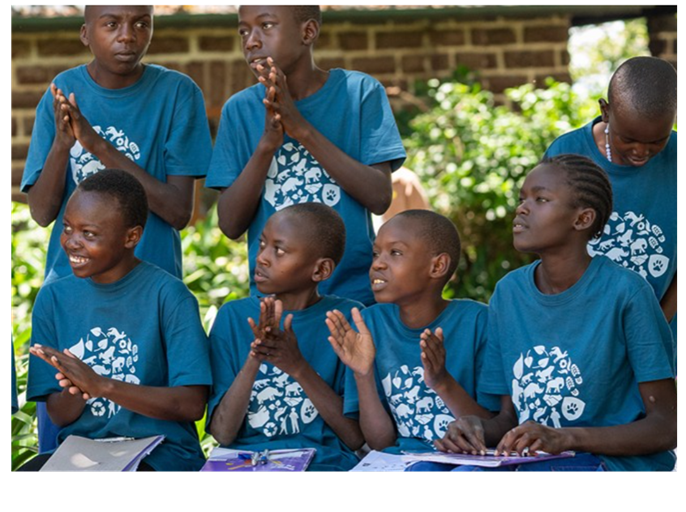
As we move into June, Eco Club members continue learning through conservation lessons, practical activities, and school-based projects.
‘In the end, we will conserve only what we love; we will love only what we understand; and we will understand only what we are taught.’ – Baba Dioum