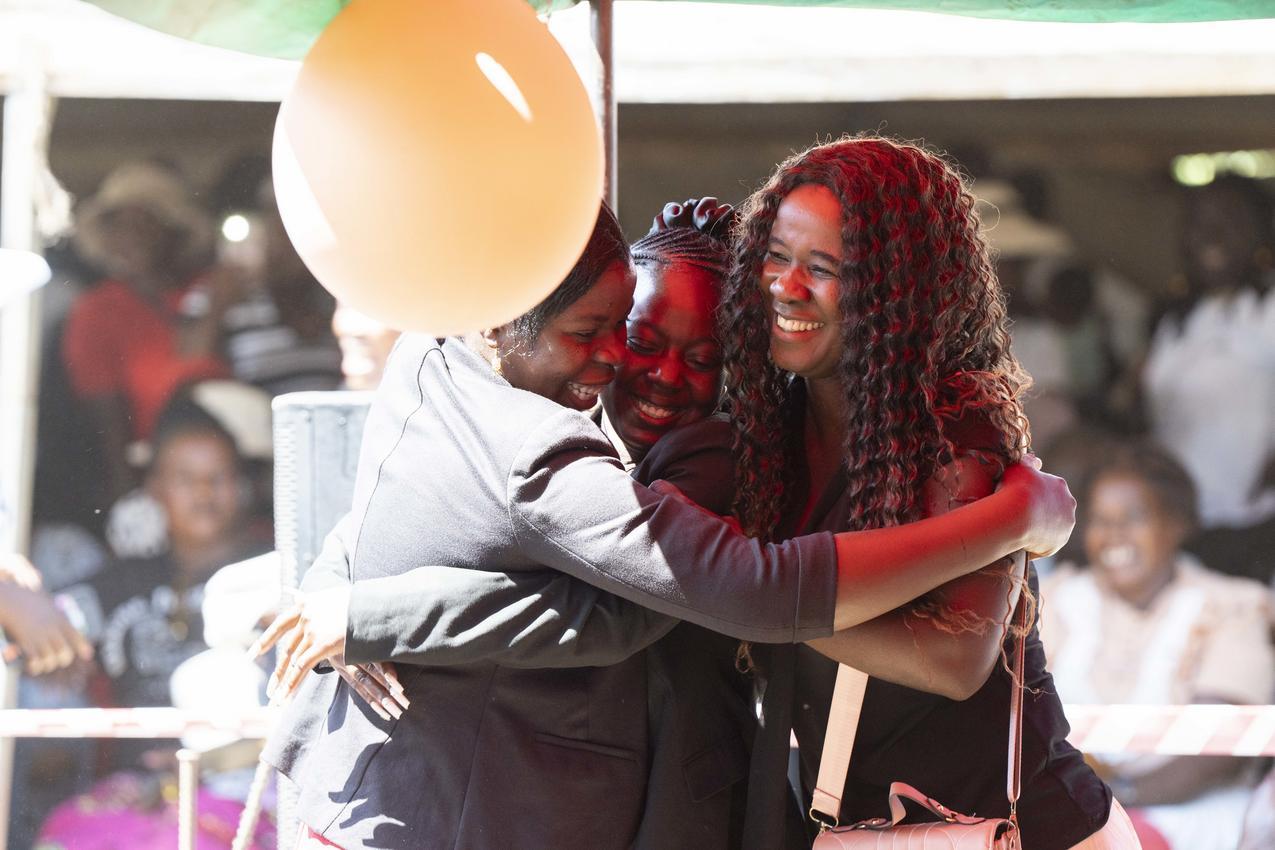
Sixty American teachers from North Carolina recently enjoyed a cultural exchange and learning opportunity at four Children in the Wilderness (CITW) partner schools in Livingstone, Zambia. Hosted by Assistant Impact Manager, Cynthia Ndiweni, the teachers arrived in two groups, with the first group made up of 28 teachers and the second group consisting of 32 teachers. During their visit, the teachers spent time at Lupani and Ebenezer primary schools, and Nalituwe and Holy Cross primary and secondary schools. Their visit created a wonderful opportunity for educators from two different parts of the world to learn from one another, exchange teaching ideas, experience different cultures, and build lasting friendships through their shared passion for education.
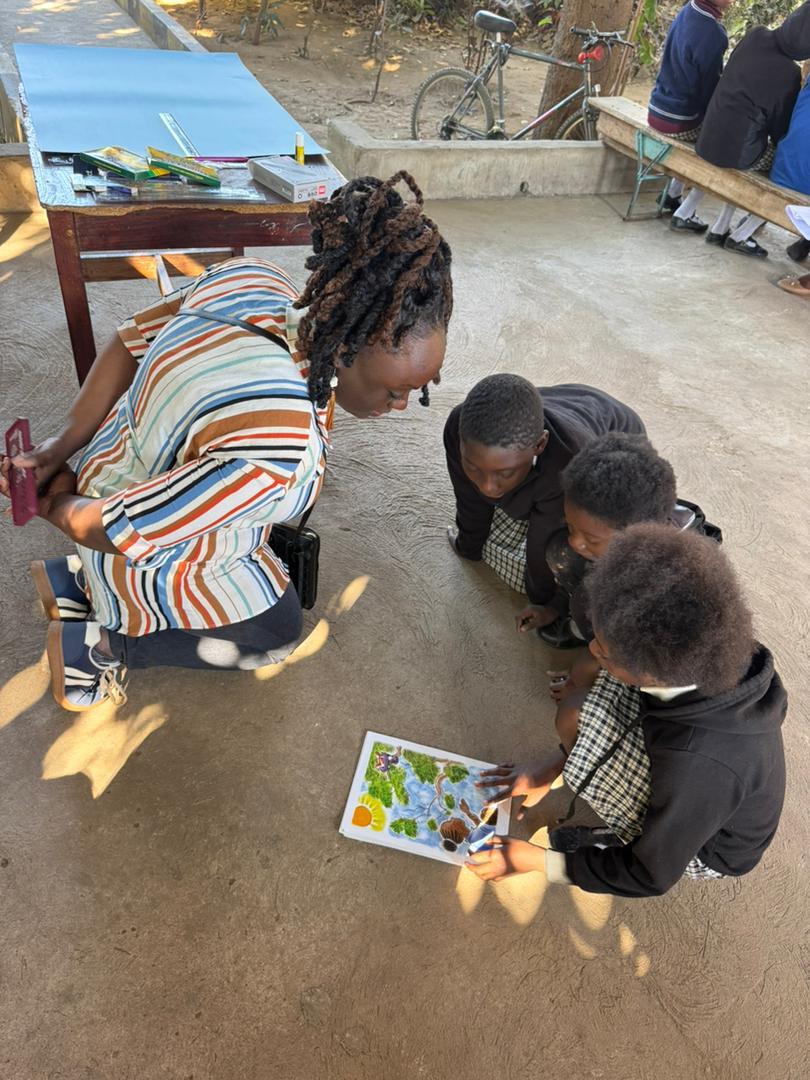
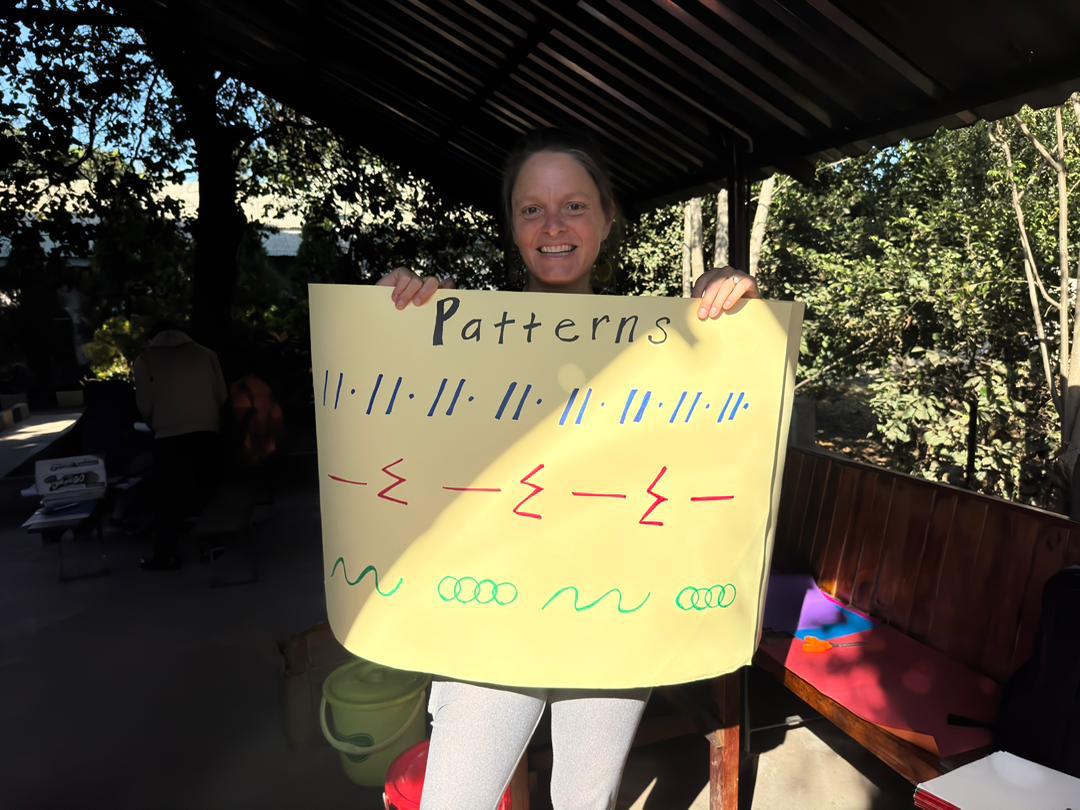
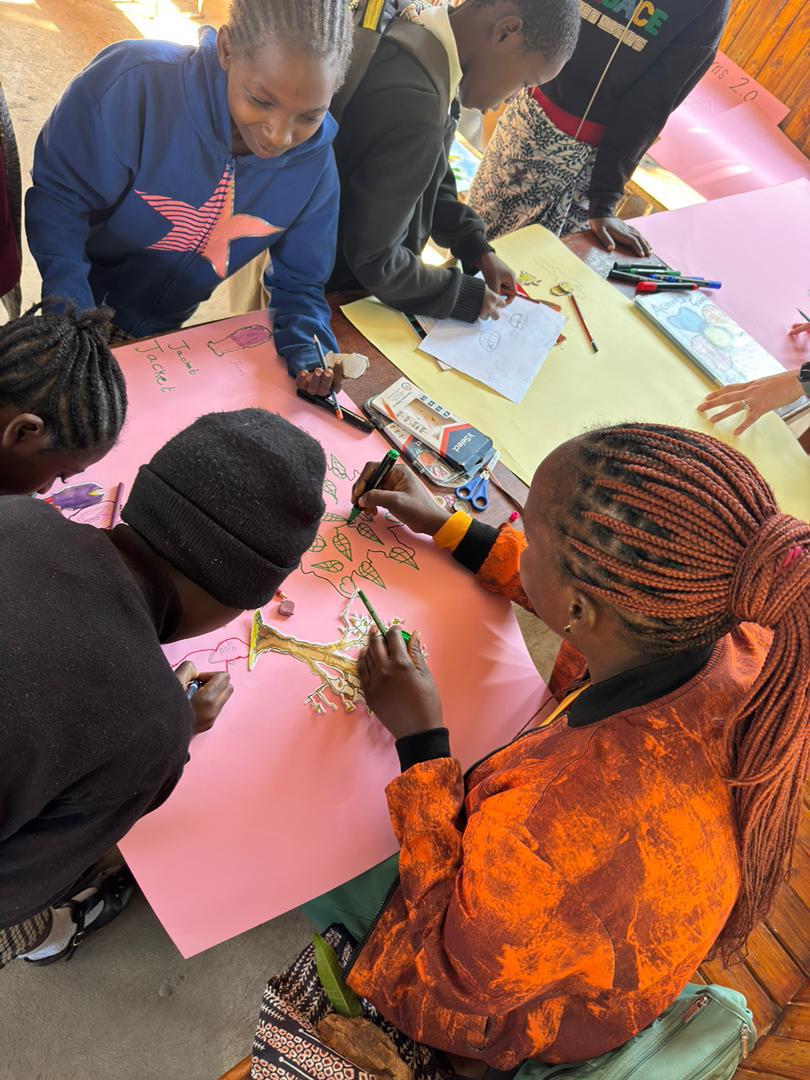
From the moment they arrived, the visitors fully immersed themselves in school life. They met local teachers, interacted with learners, and experienced first-hand how CITW supports schools through literacy programmes, environmental education, and active learning initiatives. Rather than simply observing lessons, the teachers became part of the classroom. They worked alongside local educators, sharing teaching methods, ideas, and experiences while learning from one another. During their visit they taught Mathematics, Science, Geography, English, and several other subjects. A few adventurous teachers even tried learning Chitonga, one of the local languages spoken in Livingstone, much to the delight of the learners and teachers.
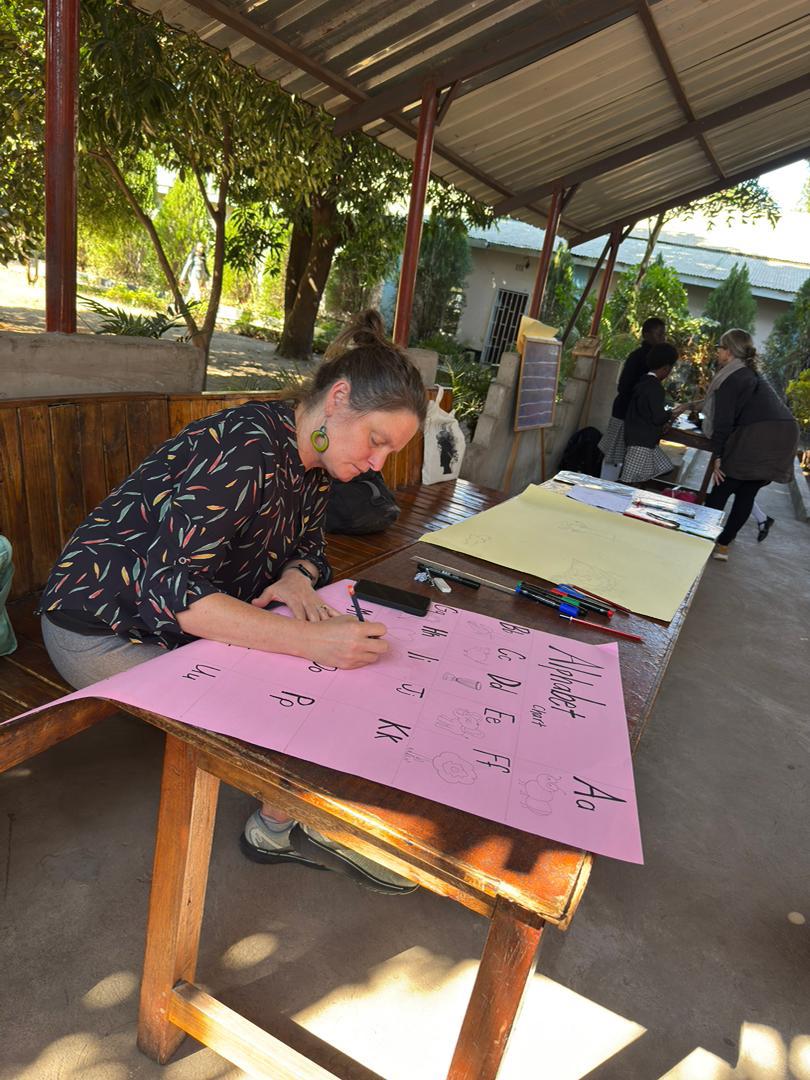
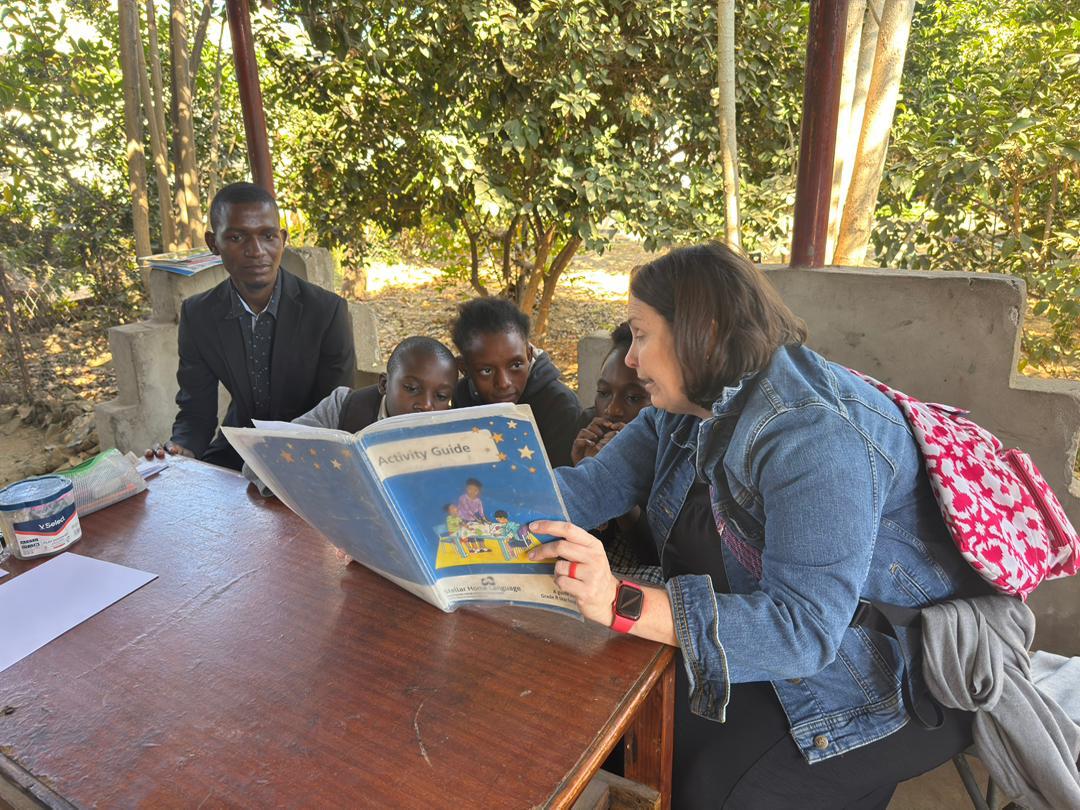
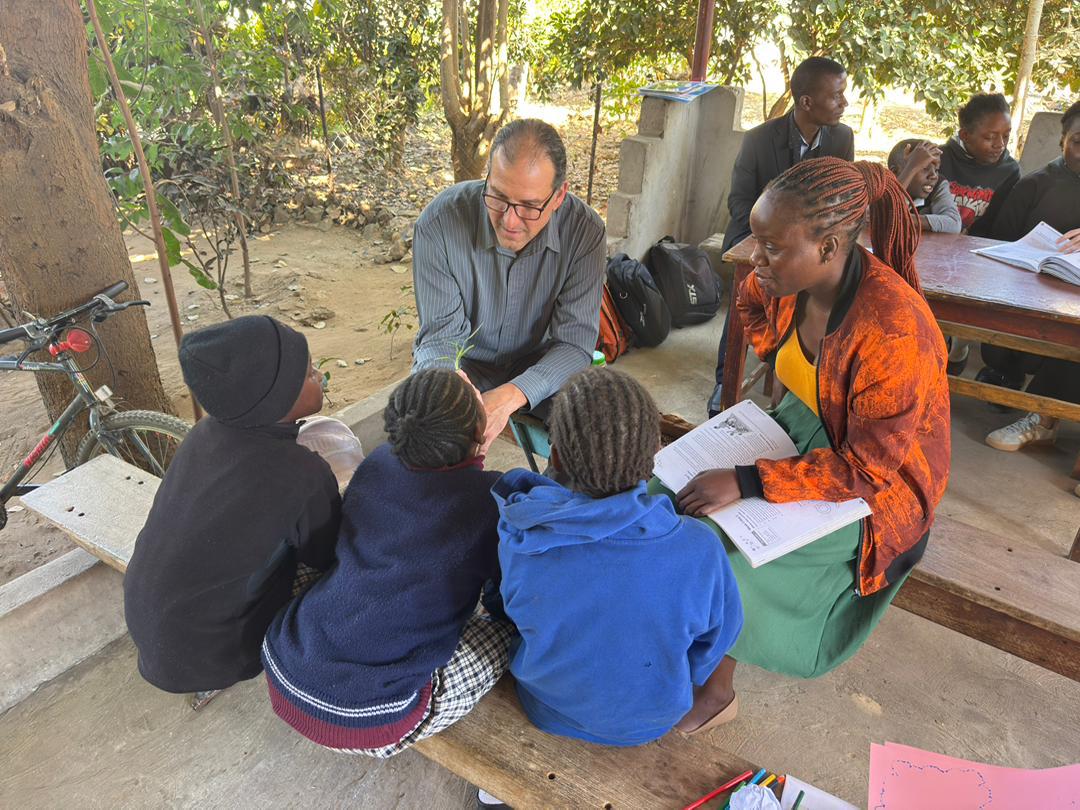
Many of the visitors spent time moving between different classes, while others worked one-on-one with learners, encouraging them and helping to build their confidence in reading, writing, and communication. The excitement on the children’s faces as they learnt alongside teachers from another country was truly unforgettable. The visitors also attended the literacy centres, where they mentored learners in small groups. Together they practised reading, improved English comprehension, and created colourful classroom charts and learning materials that will continue benefitting learners long after the visit.

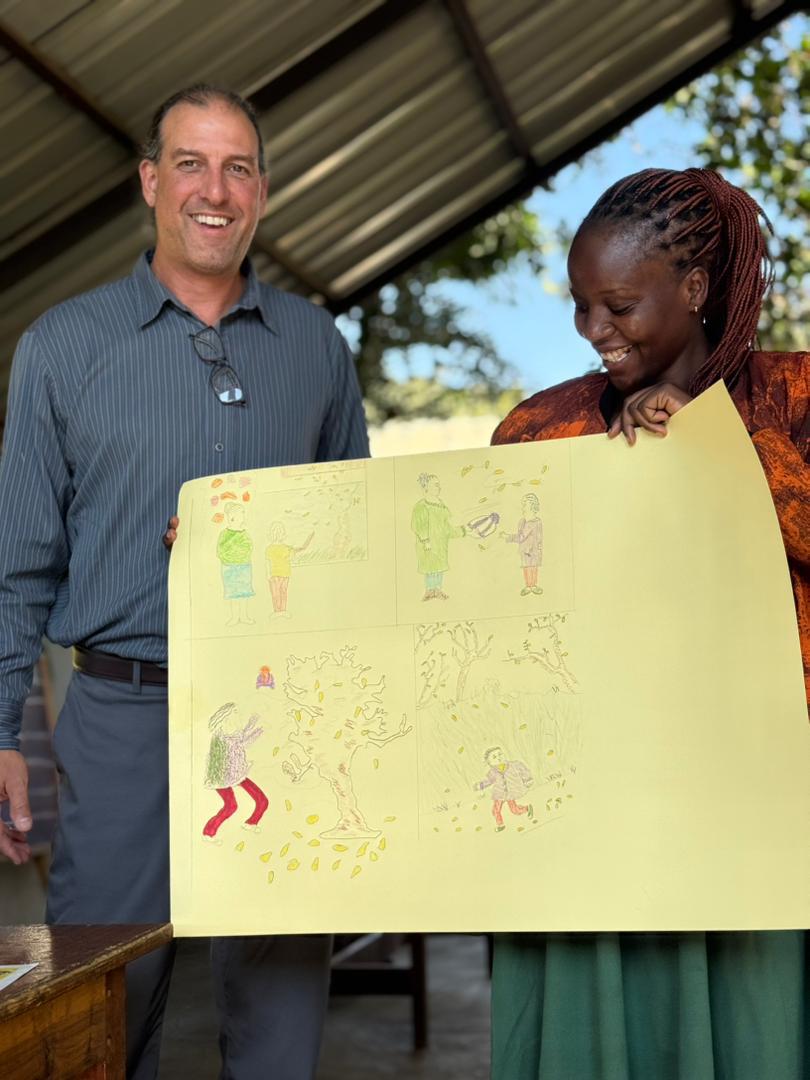

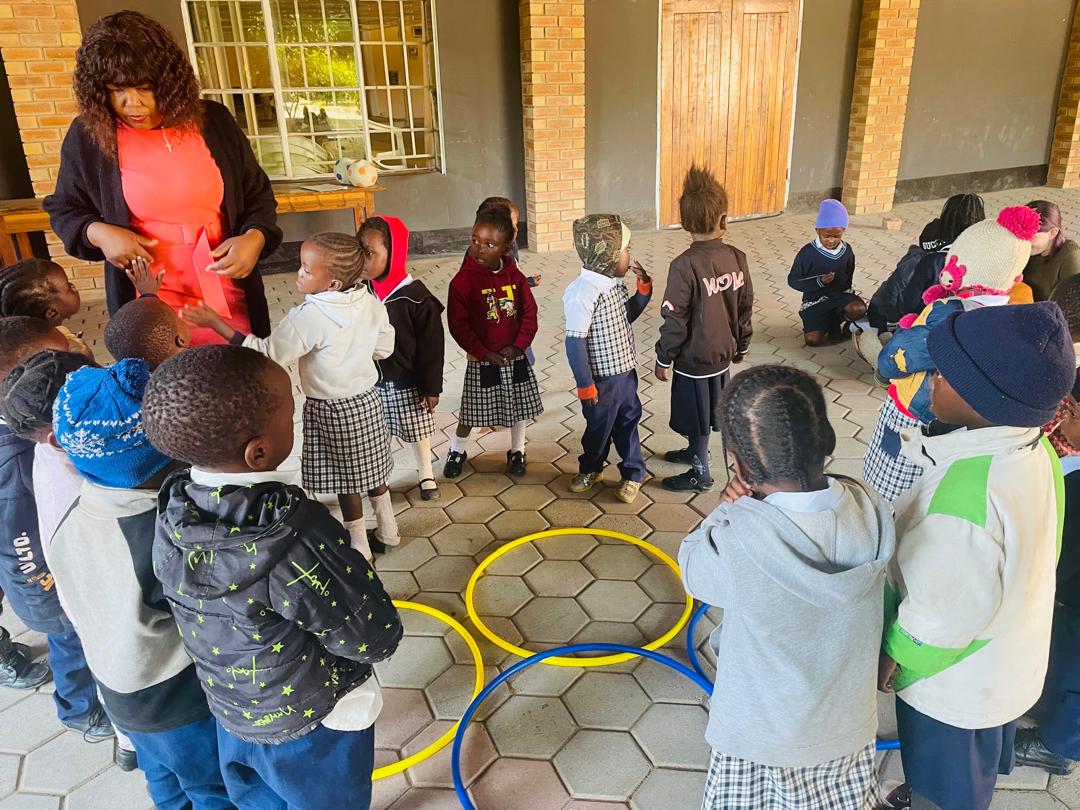
One of the highlights of the exchange was seeing the teachers embrace the importance of learning through play. Both inside and outside the classroom, they joined learners in educational games, traditional songs, and dances. Laughter echoed across the school grounds as children and teachers played, learnt, and celebrated together, creating memories that easily crossed language and cultural barriers.
Several teachers also spent time with the Early Childhood Education (ECE) classes. Sitting on mats alongside the young learners, they helped with colouring, drawing, and crayoning activities. Their patience, enthusiasm, and willingness to meet the children at their level created joyful and engaging learning experiences for the pupils. At each school, the visitors also participated in Eco-Club activities, where they learnt about the environmental education programmes that CITW supports. Together with the learners, they discussed the importance of protecting wildlife, caring for the environment, and becoming responsible custodians of natural resources. The learners confidently shared what they had been learning through the clubs, leading to meaningful discussions and inspiring exchanges of ideas.


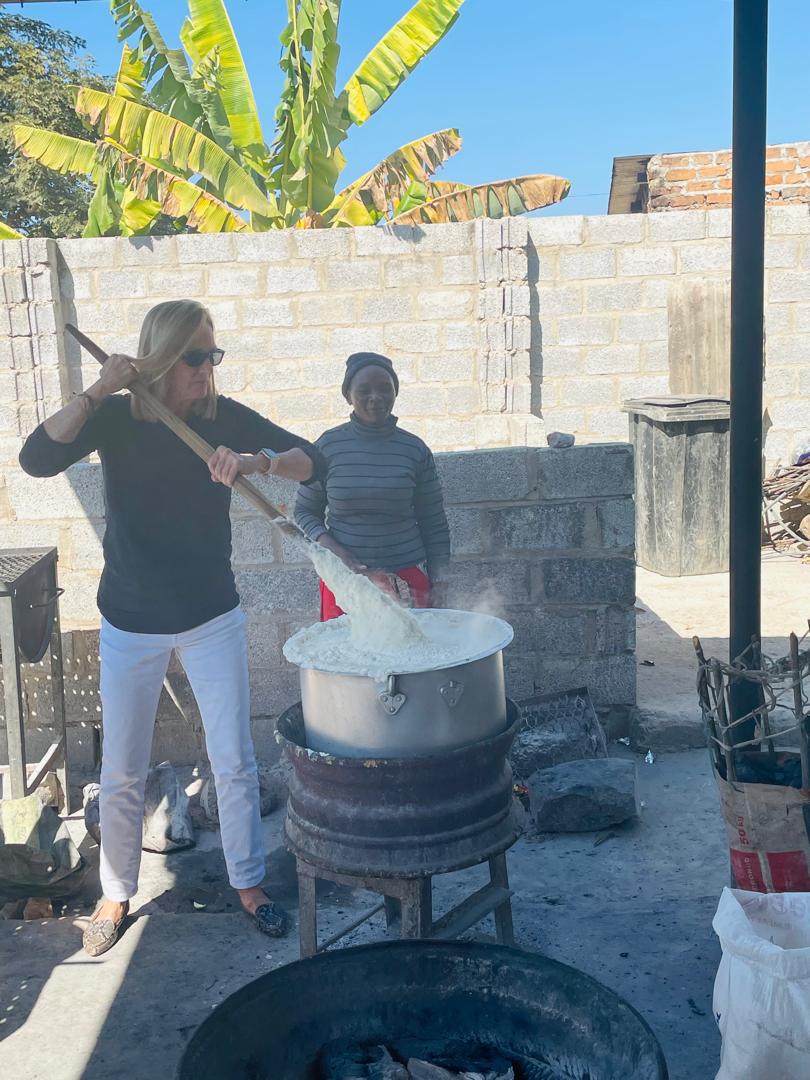
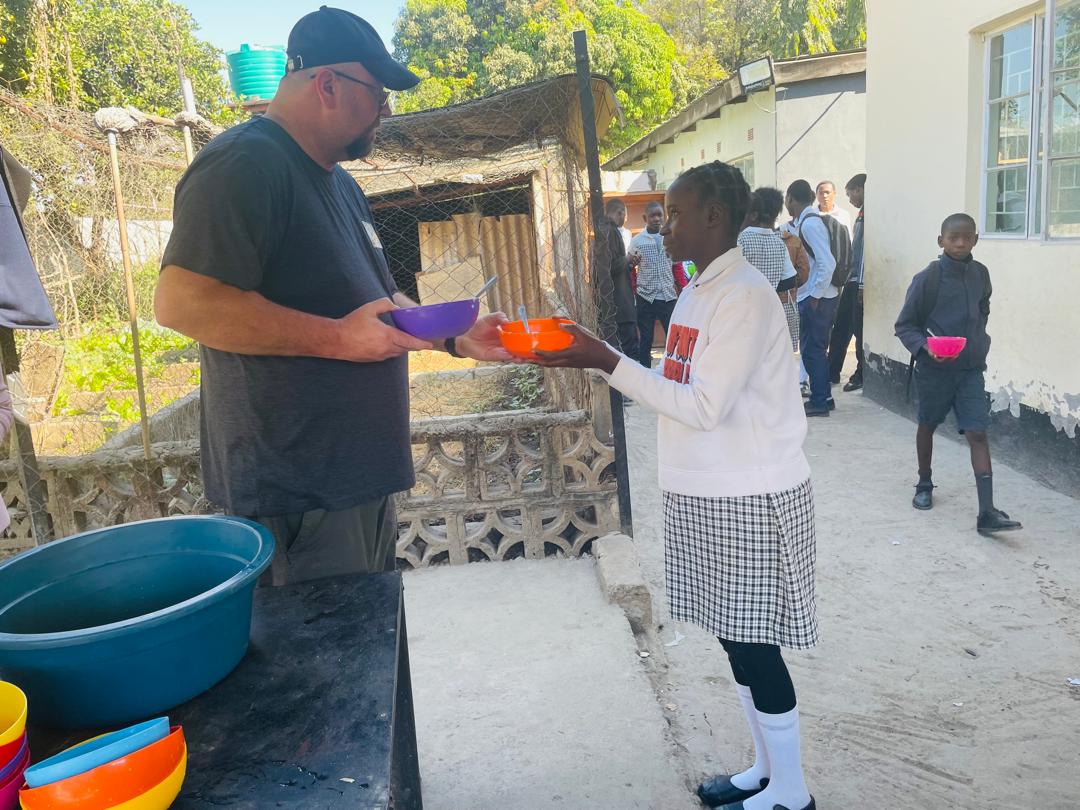
At Ebenezer Primary School, the teachers experienced another important part of school life – the school kitchen. Those interested in cooking rolled up their sleeves and joined the school cooks in preparing lunch for the learners. Together they made traditional meals including Nshima (thick maize meal similar to polenta), beans, boiled eggs, cabbage, and porridge for the children’s break. Their involvement did not end once the meals had been served. The teachers happily helped wash the dishes and clean the beautiful outdoor kitchen, demonstrating that teamwork, humility, and service are values shared across cultures. For many visitors, preparing food alongside the school staff became one of the most memorable moments of the trip.
On the second day, both groups had the privilege of visiting Sinde Village, where they received a warm welcome from the Village Head, Mr Siatela. The visit offered a unique opportunity to learn about the traditions, customs, and daily life of the local Tonga community. During an open and engaging discussion, the Village Head generously shared the history of the village and the values that continue to shape community life. The teachers were eager to learn and asked many thoughtful questions about daily life in the village. They wanted to understand the roles of women and men, the types of food prepared in local homes, traditional marriage customs, family life, and many other aspects of Zambian culture. The discussions created an atmosphere of mutual respect and curiosity, allowing everyone to appreciate both the similarities and the differences between their cultures.
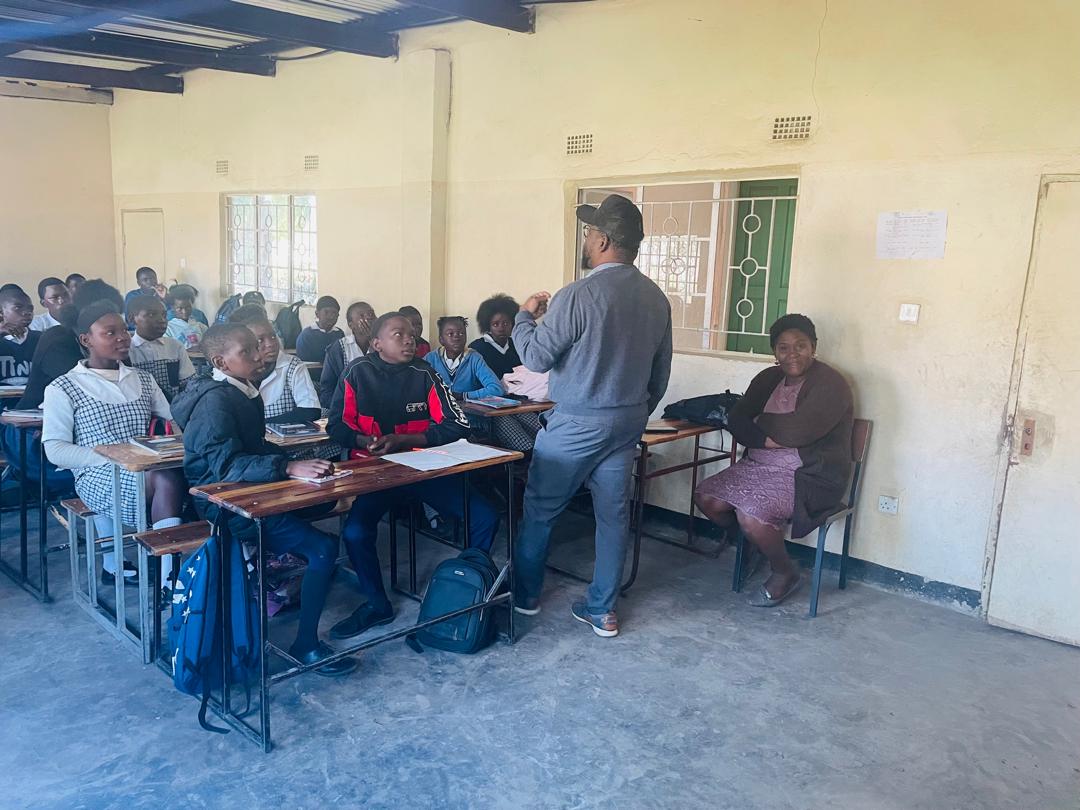

Throughout both visits, one thing stood out clearly – the visiting teachers’ genuine passion for education. Their enthusiasm to teach, encourage learners, and exchange ideas with local teachers was evident in every classroom they entered. They embraced every opportunity to interact with children, share stories from North Carolina, and learn new teaching approaches from their Zambian colleagues. Equally inspiring was the dedication of the teachers in our partner schools. Despite working with limited resources, they continue to create welcoming, positive, and engaging learning environments where every child has the opportunity to learn and grow. The visitors left with a renewed appreciation that quality education is not measured by the size of a classroom or the amount of equipment available, but by the commitment, creativity, and passion of the teachers who inspire children every day.
Although the visits lasted only a few days, the impact will be felt for many years to come. The learners gained confidence by interacting with teachers from another part of the world, while the visiting educators returned home with a deeper understanding of Zambian education, culture, and way of life. Both groups learnt from one another, proving that education is one of the most powerful ways to connect people across cultures. The friendships formed, the lessons shared, and the memories created will continue to inspire both the schools in Zambia and the teachers in North Carolina for years to come. We hope they returned home carrying wonderful memories, new friendships, and experiences that they will share with their own students for many years to come.
A heartfelt thank you goes to Go Global North Carolina and Lazy Lizard for making this incredible cultural exchange possible. We are equally grateful to every teacher who travelled to Zambia with open hearts, positive energy, and a genuine willingness to learn, teach, and serve. Your kindness, enthusiasm, and dedication made this an unforgettable experience for our learners, teachers, and communities. At CITW, we believe that learning has no borders. This special visit was a beautiful reminder that when people come together with open minds and a shared purpose, everyone learns, everyone grows, and friendships are built that can last a lifetime.