In early February, CITW Malawi’s Symon Chibaka facilitated a workshop at Central African Wilderness Safaris (CAWS) Mvuu Camp for YES Club youth, aimed at analysing the 2018 National Wildlife Policy of Malawi. These CITW youth are university graduates and working professionals who are developing a process on how best to get involved in the validation of Malawi’s various national environmental policies. Starting with analysis, their aim is to understand the strengths and weaknesses of the policy content and implementation practicability. Their notes from these exercises will form the basis of agendas for appointments with the relevant networks of policy advocates.
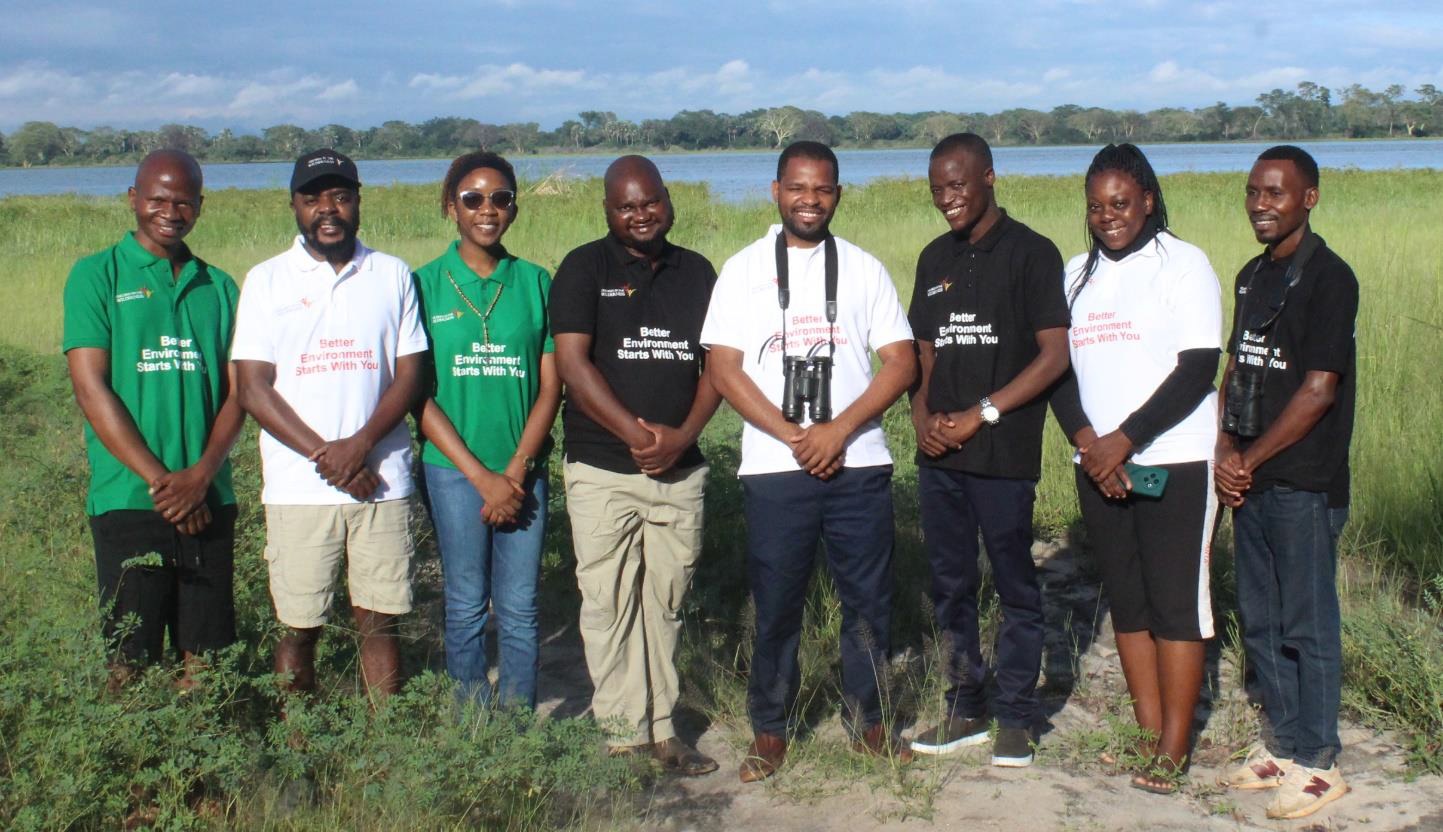
CITW youth workshop participants at CAWS Mvuu Camp, Liwonde National Park
The outcomes of the youth workshop included:
- Confirming the policy was up to date and practical
- Questioning the implementation options, as well as its strategy of collaborative management, and inclusion of local communities in achieving tangible sustainable conservation
The way forward included:
- Identifying relevant policy advocate networks, as well as private sector and Government officers
- Working on booking appointments and conducting guidance meetings
- Affirming their need to be identified, and accepted, as part of the policy advocates’ network
At this early stage of the formation of the CITW youth policy advocates, there are 10 members out of the 150 youth members at the same level and ambition. The 10 include renowned media journalists, secondary school teachers, and forestry and social workers.
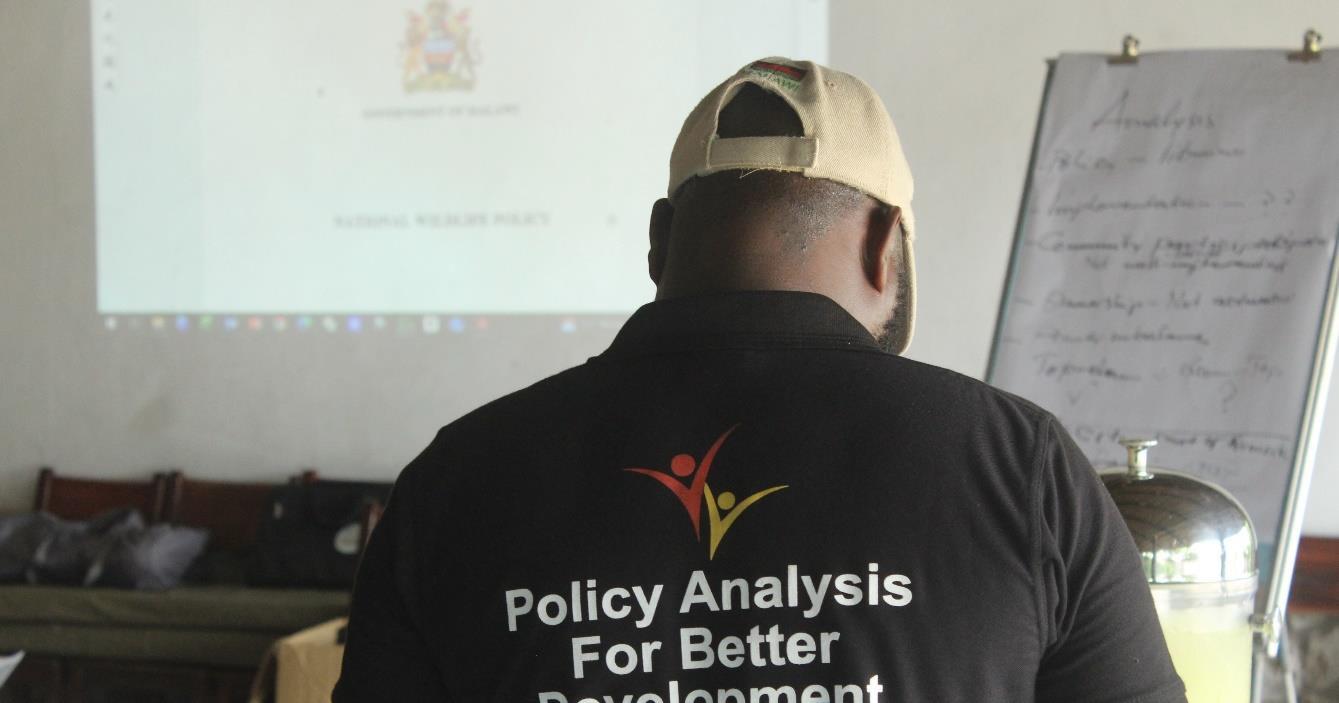
Analysing the National Wildlife Policy, CAWS Mvuu Environmental Education Center
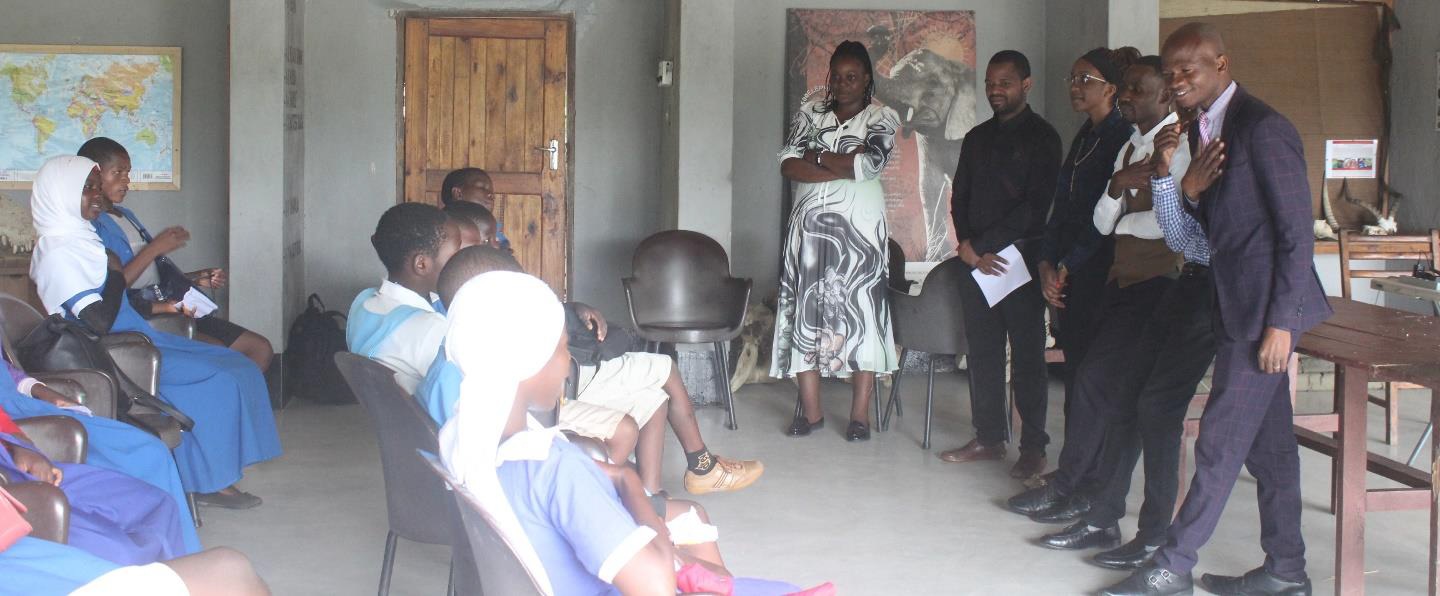
CITW youth workshop participants meet CITW Kafulafula Primary School Eco-Club members
During the second day of the workshop a transition occurred. As the youth workshop was winding up, Kafulafula Eco-Club arrived for their scheduled Eco-Club educational visit to Liwonde National Park, hosted by CAWS Mvuu Camp.
A 30-minute joint session ensued, where the youth took the chance to encourage the children to work hard in school and aim for the highest academic results possible, sharing their own histories and testimonies about their lives and achievements. The Eco-Club members also had the chance to learn from the youth about how they have managed their various challenges.
A number of children whose desired careers matched with those of the participating youth were given opportunities to chat with their role models.
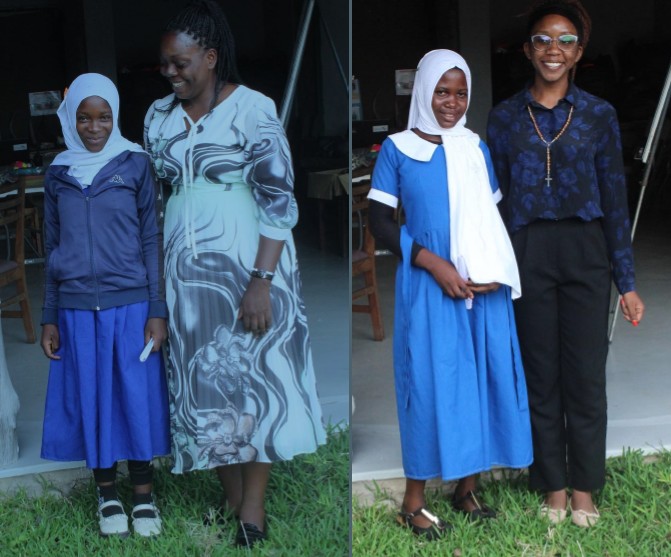
(Left) Maria Chirwa joined CITW in 2004. As a member, she became one of the first beneficiaries of the CITW/Rosemary Pencil Foundation (RPF) Scholarship programme. She graduated from Mzuzu University, and is employed by the Ministry of Education as a secondary school teacher. (Right) Olipa Kumwenda joined CITW in 2013. As a member who also needed support, she greatly benefitted from her CITW/RPF scholarship. She has since graduated from the University of Malawi as an economist with a focus on entrepreneurship.
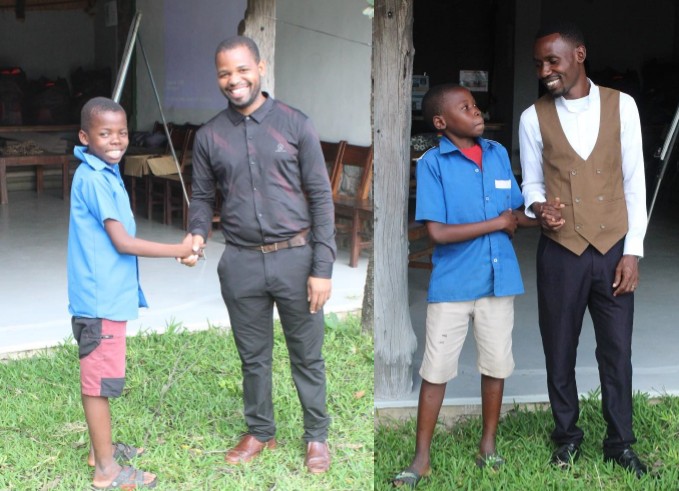
(Left) Eliot Felix joined CITW in 2010. He studied at the University of Malawi, and has been employed by the Ministry of Education as a secondary school teacher. (Right) Emmanuel Chirwa joined CITW in 2009. A graduate of the University of Malawi, he now works as a journalist for Malawi Times newspaper.
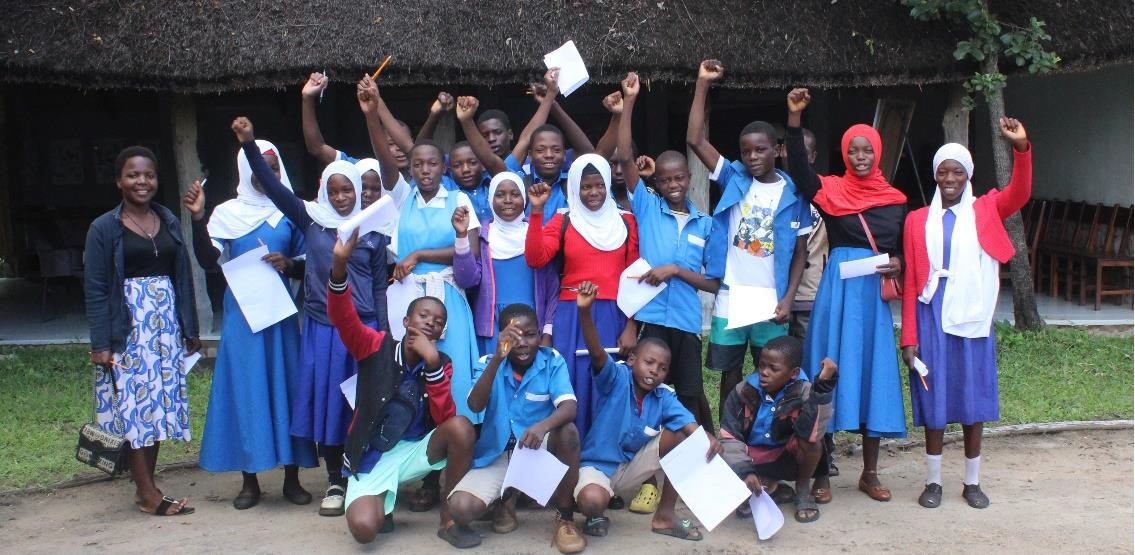
The 20 members of Kafulafula Primary School CITW Eco-Club
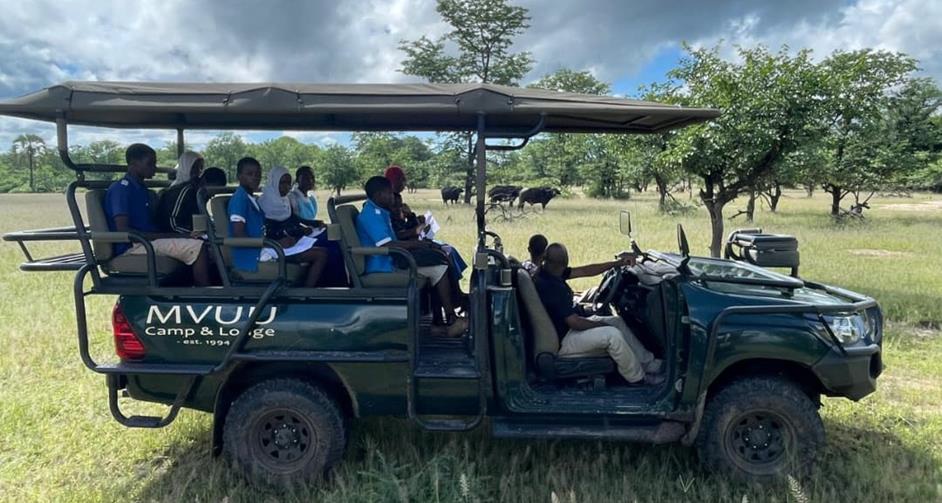
The Kafulafula children’s visit formed part of their Eco-Club curriculum (where each club has the chance to visit any environmental education centre every school term). These visits reinforce the children’s hands-on learning about wildlife and the environment.
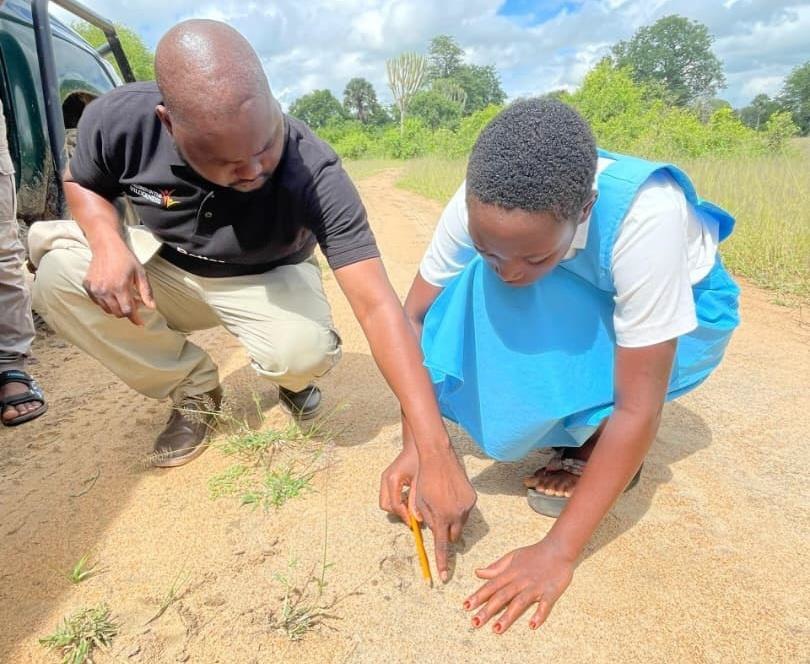
Chifundo Nyambalo is a former Eco-Club member from this same primary school. He now works for CAWS Mvuu as a Safari Guide (and is also trained as an Environmental Educator). Here he is pointing out, and helping an Eco-Club member to identify, the tracks of a lion.
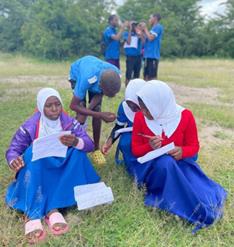
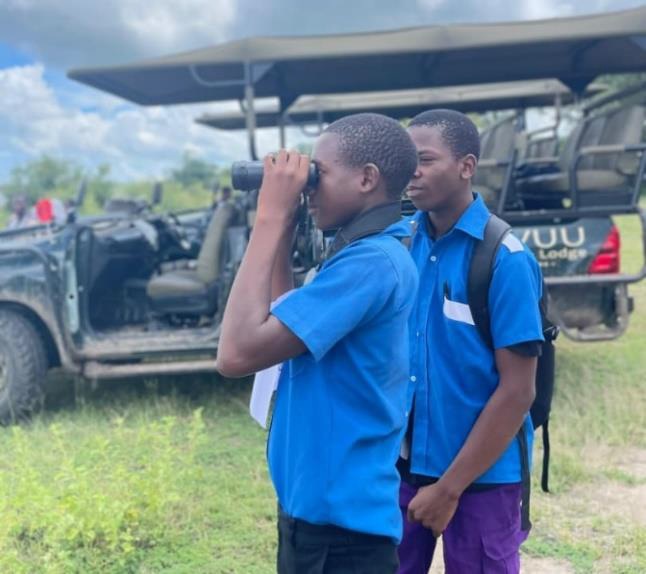
More lessons and discussions happening deep in the bush during a game drive
The CITW Malawi Eco-Club curriculum requires each Eco-Club member to choose ‘The Wildlife I love Most’. From here, they learn more about that specific species, and then broaden their learning on other wildlife species, and the interconnectedness of humans and this ‘wildlife of their hearts’. They take it on as a life project, and it expands as they advance.

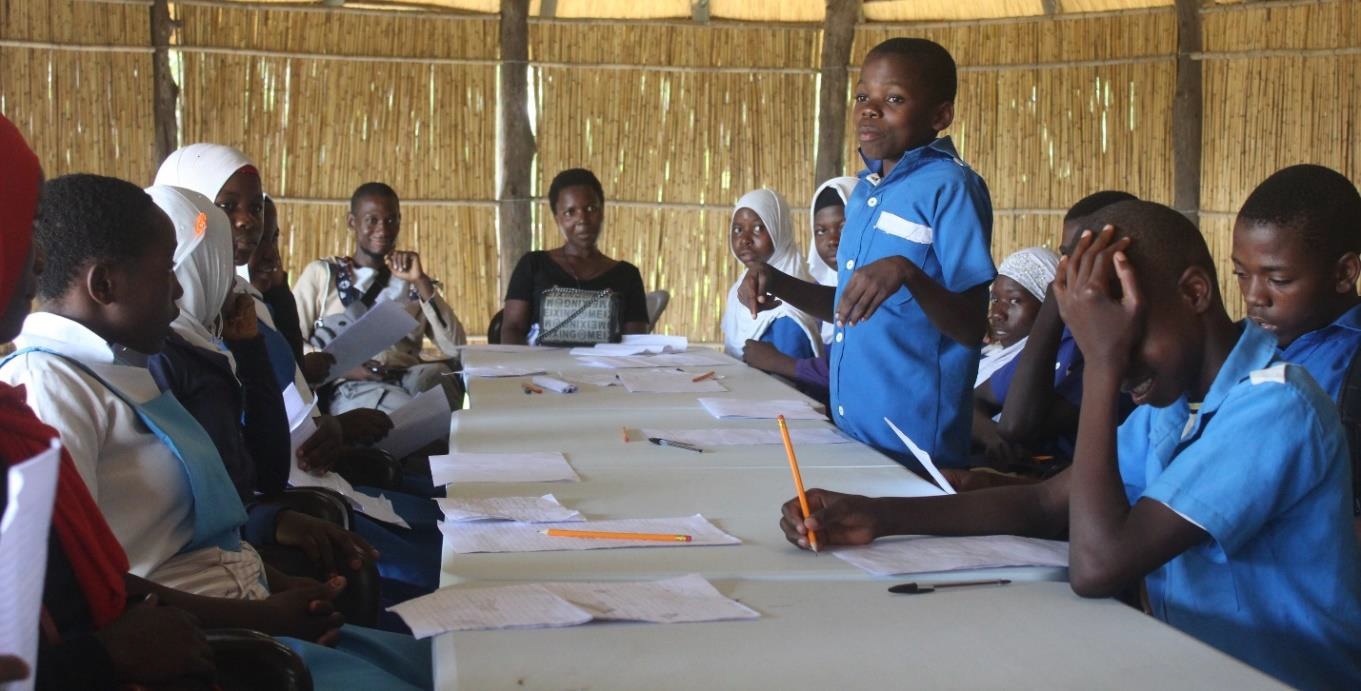
Presentation time
During the presentations, the children talk about how their projects are expanding, growing from simple understanding of the food chain, to the food web, to the web of life, to ecosystems, to conservation, and all the relevant areas in between (according to their learning capabilities in their education and life advancement).

Kafulafula Eco-Club group photo, CAWS Mvuu, Liwonde National Park
Compiled by Symon Chibaka – CITW National Programme Co-ordinator
22 February 2026