Menstrual Health & Hygiene Outreach | Chinotimba Primary School – August 12, 202
On the 12th of August 2025, Children in the Wilderness (CITW) Zambezi, in partnership with Pathways Foundation and Days for Girls International, carried out a life-changing reusable sanitary pad distribution at Chinotimba Primary School in Victoria Falls. This was more than a donation. It was a moment of dignity, a safe space of education, and a celebration of girlhood. Most importantly – it was about telling every young girl in that room:
“You matter. Your body matters”.
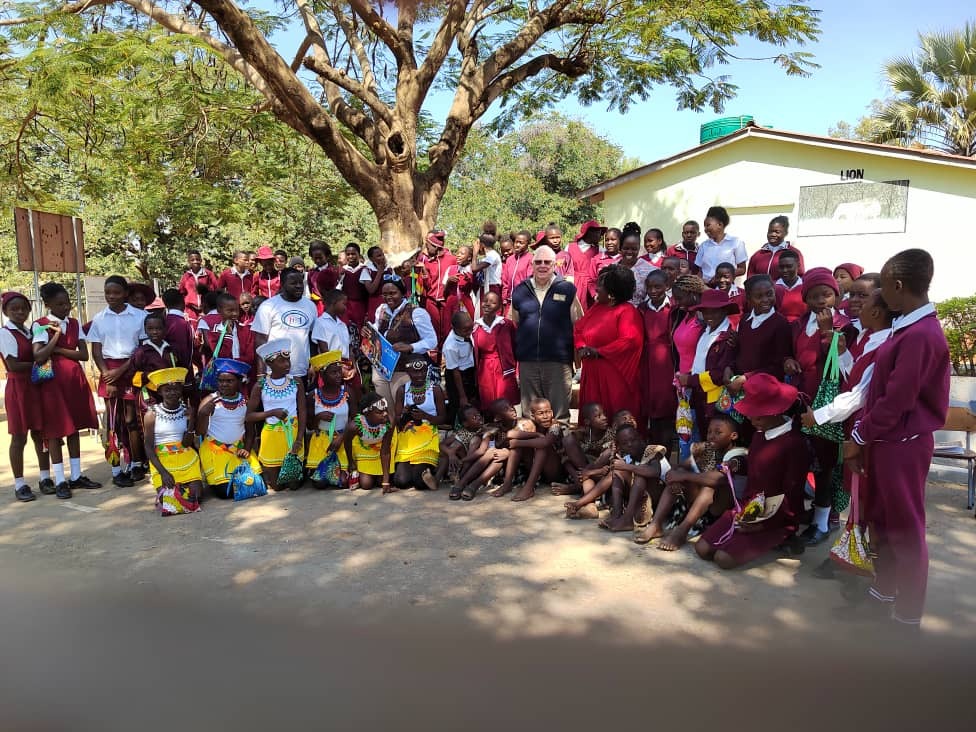
The day began at 9:00 am, as the students and guests gathered for the occasion. To set the tone, the school’s talented traditional dance team – made up of both boys and girls – performed a welcome dance that connected culture and community, reminding all present that young voices are at the centre of every conversation about the future.
Menstrual Health: Educating the Mind, Empowering the Girl
After the performance, the students engaged in a Menstrual Health and Hygiene session facilitated by CITW. The aim was to not only distribute pads, but to ensure that the girls understand their bodies, their menstrual cycles, and the power of being informed. The lesson began with a recap of the female reproductive system, focusing on parts and functions of the Uterus, ovaries, fallopian tubes, cervix and the vagina. Understanding each part was vital – not just for the knowledge, but for ownership of their own bodies. Students were invited to read aloud, ask questions, and engage freely. This boost the pupils’ confidence and reading and public speaking skills.

The lesson then focused on abstinence. There are many pressures girls may face as they enter puberty – per influence, media, curiosity – but they were reminded: “You are still a child. Your body is growing, and your time to explore intimacy will come later, not now”. The goal wasn’t fear – it was freedom: the freedom to focus on school, on self-esteem, and on building a life of choice and purpose. The girls were reminded that each of them has dreams worth protecting, and sometimes that begins with saying no, setting boundaries, and walking away from anything that could steal their focus. They were encouraged to focus more on their studies than anything else. “When you have your education, you are more likely to overcome the obstacles that stand between you and a healthy future”.
The students were grouped according to the four stages of the cycle: Bleeding, Formation, Ovulation, and Developing. To reinforce their memory, a fun exercise had them call out their group names as quickly as they could. This was a game – but beneath it, they were learning vital information about their health in a way that would stay with them.
Making the Menstrual Cycle Relatable
In the heart of the session, Lisa Dube from Pathways Foundation addressed the emotional and social realities that come with menstruation and puberty – topics many girls struggle to speak about, even in their own homes. Lisa’s approach was warm, honest, and gentle. She reminded the girls that they have a voice, a right to be heard, and a right to be protected. There was emphasis on how crucial it is for girls to communicate openly with their parents or guardians about menstruation. For many, this stage of life brings confusion, embarrassment, and at times fear and silence become the norm. She taught them: “Your first period isn’t something to hide. It’s a sign of growth, not shame”. The students were encouraged to start conversations with trusted adults, using clear and respectful language. She offered phrases and confidence-building tips on how to say, “I’ve started my period” or “I need help with sanitary supplies”. The message was clear: asking for help is not weakness – it’s strength.
The girls were given natural ways to ease painful periods (dysmenorrhea) – like a warm bath or placing a hot water bottle just below their belly button.
The most important part of Lisa’s message was also the hardest to hear – yet it was necessary and brave. She gently and firmly talked about sexual abuse and violence, teaching the girls what constitutes inappropriate touch or behaviour. That no one – not a stranger, not a friend, not even a family member – has the right to touch them without consent. That feeling unsafe or uncomfortable is always a sign to speak up and seek help. She stressed: “Your body is yours. And if anyone makes you feel unsafe – speak. Report it. You will be believed”. Girls were given safe reporting options and encouraged to reach out to teachers, guardians, or trusted female leaders when they feel something is wrong. The aim was to remove the shame that so often surrounds this topic, replacing it with courage and clarity. This part of the session was more than education it was protection. It was a shield. When a girl knows her worth, her voice, and her rights – she becomes her own advocate.
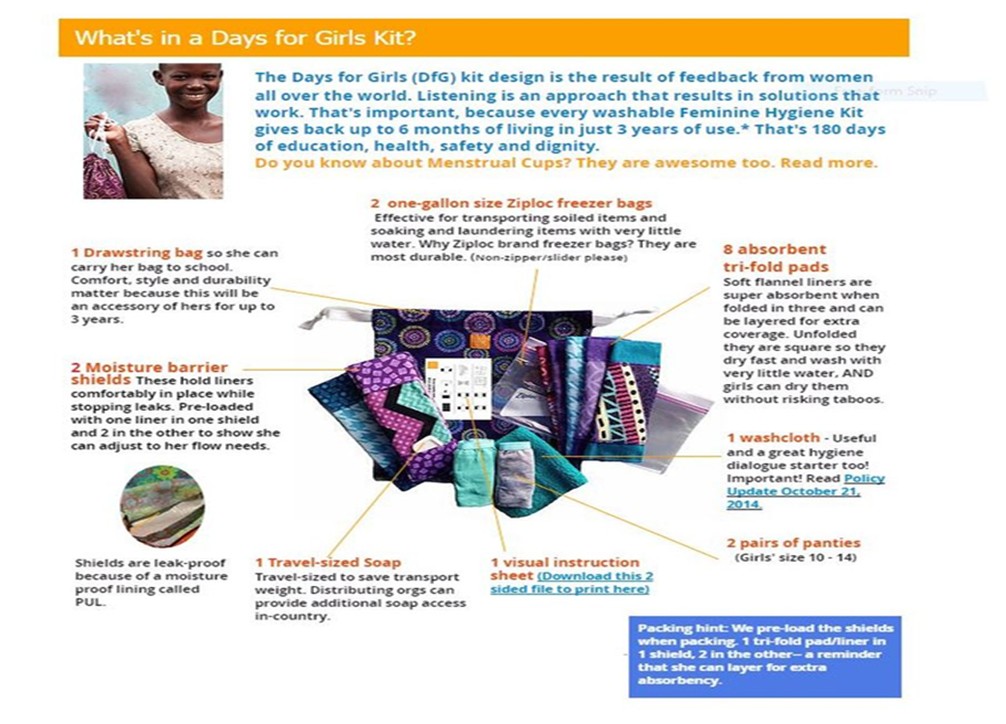
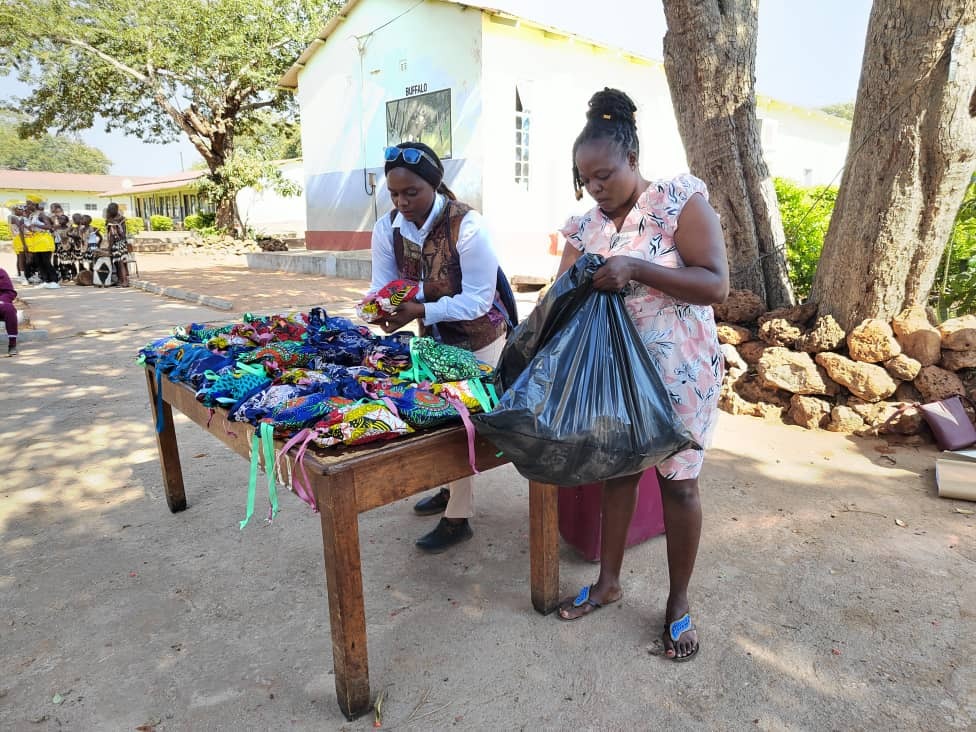
There was a demonstration on how to use the washable sanitary pads and there was emphasis on the importance of cleanliness and self-care. All 74 girls present received a Days for Girls washable sanitary pack, designed to last 3 to 4 years, helping keep girls in school, confident, and dignified. The packs are more than reusable pads; they are tools of freedom.
This distribution reminded everyone involved that a period should never be a reason to miss class, to feel ashamed, or to suffer in silence. As the partners left Chinotimba that morning, they didn’t just carry empty boxes. They carried the joy of girls who understood their power. The spark in their eyes. The laughter in their games. The boldness in their questions. This was not just a distribution.
This was a declaration: You are seen. You are valued. You are powerful!
By Sandra Kadzviti – CITW Zimbabwe